

Your April Garden Checklist for Santa Cruz County
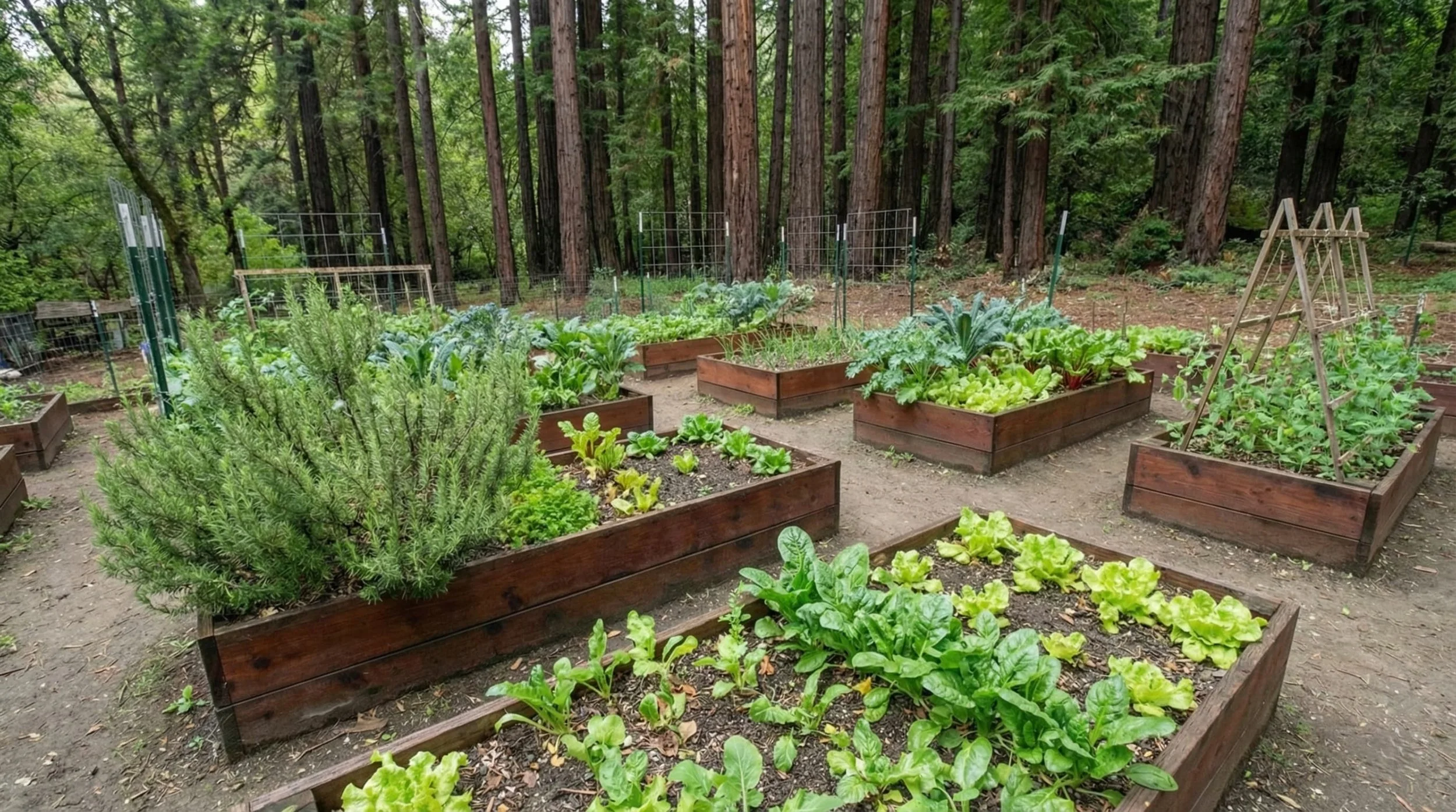
A few of the product links in this guide are affiliate links. If you buy through one, Ambitious Harvest may earn a small commission at no extra cost to you, which helps keep these guides free. We only point to gear we would use in our own Santa Cruz garden. As an Amazon Associate, we earn from qualifying purchases. Read our full disclosure.
April is transplant month in Santa Cruz County. Soil temperatures reach the mid-60s in most locations, nighttime lows stay above 45F along the coast, and the risk of frost is essentially zero below 1,000 feet. UC Master Gardeners of Monterey, San Benito and Santa Cruz Counties tie warm-season planting to temperature rather than the calendar, putting the growing-period average for crops like tomatoes, peppers, and squash at 65 to 80 degrees, and one of their advisors holds her transplants until May for healthier plants.
What to Plant in April
Transplant tomatoes, peppers, eggplant, and basil into the garden. Along the coast and the Westside of Santa Cruz, wait until mid-April and choose a sheltered, south-facing spot. Inland valley growers in Watsonville and Scotts Valley can transplant in early April with confidence. Mountain gardeners should wait until late April or early May, and use black plastic mulch to warm the soil.
Direct-sow summer squash (Costata Romanesco, Black Beauty zucchini), cucumbers (Marketmore 76, Lemon cucumber), and melons (Minnesota Midget, Ambrosia cantaloupe) in inland valleys. Coastal growers should start these indoors and transplant in May, since cool soil slows germination.
Plant corn (Golden Bantam, Peaches and Cream) in blocks of at least four rows for proper pollination. Succession-sow bush beans every two weeks for a continuous harvest. This is also the last good window to direct-sow carrots and beets before summer heat makes germination difficult.
What to Harvest in April
Peas are in full production. Pick snow peas and snap peas daily to keep the plants producing. Strawberries planted last month or last fall begin ripening. Fava beans are ready when pods are plump and leathery. Spring lettuce is at its prime before the longer days trigger bolting.
Artichokes produce their main crop this month, especially along the coast. Cut the central bud first, then harvest side buds as they develop.
What to Maintain and Protect
Set up tomato cages or stakes at planting time, not after the plants are sprawling. It is much easier on both you and the plant. Install drip irrigation for summer beds now, before the root systems establish around poorly placed emitters.
Side-dress heavy feeders (tomatoes, peppers, squash) with a balanced organic fertilizer or compost tea every three to four weeks through the growing season.
Thin fruit on apple, pear, and stone fruit trees if you see heavy set. The natural "June drop" typically occurs in May and June, even in coastal California, so hand-thin now for the best results rather than waiting. UC ANR recommends thinning to one fruit every 6 to 8 inches on branches to improve fruit size and prevent limb breakage.
Mulch everything. A 3-inch layer of straw or wood chips conserves moisture, suppresses weeds, and keeps soil temperatures stable.
What to Watch Out For
Tomato hornworms are not active yet, but their relative, the cabbage looper, is laying eggs on brassica crops now. Check the undersides of leaves for small white or yellowish eggs and remove them by hand. Bt (Bacillus thuringiensis) is an effective organic spray for active caterpillars, according to UC IPM.
Aphids build up quickly on new growth. Look for curled leaves, sticky honeydew, and clusters of green or black insects on stems. Ladybugs and lacewings are the best long-term control. If you must spray, use insecticidal soap and target the aphids directly.
Powdery mildew appears on squash family seedlings in foggy coastal areas. Space plants widely for air circulation.
This month: Get your tomatoes and peppers in the ground with cages, drip irrigation, and mulch all in place at planting time. A strong start now means weeks of extra harvest later.
For more help with growing tomatoes, check out our free Tomato Growing MasterKit at Your Garden Toolkit.
Keep Reading
- How to Grow Tomatoes in Santa Cruz County
- Drip Irrigation Setup for California Vegetable Gardens
- Growing Artichokes on the California Coast
- Companion Planting Guide for California Gardens
Frequently Asked Questions
Is it safe to transplant tomatoes outdoors in April here?
It depends on your location. Inland valley gardeners in places like Watsonville and Scotts Valley can transplant in early April, coastal gardeners should wait until mid-April in protected spots, and mountain growers are better off waiting until late April or early May.
What can I direct-sow in April?
Inland gardeners can direct-sow summer squash, cucumbers, and melons, while coastal gardeners are better off starting those indoors for May because of cool soil. April is also the last good window to direct-sow carrots and beets before summer heat sets in.
What maintenance tasks matter most this month?
Put supports and drip irrigation in place at planting time rather than later, feed heavy feeders with a balanced fertilizer every three to four weeks, and add about a 3 inch layer of mulch. Keep an eye out for aphids on new growth and powdery mildew on coastal squash.
