

Growing Mandarins and Satsumas in Santa Cruz County
A few of the product links in this guide are affiliate links. If you buy through one, Ambitious Harvest may earn a small commission at no extra cost to you, which helps keep these guides free. We only point to gear we would use in our own Santa Cruz garden. As an Amazon Associate, we earn from Read our full disclosure.
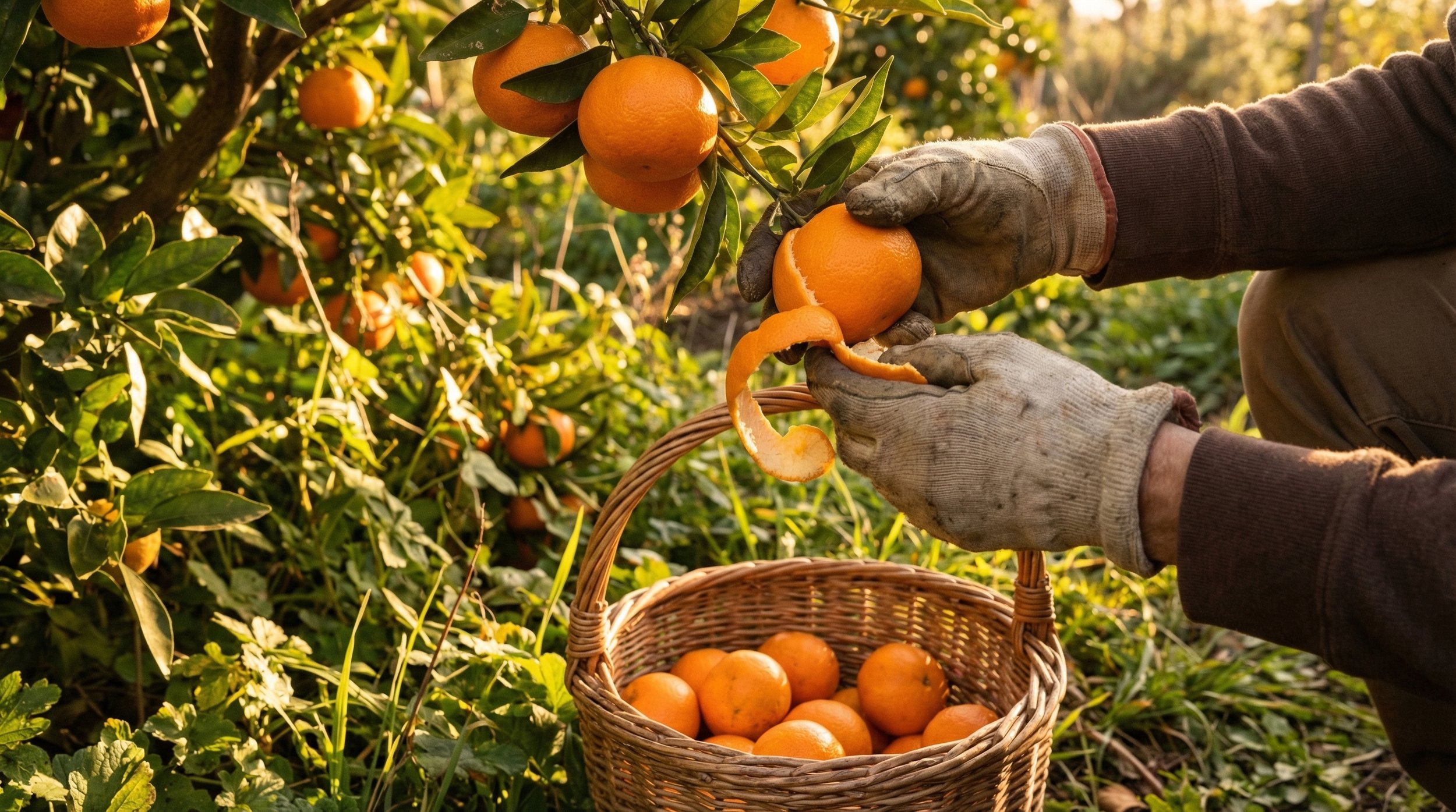
If you want citrus you can peel and eat fresh, mandarins and Satsumas are your best options for Santa Cruz County. Unlike oranges that often disappoint in our cool climate, cold-hardy mandarin varieties produce sweet, seedless fruit even in gardens where summer temperatures rarely climb above 80°F. The key is choosing the right variety for your microclimate and understanding that not all mandarins are created equal when it comes to cold tolerance and heat requirements.
Why Satsumas Succeed Where Other Mandarins Struggle
Satsuma mandarins stand apart from other mandarin varieties because of their exceptional cold hardiness and early ripening. Satsumas are early ripening and very cold hardy, tolerating temperatures down to 20°F when mature. This makes them the most reliable mandarin for Santa Cruz County's frost-prone areas.
Satsumas also need less summer heat than other mandarins to develop sweetness, making them suitable for coastal gardens where Clementines and other mandarins would produce bland fruit. The trade-off is that Satsuma fruit doesn't hold well on the tree once ripe; you need to harvest within a few weeks of peak ripeness.
Best Mandarin Varieties for Santa Cruz County
Satsuma (Owari and related cultivars)
Cold hardiness: 20°F (most cold-hardy mandarin)
Harvest: December through April
Best for: All Santa Cruz microclimates except heavily shaded areas
Notes: Seedless, easy to peel. Rind may still be green when fruit is sweet. Fruit doesn't hold on tree long.
Clementine
Cold hardiness: 24°F
Harvest: January through March
Best for: Warmer inland locations and Watsonville area
Notes: Needs more heat than Satsuma for best flavor. Classic holiday mandarin.
Page and Shasta Gold
Cold hardiness: 24°F
Harvest: January through May
Best for: Warmest microclimates only
Notes: Fruit holds well on tree. Try only in Watsonville or against warm walls.
Tangelos (Minneola)
Cold hardiness: 24°F
Harvest: January through March
Best for: Warmest microclimates
Notes: Tangerine-grapefruit cross. Distinctive neck. May benefit from pollinizer variety nearby.
Where Mandarins Work Best
Coastal Fog Belt: Satsumas are your best (and possibly only) option. The early ripening and low heat requirements match our foggy conditions. Plant in the sunniest, most protected spot available.
San Lorenzo Valley: Satsumas excel here, with the additional summer warmth producing sweeter fruit than coastal locations. Frost protection is important, but cold-hardy Satsumas can handle typical valley winters.
Inland Valleys: Both Satsumas and Clementines can succeed. The warmer conditions allow experimenting with varieties that need more heat.
Watsonville Area: The widest variety selection is possible here. Satsumas, Clementines, and other mandarins can all produce quality fruit in protected locations.
When and How Should You Plant and Care?
Mandarin care follows general citrus principles with a few specific considerations.
Site selection: Choose the warmest, most protected spot in your garden. South-facing walls provide radiant heat that helps fruit ripen and protects from frost. Citrus trees need plenty of sun and protection from wind.
Planting: Dig a hole twice as wide as the root ball but only as deep. Don't amend the planting hole. Keep the graft union above soil level. Water thoroughly after planting.
Watering: Deep, infrequent watering once established. Water weekly for young trees during dry weather, reducing to every 2-4 weeks for mature trees with slow, deep soaking.
Fertilizing: Apply citrus fertilizer in March, May, and August for established trees. Include iron supplements if you notice yellowing leaves with green veins.
Pruning: Minimal pruning required. Remove dead, damaged, or crossing branches. Maintain good air circulation. Remove branches that touch the ground to control snails.
Harvest Timing
Mandarin harvest timing in Santa Cruz differs from warmer regions because our cooler temperatures slow ripening.
Don't rely on color:The rind may still be green when fruit is ready to eat for Satsumas. Color is not a good guide to ripeness; orange color is a response to cold nights rather than sugar content.
Taste test:The only way to really know if your citrus is sweet enough is to taste one. Pick a sample fruit when size seems appropriate and the rind is loose.
Satsuma timing: Harvest December through April depending on variety and microclimate. Fruit does not hold well on tree, so pick within 2-3 weeks of ripeness.
Other mandarins: Most other mandarins hold better on the tree than Satsumas, giving you more flexibility in harvest timing.
Frost Protection for Mandarins
Even cold-hardy Satsumas benefit from protection during hard freezes, especially when young.
Satsuma cold hardiness:Mature mandarin trees can tolerate temperatures down to 20°F for 4 hours before serious damage occurs to the wood. However, fruit and leaves are damaged at higher temperatures.
Other mandarins: Clementines and most other mandarins tolerate only 24°F, so they need protection in more situations.
Protection methods:
Water thoroughly before freeze events
Cover with frost cloth, securing at ground level
Use incandescent lights for radiant heat
Harvest ripe fruit before hard freezes
Frequently Asked Questions
What's the difference between a Satsuma and a Clementine?
Satsumas are the most cold-hardy mandarin (20°F tolerance), ripen earliest (December-April), and need less heat for sweetness. Clementines need more warmth, are less cold-hardy (24°F), and produce the classic holiday mandarin. In Santa Cruz, Satsumas are more reliable for most locations.
Why is my mandarin fruit dry and pithy?
Fruit left on the tree too long becomes dry and loses flavor. Satsumas especially don't hold well once ripe. Taste test regularly and harvest promptly when sweet.
Can I grow mandarins in the fog belt?
Satsumas can succeed in protected, sunny spots in the fog belt. Other mandarins generally need more heat than coastal areas provide and will produce bland fruit.
Why does my Satsuma have green skin but tastes sweet?
This is normal for Satsumas. Orange color develops in response to cold nights, not sugar content. Taste test to determine ripeness rather than relying on color.
Do mandarin trees need a pollinizer?
Most mandarins are self-fertile and don't need a pollinizer. Seedless if grown without a cross-pollinizer. Some tangelos may benefit from a related variety nearby for better production.
How long until my mandarin tree produces fruit?
Expect meaningful harvests starting in year 3-5. Young trees may produce a few fruit earlier, but quality and quantity improve with age.
