

Gardening in Coastal Aptos & Capitola: Working with Fog and Stable Temperatures
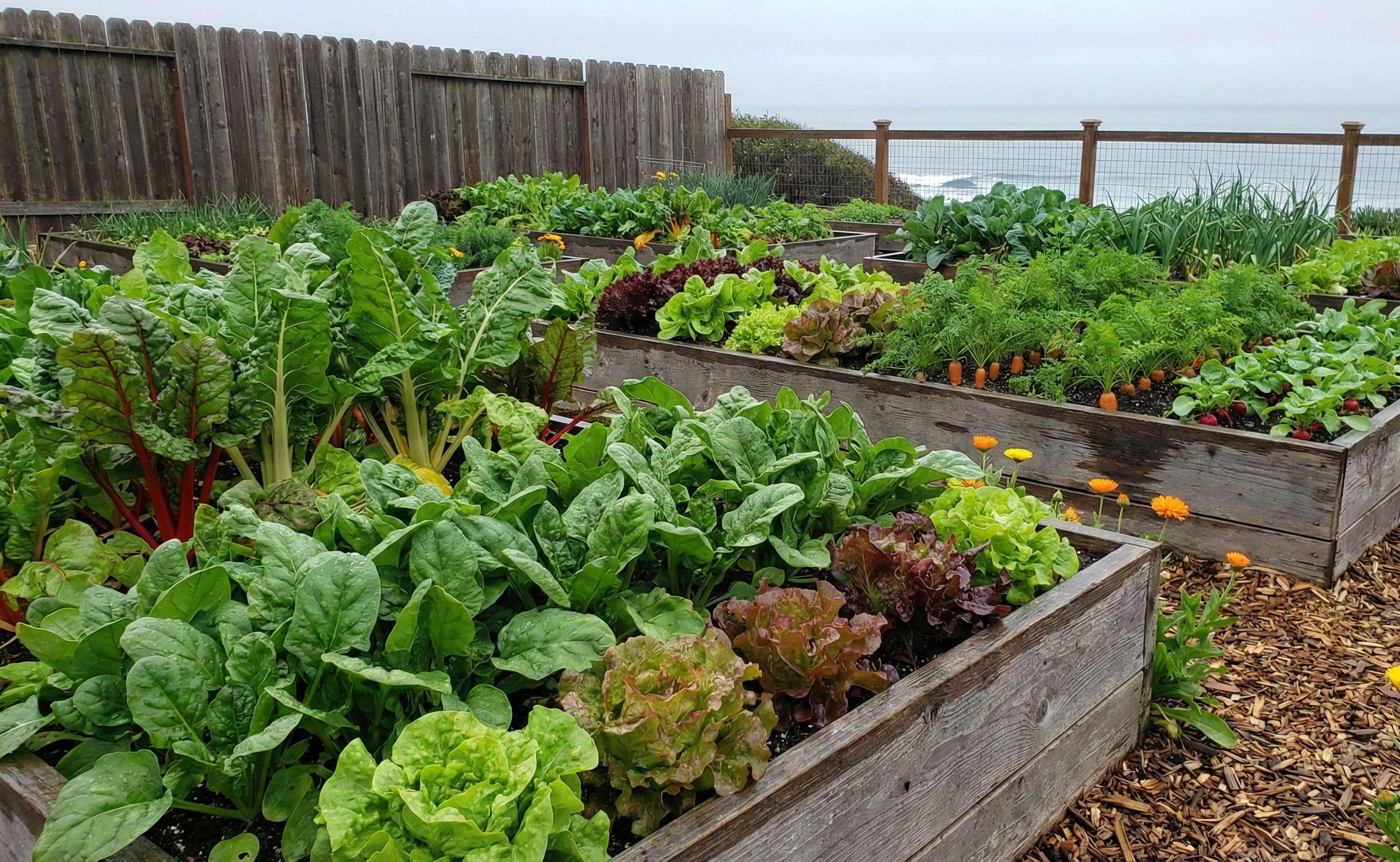
If you live in Aptos, Capitola, Live Oak, or along the Santa Cruz beaches, you've probably noticed something: your garden is nothing like what gardening books describe.
Your tomatoes don't explode with growth in June. Your lettuce doesn't bolt in July. You rarely see 90-degree days, and frost is almost unheard of. The marine layer rolls in most summer mornings, and temperatures stay remarkably stable year-round.
This isn't a limitation - it's a superpower. Coastal Santa Cruz County has some of the most reliable, predictable growing conditions anywhere. You just need to work with them, not against them.
What Makes Coastal Gardening Unique
Temperature Stability
Summer: 60s-70s (rarely hits 80s)
Winter: 50s-60s (rarely below 45°F)
Day/night swings: Small (10-15°F)
Frost: Minimal to none (maybe once a decade)
The Marine Layer
Daily to near-daily summer fog
Burns off by afternoon (usually)
Keeps temperatures cool and stable
Provides moisture/humidity
Limits heat accumulation
Growing Season
Year-round for cool-season crops
Shorter warm-season window (June-October)
No true dormancy
Predictable, steady growth
Other Characteristics
Salt air exposure (varies by proximity to ocean)
Moderate rainfall (25-30" annually)
Sandy to loamy soils (often well-draining)
Consistent onshore winds
What Thrives in Coastal Conditions
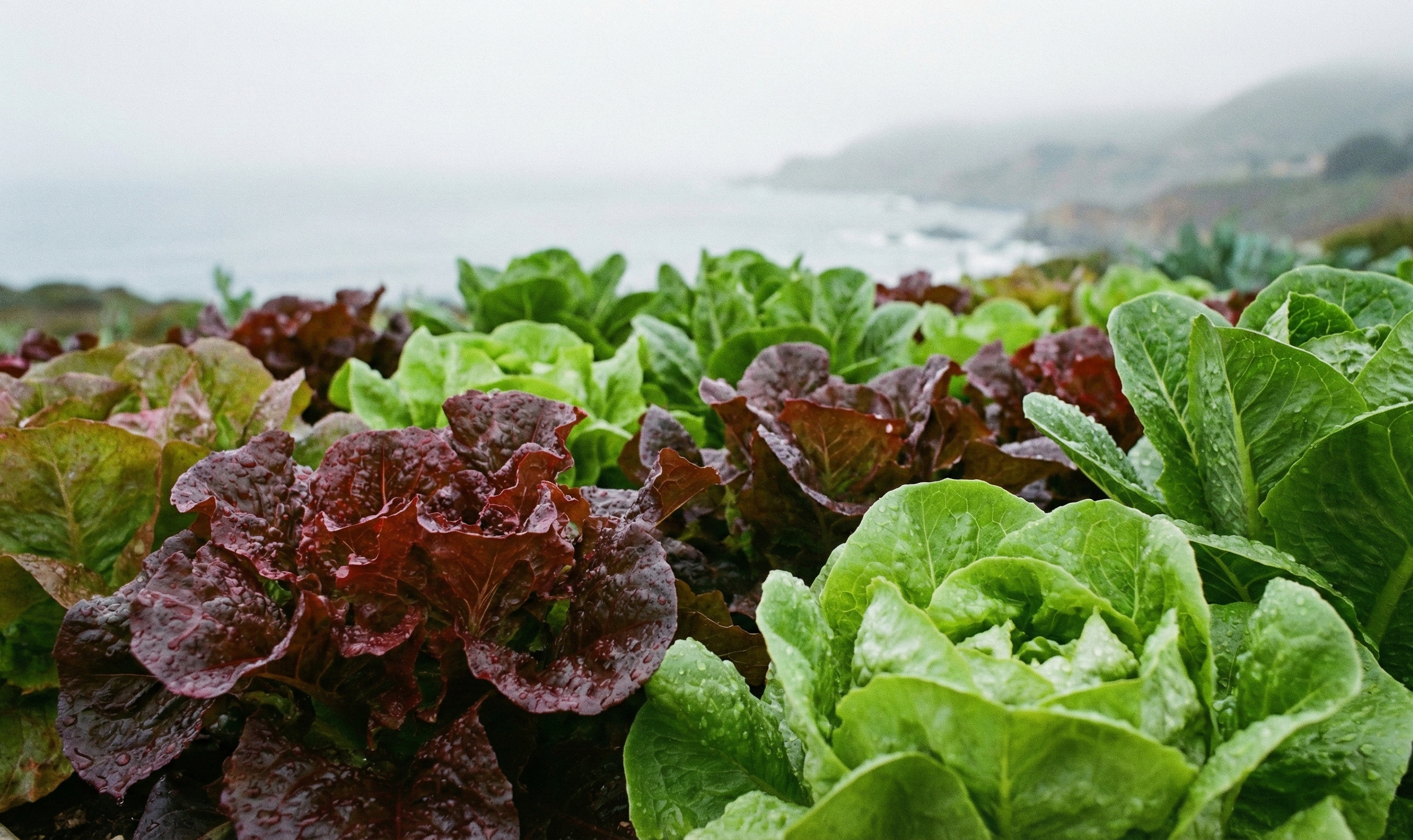
Cool-Season Crops (Your Specialty!)
You can grow these nearly YEAR-ROUND:
Lettuce & Salad Greens
Grows fast and stays sweet
Rarely bolts (your cool temps prevent it)
Can plant spring through fall
Winter production excellent
Try: 'Buttercrunch', 'Red Sails', 'Merlot', 'Tom Thumb'
Brassicas (Broccoli, Cauliflower, Cabbage, Kale)
Love your stable, cool conditions
Fall-planted brassicas produce all winter
Spring-planted produce before heat arrives (which barely does)
Excellent quality and flavor
Try: 'DiCicco' broccoli, 'Snow Crown' cauliflower, 'Lacinato' kale
Spinach & Chard
Grow year-round with succession planting
Slow to bolt compared to inland areas
Steady, reliable production
Try: 'Space' spinach, 'Bright Lights' chard
Asian Greens
Bok choy, tatsoi, mizuna all thrive
Love cool, moist conditions
Quick-growing
Try: 'Joi Choi' bok choy, 'Red Kingdom' mizuna
Peas
Spring AND fall crops possible
Cool weather = sweet peas
Snap, snow, and shelling varieties all work
Try: 'Sugar Snap', 'Oregon Giant' snow pea
Root Vegetables
Carrots, beets, radishes, turnips
Grow steadily in your conditions
Sweet flavor from cool temps
Try: 'Scarlet Nantes' carrot, 'Detroit Dark Red' beet
Perennial Crops That Love Coastal Conditions
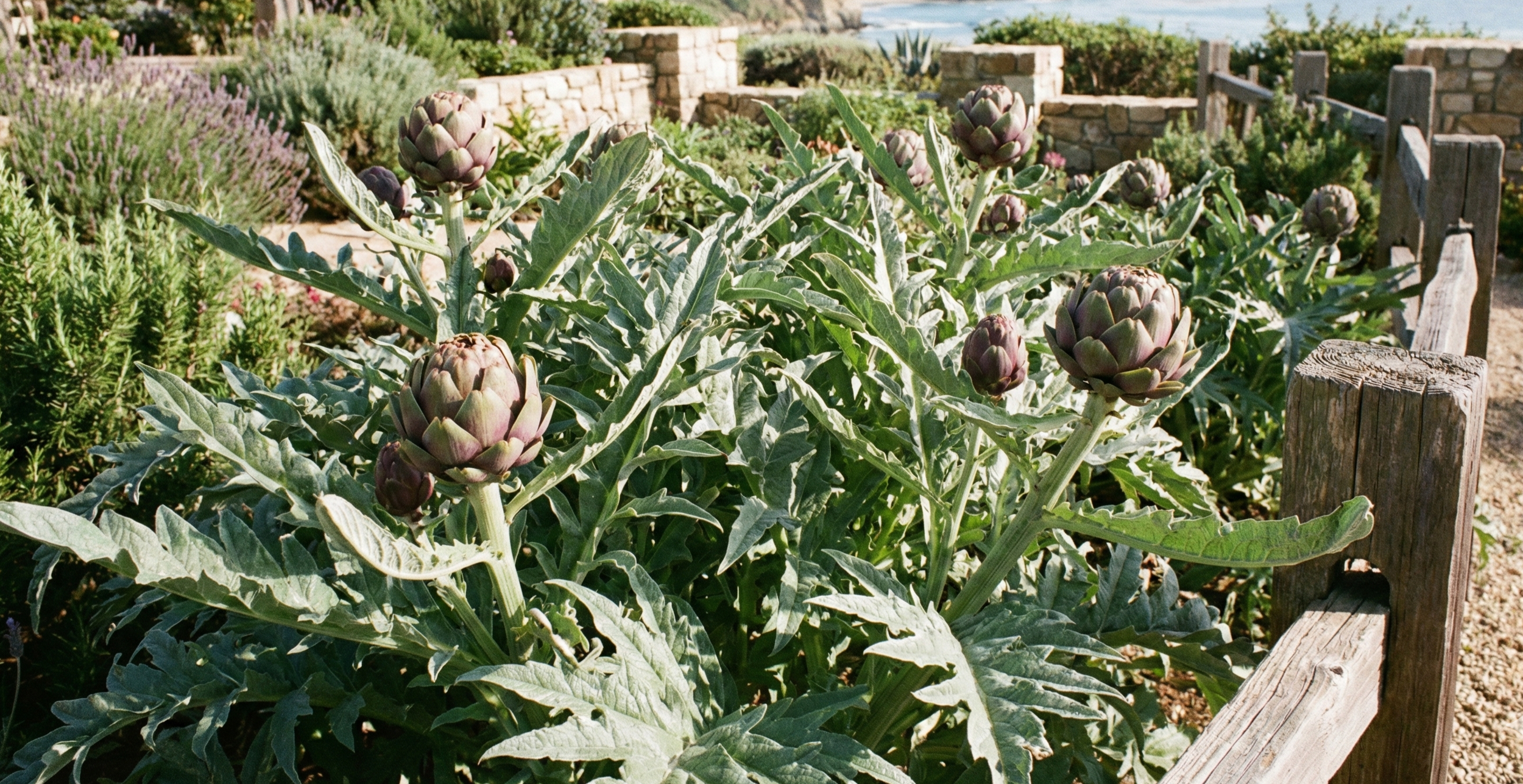
Artichokes
THRIVE in coastal conditions (commercial production in area)
Perennial with year-round foliage
Cool summers = perfect for production
Try: 'Green Globe', 'Imperial Star'
Strawberries
Commercial production in area for a reason
Plant September-November for spring production
Can produce nearly year-round with right varieties
Try: 'Albion' (everbearing), 'Seascape', 'Chandler'
Rhubarb
Loves cool coastal climate
Perennial, low maintenance
Try: 'Victoria', 'Crimson Red'
Herbs (perennial)
Rosemary (thrives year-round)
Thyme (all varieties)
Sage (excellent)
Oregano (good)
Chives (perennial, easy)
Warm-Season Crops (Choose Carefully!)
You CAN grow these, but variety selection is critical:
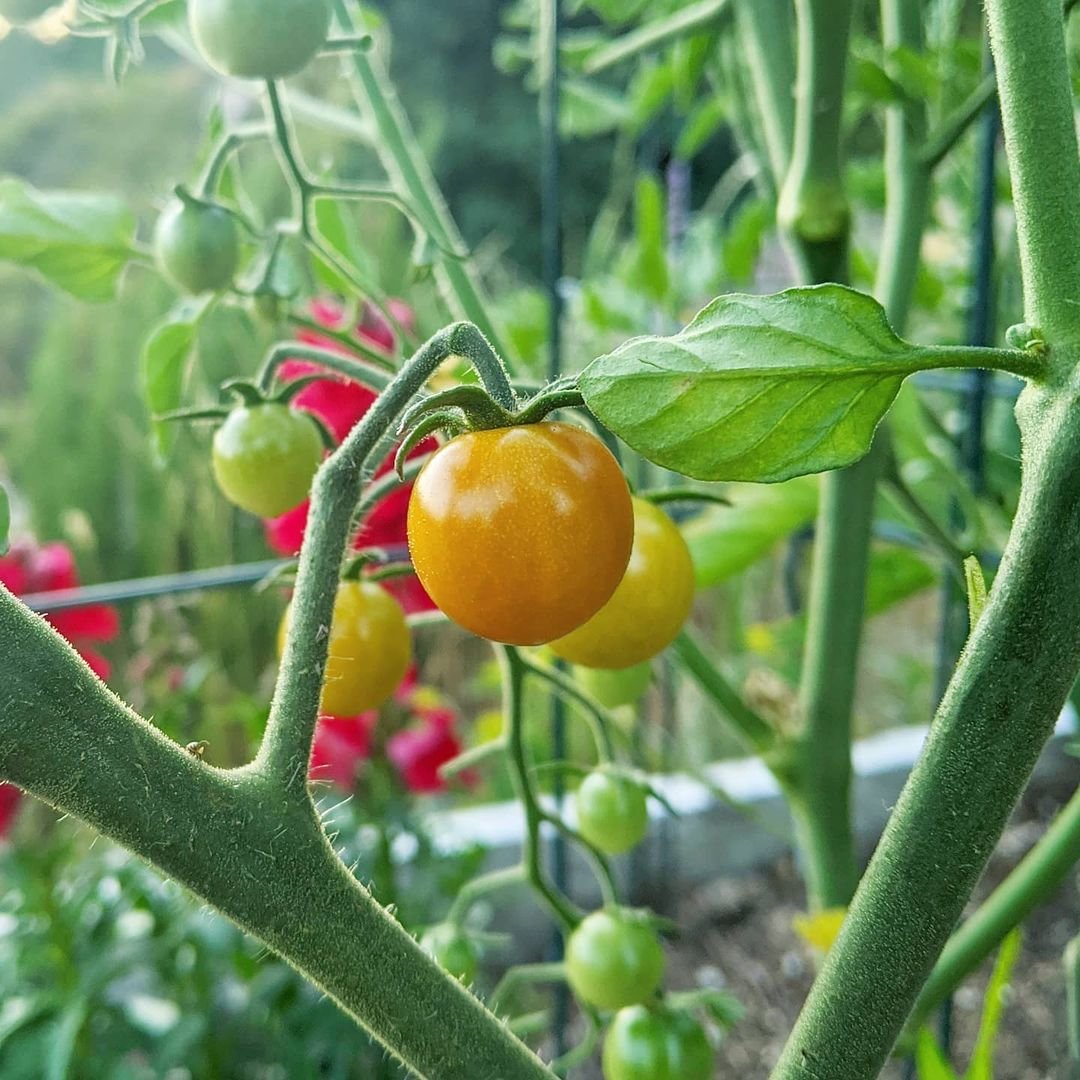
Tomatoes (Fog-Tolerant Varieties) These are bred for coastal/cool conditions:
'Early Girl' - the coastal standard, reliable
'Stupice' - Czechoslovakian heirloom, cold-tolerant
'San Francisco Fog' - literally bred for fog
'Oregon Spring' - cool-summer variety
'Sungold' - cherry, produces in any conditions
'Fourth of July' - fast-maturing (55 days)
What to avoid:
Long-season heirlooms (not enough heat/time)
Heat-loving varieties (won't thrive)
Beefsteak types that need 80+ days
Growing strategy:
Plant April-May (after marine layer lightens)
Choose determinate or early indeterminate varieties
Accept that production won't match inland areas
Harvest through October (sometimes November)
Beans
Bush and pole varieties work well
Succession plant May-July
Steady production through fall
Try: 'Provider' bush, 'Blue Lake' pole
Summer Squash & Zucchini
Grow fine in coastal conditions
Not as explosive as inland but reliable
Plant May-June
Try: 'Romanesco', 'Cocozelle'
Cucumbers
Possible but slower than inland
Choose short-season varieties
Plant late May-June
Try: 'Marketmore', 'Lemon' cucumber
Berries
Strawberries (excellent - see above)
Blueberries (need acidic soil amendment)
Raspberries (good, especially fall-bearing)
Blackberries (vigorous, can be invasive)
What Struggles in Coastal Areas
Heat-Loving Crops
Melons (insufficient heat, long season)
Eggplant (needs more heat than you have)
Hot peppers (slow, small production)
Sweet peppers (possible but underwhelming)
Okra (no - too cool)
Long-Season Crops
80+ day tomatoes (won't ripen before cool weather)
Winter squash (some work, but slower than inland)
Pumpkins (plant early May for October harvest)
Your Coastal Growing Calendar
January-March: Cool-Season Heaven
Direct seed: lettuce, greens, peas, carrots, beets, radishes
Transplant: broccoli, cauliflower, cabbage, kale
Harvest: winter greens, brassicas, root vegetables
Start indoors: tomato seeds (February-March)
April-May: Transition Season
Continue: cool-season planting (lettuce, greens)
Start: warm-season planting
Transplant: tomatoes (late April-May), peppers (May)
Direct seed: beans, squash, cucumbers (late May)
Harvest: spring crops, early strawberries
June-August: Foggy Summer
Direct seed: beans (succession plant), lettuce (yes, summer lettuce!)
Transplant: basil, late tomatoes (early June only)
Harvest: tomatoes starting, summer squash, beans, greens
Maintain: water deeply 2-3x week, watch for slug damage
September-October: Extended Season
Direct seed: cool-season crops for fall/winter
Transplant: fall brassicas (if started in July/August)
Harvest: late tomatoes, summer crops winding down
Start: fall/winter garden planning
November-December: Mild Winter
Direct seed: greens, peas, fava beans
Transplant: cool-season starts, strawberries
Harvest: winter greens, brassicas, root vegetables
Maintain: less watering (winter rains), clean up
Coastal Growing Strategies
Embrace Your Advantages
Year-round cool-season growing: You can plant lettuce and greens when inland gardeners can't (summer!). Take advantage of this. Succession plant greens every 2-3 weeks from March through September.
Stable temperatures: Your 10-15°F daily temperature swing (vs. 30°F inland) means predictable, steady growth. Plants aren't stressed by extreme fluctuations.
Extended spring and fall: Your "shoulder seasons" are longer than inland. Cool-season crops produce well into summer and start producing earlier in fall.
Frost-free: You almost never frost. This means year-round growing for hardy crops and less worry about frost protection.
Work With Your Limitations
Choose appropriate varieties: Don't fight your climate. If a variety needs 85 days and hot temps, skip it. Choose cool-summer, fog-tolerant, early-maturing varieties.
Accept different harvest timing: Your tomatoes will ripen later than inland areas. That's okay - they'll also produce later (through October).
Focus on what thrives: Put your energy into crops that LOVE coastal conditions: greens, brassicas, artichokes, strawberries, peas. Don't waste time on crops that struggle.
Manage the marine layer:
Plant warm-season crops in sunniest spots
South and west-facing locations warm fastest
Against buildings/walls for heat reflection
Avoid low spots where fog settles longest
Soil Management for Coastal Gardens
Common coastal soil types:
Sandy (well-draining, low nutrients)
Sandy loam (better, but still needs amendment)
Amendments needed:
Compost (annually, 2-4 inches)
Organic matter (sandy soil needs it)
Slow-release fertilizers for long-season crops
pH: Usually 6.0-7.0 (good for most vegetables)
Salt considerations: If very close to ocean (within 1/4 mile):
Salt spray can damage tender plants
Windbreaks help
Rinse foliage occasionally
Choose salt-tolerant varieties
Pest & Disease in Coastal Areas
Slugs & Snails: Your cool, moist conditions = slug heaven
Beer traps work
Diatomaceous earth around plants
Hand-pick at night
Copper barriers
Aphids: Common, especially on brassicas
Spray off with water
Beneficial insects (ladybugs, lacewings)
Insecticidal soap if severe
Powdery Mildew: Humidity + cool temps = PM risk
Space plants for air flow
Water at soil level (not overhead)
Sulfur spray preventatively
What you DON'T deal with:
Less heat stress than inland
Less extreme pest pressure from heat
Minimal frost damage
Recommended Varieties for Coastal Gardening
Tomatoes (Your Biggest Decision)
Best choices:
'Early Girl' (52 days) - the standard
'Stupice' (52 days) - cold-tolerant
'San Francisco Fog' (65 days) - bred for you!
'Sungold' (57 days) - cherry, always produces
'Fourth of July' (49 days) - fast!
Good choices:
'Oregon Spring' (60 days)
'Glacier' (55 days)
'Sophie's Choice' (70 days)
Skip these:
'Brandywine' (80+ days - too long)
'Cherokee Purple' (80+ days)
'Big Beef' (needs more heat)
Lettuce (Anything Works!)
'Buttercrunch' - reliable
'Red Sails' - beautiful, easy
'Tom Thumb' - compact
'Merlot' - red, bolt-resistant
'Flashy Trout Back' - romaine type
Brassicas
'DiCicco' broccoli - early
'Snow Crown' cauliflower - reliable
'Lacinato' kale - Tuscan type
'Red Russian' kale - cold-hardy
'Early Jersey Wakefield' cabbage
Beans
'Provider' - bush, reliable
'Blue Lake' - pole, classic
'Purple Queen' - bush, purple
Making the Most of Coastal Growing
Your best crops:
Lettuce and salad greens (year-round!)
Brassicas (broccoli, cauliflower, kale, cabbage)
Artichokes (perennial, low-maintenance)
Strawberries (plant fall, harvest spring)
Peas (spring and fall)
Root vegetables (carrots, beets, radishes)
Your good crops with right varieties:
Tomatoes (early, fog-tolerant types)
Beans (bush and pole)
Summer squash
Cucumbers (short-season varieties)
Herbs (most types)
Skip these:
Melons (not enough heat)
Eggplant (too cool)
Hot peppers (underwhelming)
Okra (way too cool)
Long-season tomatoes
The Bottom Line
Coastal gardening in Aptos, Capitola, and Santa Cruz isn't about fighting for tomatoes that might not ripen. It's about embracing crops that THRIVE in your stable, cool conditions - and enjoying fresh lettuce in August when inland gardeners can't.
Your climate is a gift: year-round growing, minimal frost, predictable temperatures, and the ability to grow cool-season crops when others can't.
Work with it, not against it, and you'll have an abundant, productive garden every month of the year.
