

Do You Need to Till Your Soil Every Spring?
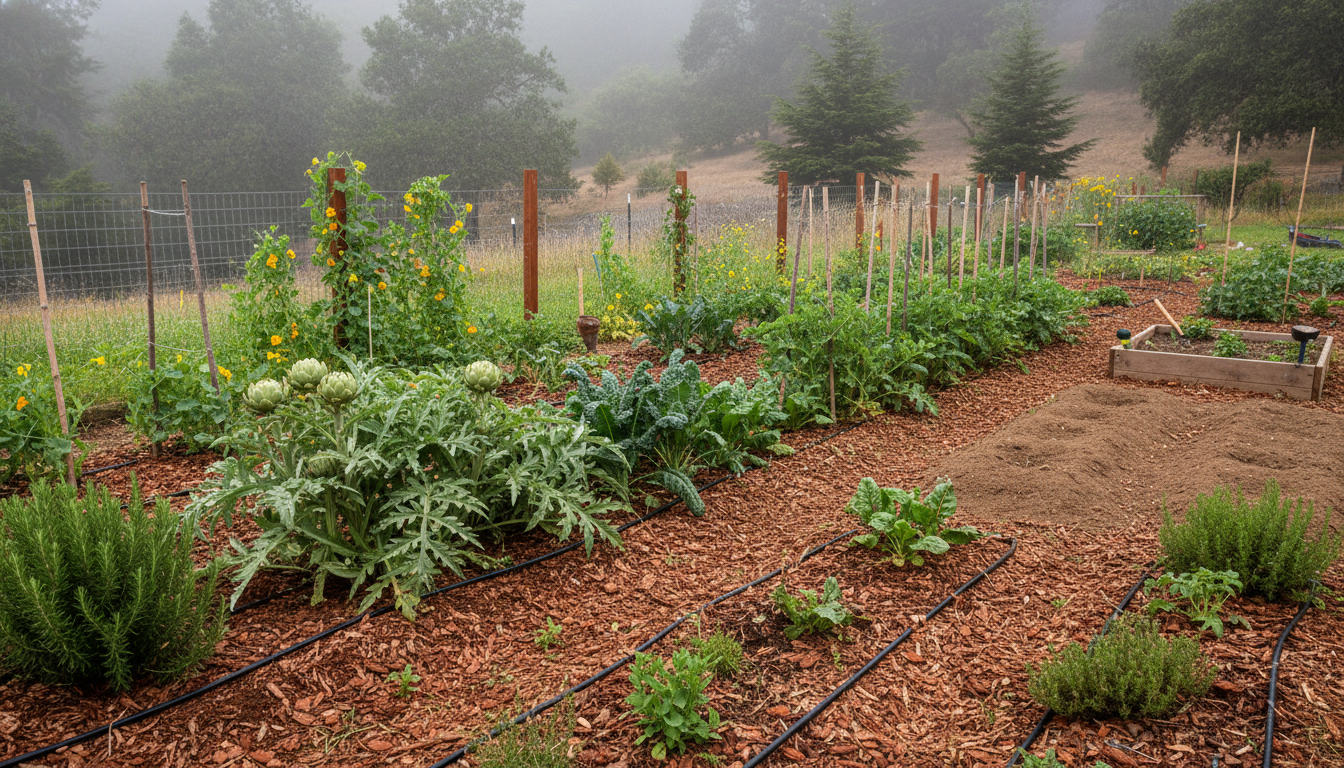
This guide includes affiliate links. If you buy through one, Ambitious Harvest may earn a commission at no extra cost to you. As an Amazon Associate, we earn from qualifying purchases. Read our full disclosure.
The bed looks ready for spring, except that you have not turned it over yet. That may be perfectly fine. An established vegetable bed does not need tilling simply because a new season has arrived. Start with what the soil and the next crop need, rather than making the rototiller the first step every year.
A bed you can plant into easily is a different project from compacted ground you are preparing for the first time. Keeping that distinction can save work without turning no-till gardening into another rigid rule.
Keep useful soil structure intact
UC Sonoma’s no-till guidance describes the benefits of reducing disturbance, including protecting soil aggregates and the pores through which water and air move. Repeated cultivation can disrupt that structure and bring buried weed seeds toward the surface.
Soil life matters too. UC ANR’s discussion of mycorrhizal fungi describes relationships between fungi and roots and notes that avoiding tillage favors their establishment. Keeping disturbance limited helps protect those relationships as you prepare the next crop.
Give a new or difficult bed its own plan
The same UC Sonoma guide allows for one-time cultivation in some new-bed situations. That is different from returning every spring to churn an established bed. Identify the problem before choosing the tool: compaction, persistent weeds, drainage and an amendment that needs incorporation are not interchangeable reasons to dig.
After winter rain in Santa Cruz County, wait until the soil is workable. Avoid forcing a fork through wet, sticky ground or working beneath established roots without a reason. If water remains ponded, investigate where it can go; loosening the surface may not solve a deeper drainage problem.
A broadfork is one tool to compare when loosening is appropriate. It still disturbs soil and can damage roots. Check the tool's weight, working space and instructions, and do not assume every compacted patch needs it.
Care for the bed between crops
Keep walking routes separate from the growing area. Clear enough space for planting, and leave the rest of a sound bed alone where practical. If a crop was diseased, follow its cleanup guidance instead of leaving every old root or stem in place by default.
Compost can be useful, but a no-till method is not permission to add several inches every year indefinitely. Choose amendments for an identified soil or crop need and include previous applications in the decision. Minnesota Extension describes nutrient and salt problems from excessive compost and manure.
Mulch can protect suitable soil, but material and placement matter. Keep planting spaces, crowns and trunks clear as needed. Near buildings, use UC’s fire-planning guidance before adding combustible mulch. A garden method that works in an open bed should not automatically extend to the house edge.
Questions before bringing out the tiller
Does skipping tilling mean I can never dig?
No. Planting, removing a persistent weed or addressing a diagnosed soil problem may require disturbance. Make it purposeful and limited to the task.
Should I add a fixed layer of compost instead?
Not by habit. Check the soil, crop needs and previous additions. More organic material does not always improve the next harvest.
Can I plant immediately into any ground using no-till?
No. A new site may need weed management, assessment of compaction or drainage, and preparation suited to its history. The label describes an approach, not a guarantee that the site is ready.
This week: choose one established bed and list only the preparation it needs. Compare that list with last spring's work. Keep your observations with Your Garden Toolkit.
