

Why Native Garden Design is Essential for Eco-Friendly Landscaping
A few of the product links in this guide are affiliate links. If you buy through one, Ambitious Harvest may earn a small commission at no extra cost to you, which helps keep these guides free. We only point to gear we would use in our own Santa Cruz garden. As an Amazon Associate, we earn from qualifying purchases. Read our full disclosure.
How Can Native Plants Revitalize Your Garden?
Gone are the days of generic gardening. Today, native garden design is transforming backyards by harmonizing aesthetic appeal with ecological sensitivity. Opting for native plants is not merely a landscaping choice. It is a conscious decision to foster biodiversity, support local wildlife, and minimize the environmental impact of gardening. Native species are perfectly adapted to their home environments, requiring fewer resources such as water, fertilizers, and pesticides. As the UC Master Gardener program notes, natives are already adapted to California's climate, soils, and insect pests, which saves you money on water, fertilizers, and pesticide use. This not only makes your garden maintenance easier but also ensures it plays a role in preserving the natural local ecosystem.
Why Do Native Plants Matter for Your Local Ecosystem?
The choice to incorporate native plants into your garden goes beyond aesthetic value; it is vital for sustaining the local ecosystem. Native plants have evolved to thrive in the specific conditions of your area, making them ideally suited for local weather, soil, and the needs of nearby wildlife. By planting natives, you reduce water usage and eliminate the need for chemical interventions, while providing crucial habitat for birds, bees, and butterflies. This natural approach helps to maintain and enhance biodiversity in your community. If you are exploring the broader benefits of native garden design in Santa Cruz, you will find that these advantages extend well beyond your own backyard.
| Benefit | What it looks like in your garden | Why it matters |
|---|---|---|
| Lower water use | Deep-rooted shrubs, fewer thirsty lawns | Reduces irrigation needs; native gardens can use up to 80–85% less water than turf landscapes |
| Less maintenance | Little or no mowing; minimal fertilizing and spraying | Saves time and money and reduces ongoing inputs over the long term |
| Wildlife support | More birds, butterflies, bees, and beneficial insects | Supports healthier, more resilient local ecosystems and improves pollination |
| Climate resilience | Plants adapted to drought, heat, and local conditions | Creates landscapes that better withstand dry spells and extreme weather |
How Does Native Gardening Enhance Local Ecosystems?
Native gardening offers significant ecological benefits. It maintains biodiversity by providing habitats for local wildlife, including crucial pollinators and native birds. These plants have adapted over millennia to local conditions, making them robust enough to thrive with minimal intervention. This resilience translates to lower water usage and a reduced need for chemical pesticides and fertilizers. For gardeners interested in supporting beneficial insects, our guide to pollinator-friendly gardens in California covers companion strategies that pair well with native plantings.
Additionally, native plants contribute to the structure of the local ecological community by forming symbiotic relationships with other local species, which helps to stabilize the local ecosystem. Deep-rooted native shrubs and perennials help stabilize soil, reduce runoff, and filter pollutants before they reach streams and the Bay.
How Do Native Plants Conserve Water in Your Garden?
A standout benefit of native garden design is its efficiency in water usage. Native plants require substantially less water than their non-native counterparts, aligning perfectly with the eco-conscious goals of gardeners in drought-prone areas like Santa Cruz County. Well-designed native gardens can use up to about 80-85% less water than traditional lawns or high-water landscapes, especially when combined with drip irrigation and mulch. According to UC ANR's Napa Master Gardener column, once established, most California natives prefer little or no supplemental water because they evolved in our summer-dry climate.
By planting species that are adapted to the local climate, gardeners can significantly reduce their landscape's water demand, easing the strain on municipal water supply and contributing to overall water conservation efforts. For a deeper look at low-water strategies, see our water-wise gardening guide for California.
| Plant | Light and soil | Key benefits |
|---|---|---|
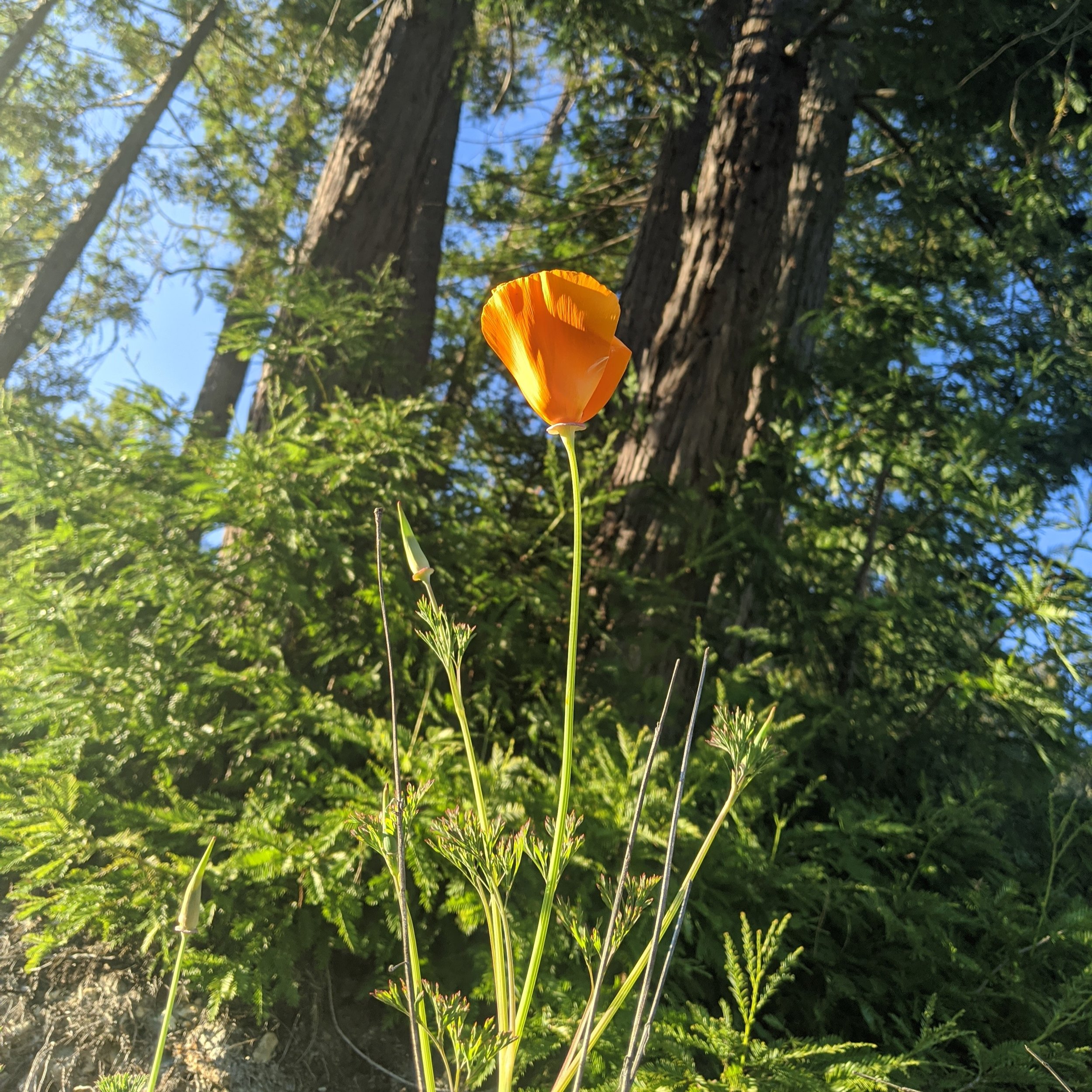
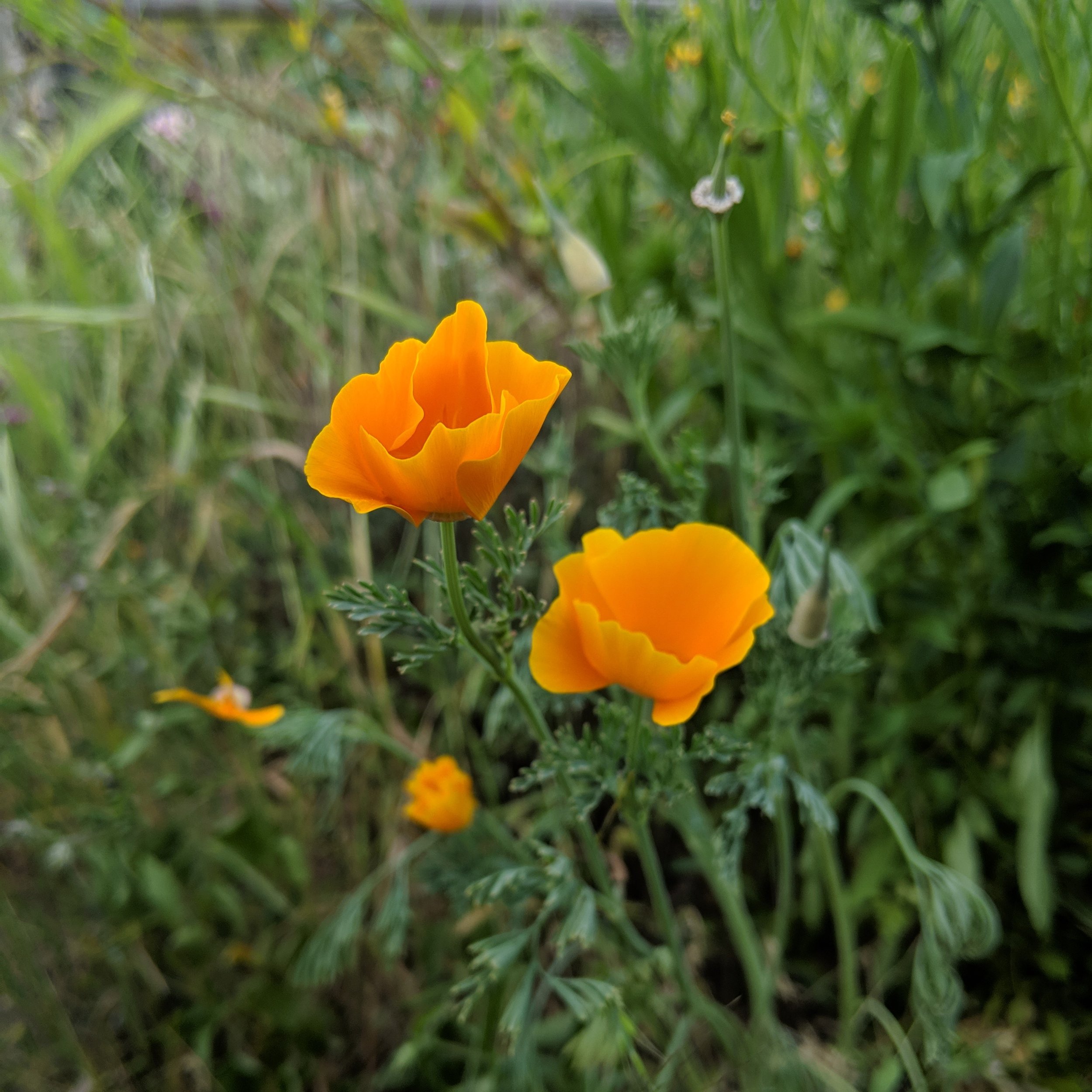
| California poppy (Eschscholzia californica) | Full sun; well-drained, lean soil | Showy spring color; reseeds easily; very low water once established |
| Matilija poppy (Romneya coulteri) | Full sun; well-drained soil; room to spread | Large “fried egg” flowers; extremely drought-tolerant; well suited to slopes |
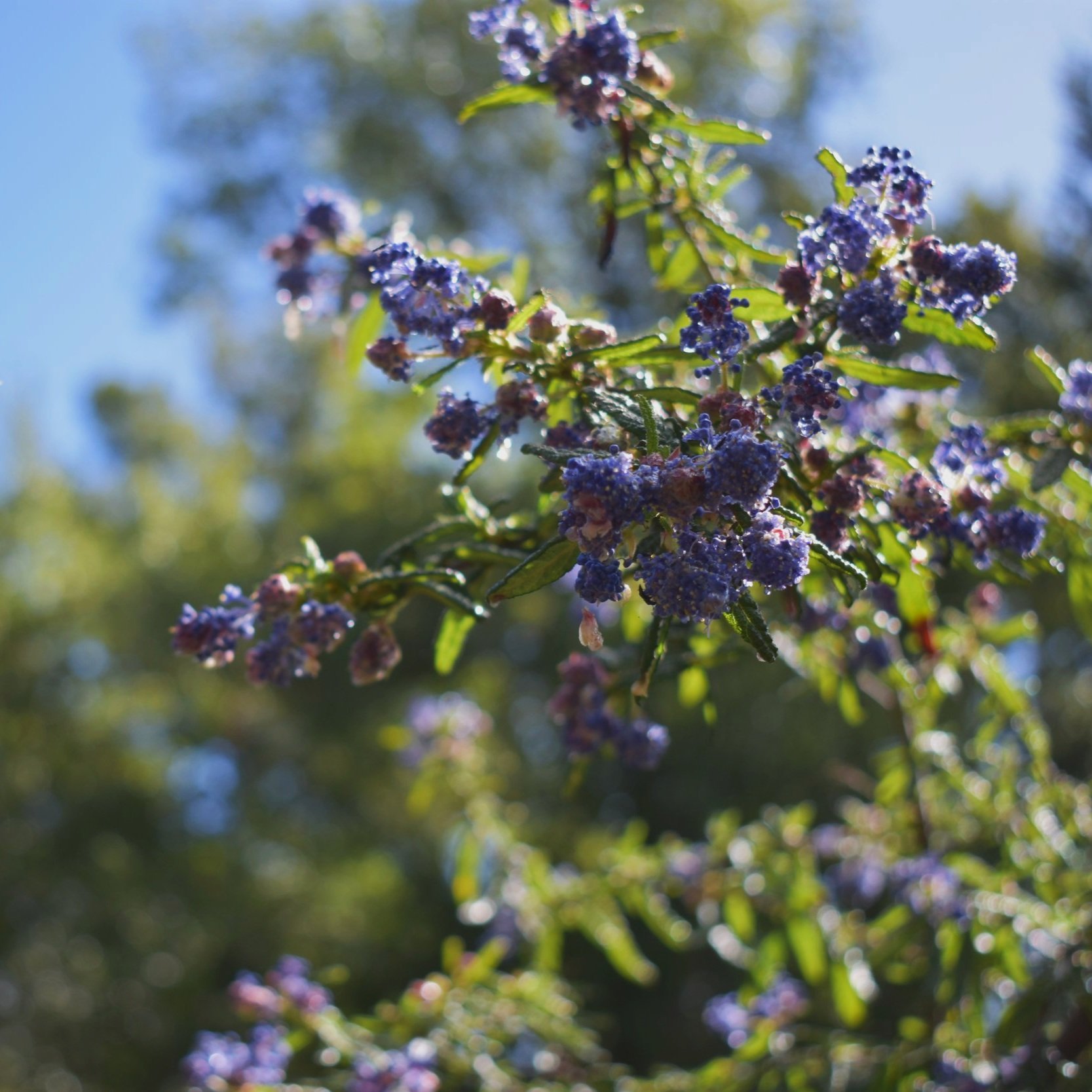
| Ceanothus (California lilac) | Sun to light shade; well-drained soil | Spring blue flowers; strong pollinator attraction; excellent low-water shrub |
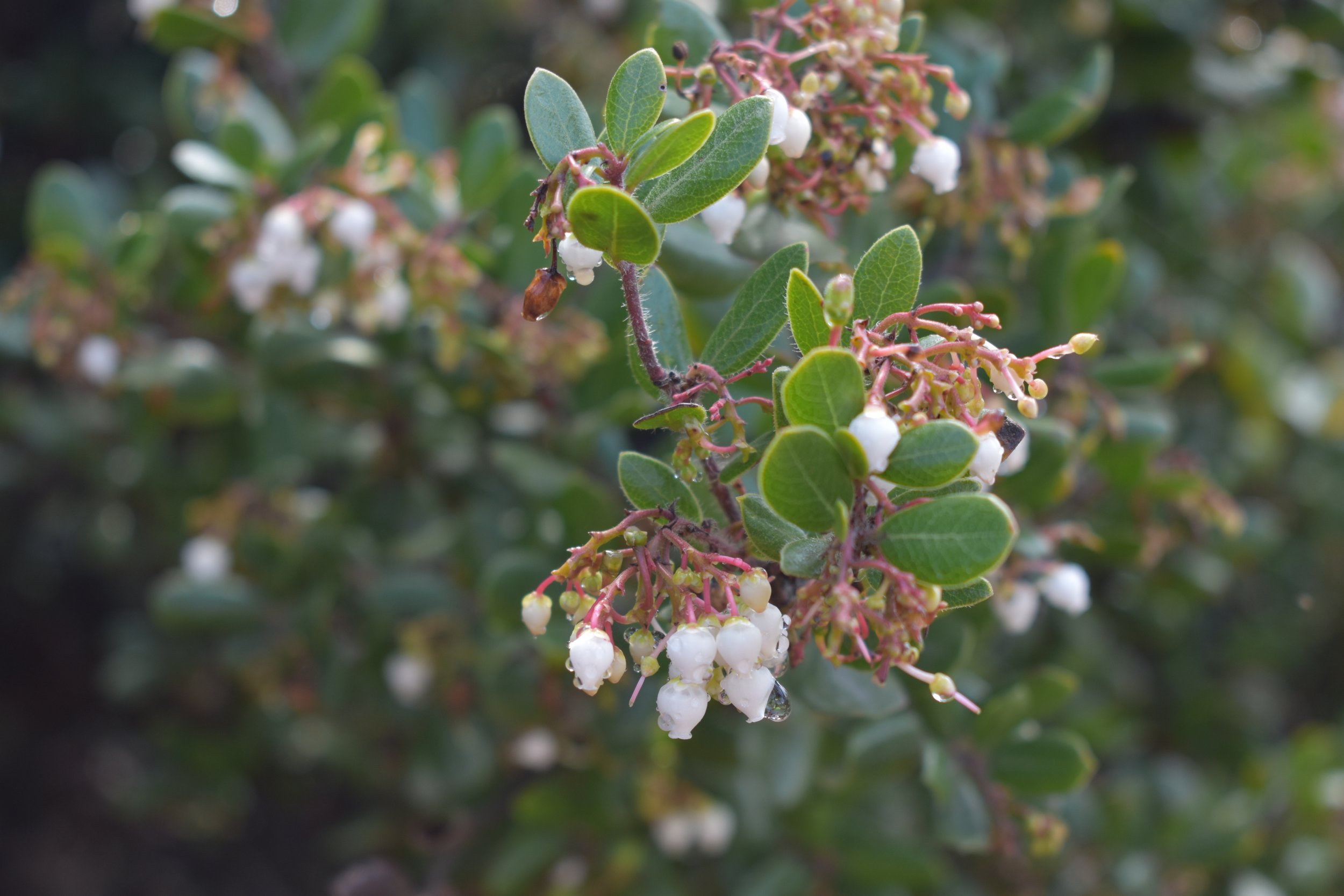
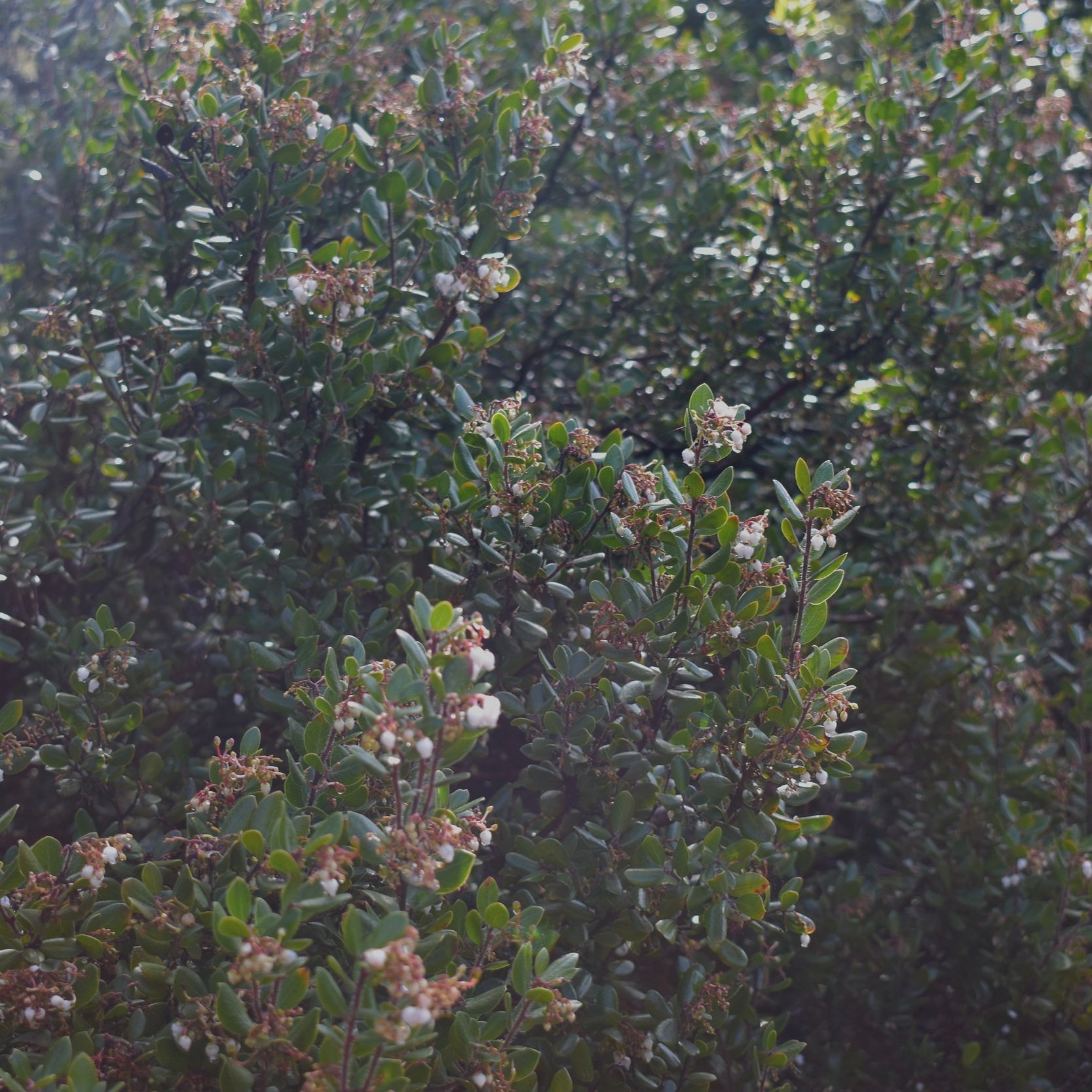
| Manzanita (Arctostaphylos spp.) | Full sun; fast-draining soil | Red bark and winter bloom; supports birds and pollinators; very low water needs |
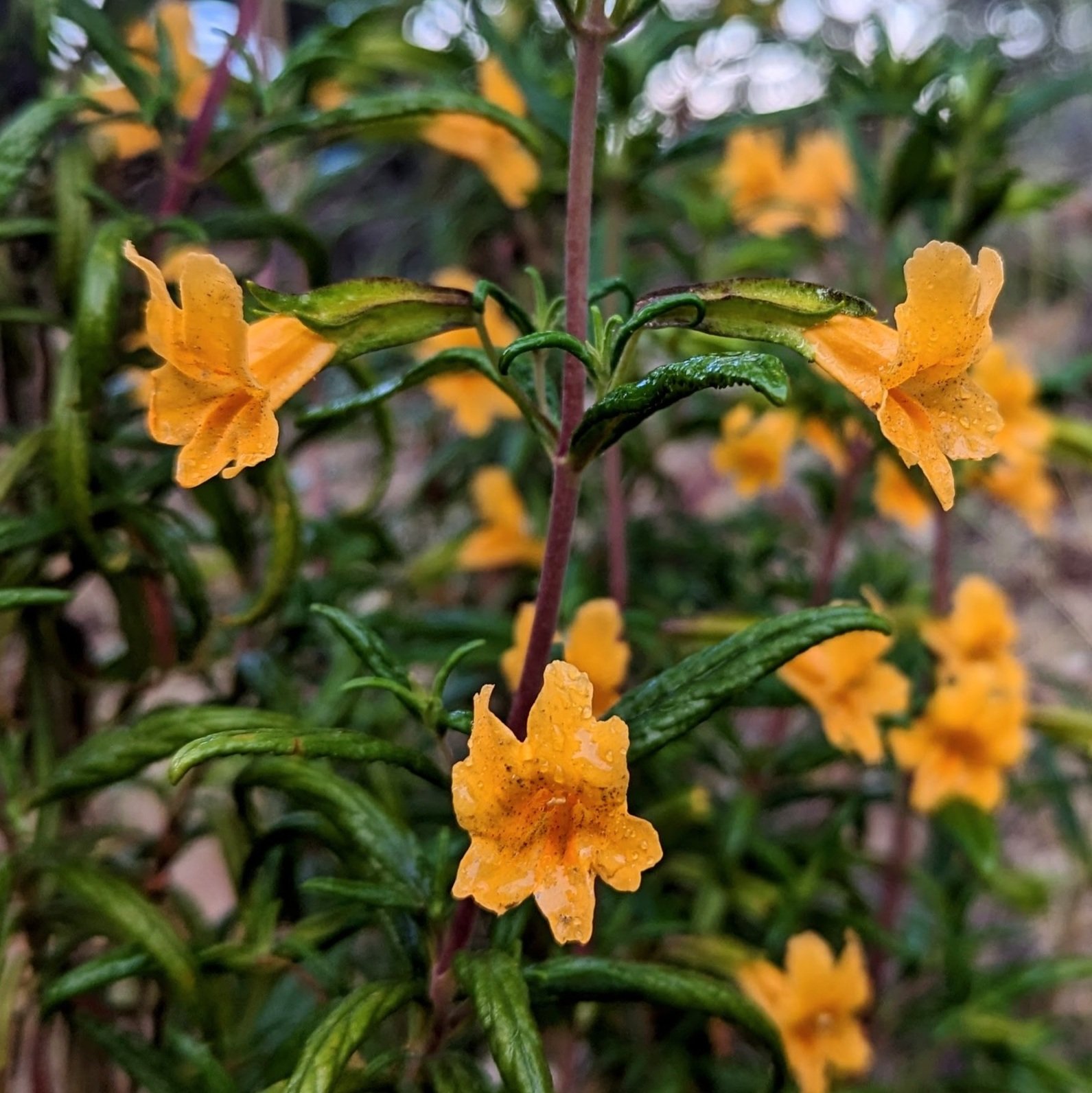
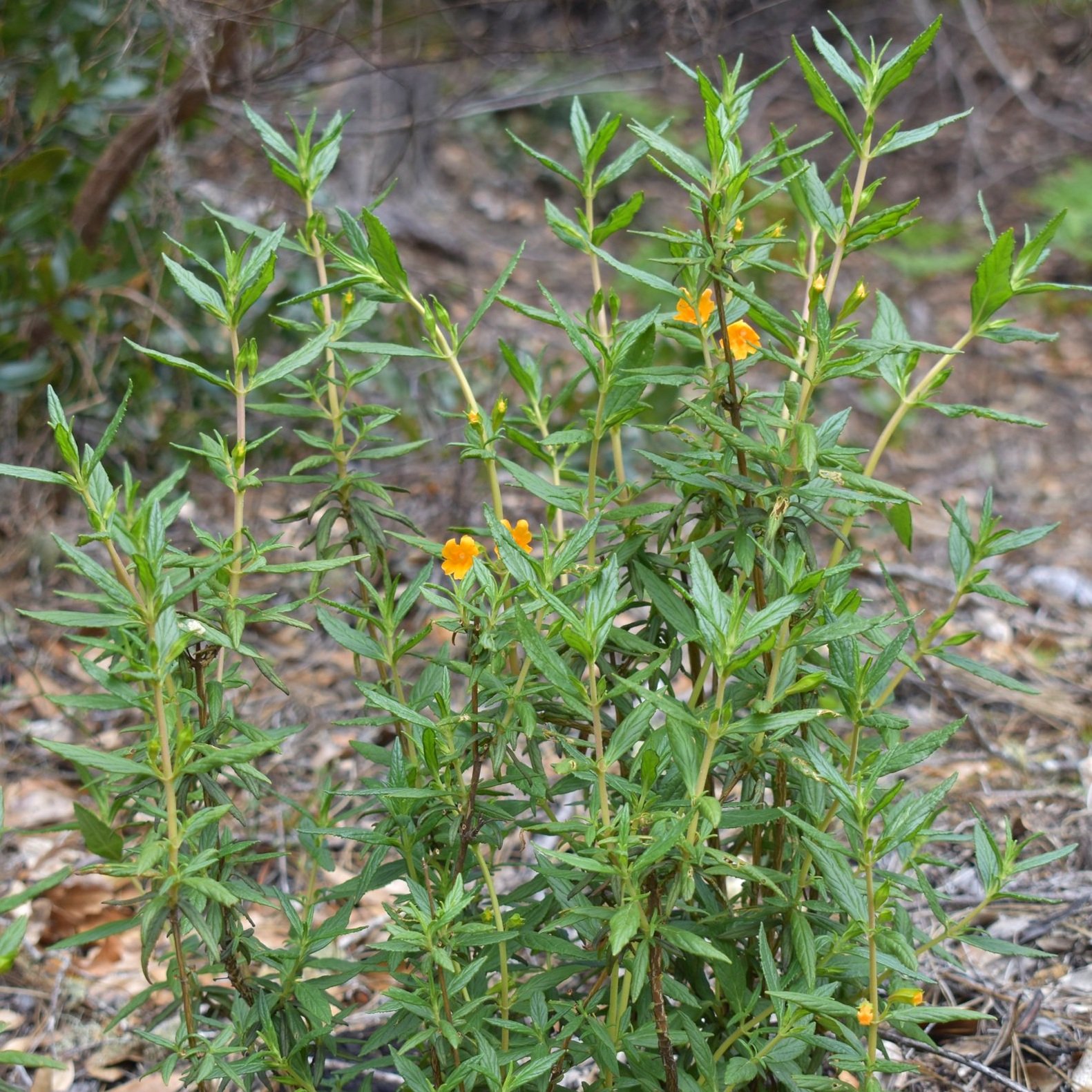
| Monkeyflower (Mimulus spp.) | Sun to part shade; well-drained soil | Long bloom season; attracts hummingbirds and pollinators |
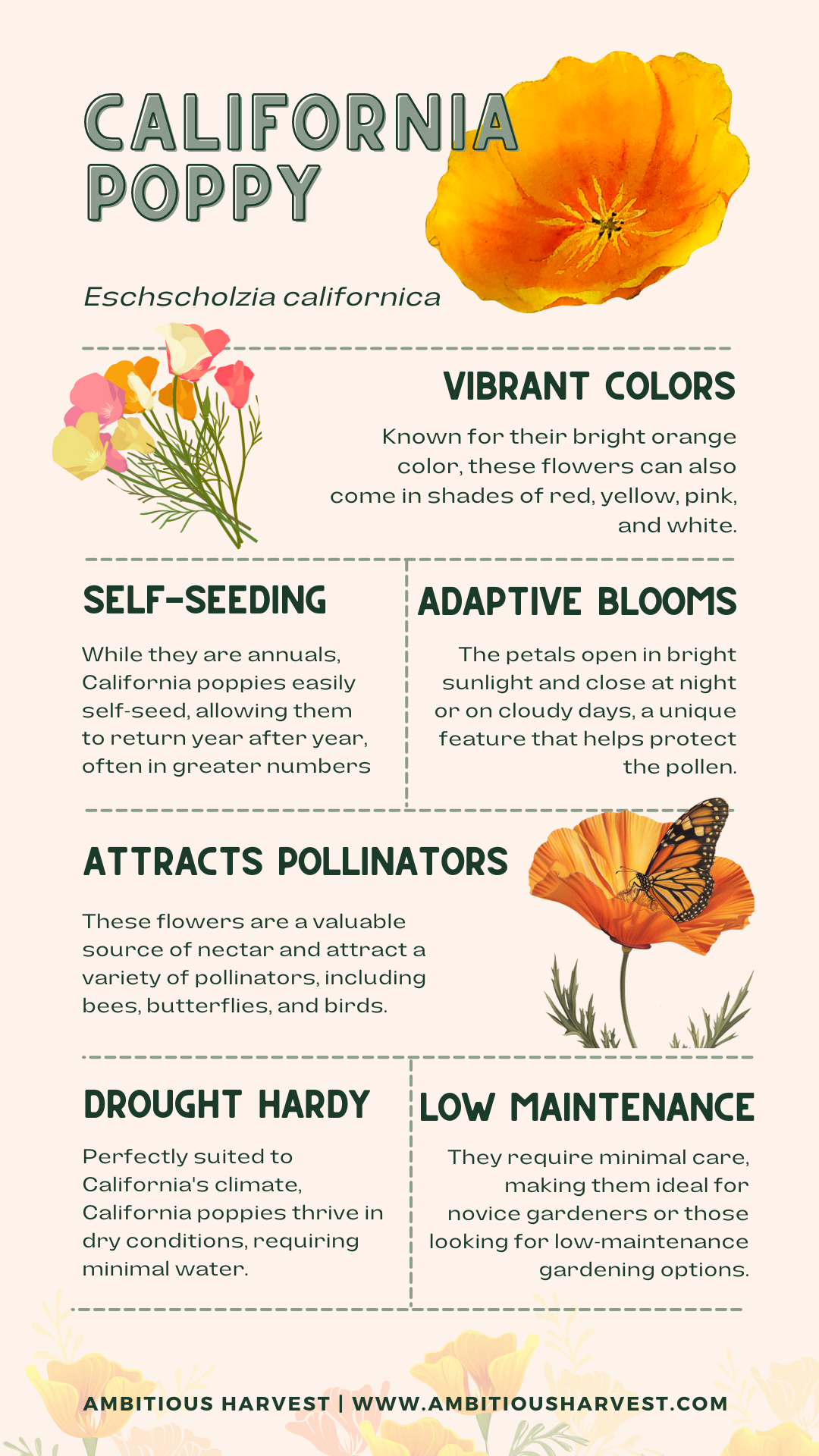
California Poppy (Eschscholzia californica)
As the state flower, the California Poppy is a brilliant addition to any garden with its vibrant orange blossoms. This drought-tolerant plant thrives in full sun and poor soil, lighting up any space from spring through early summer.
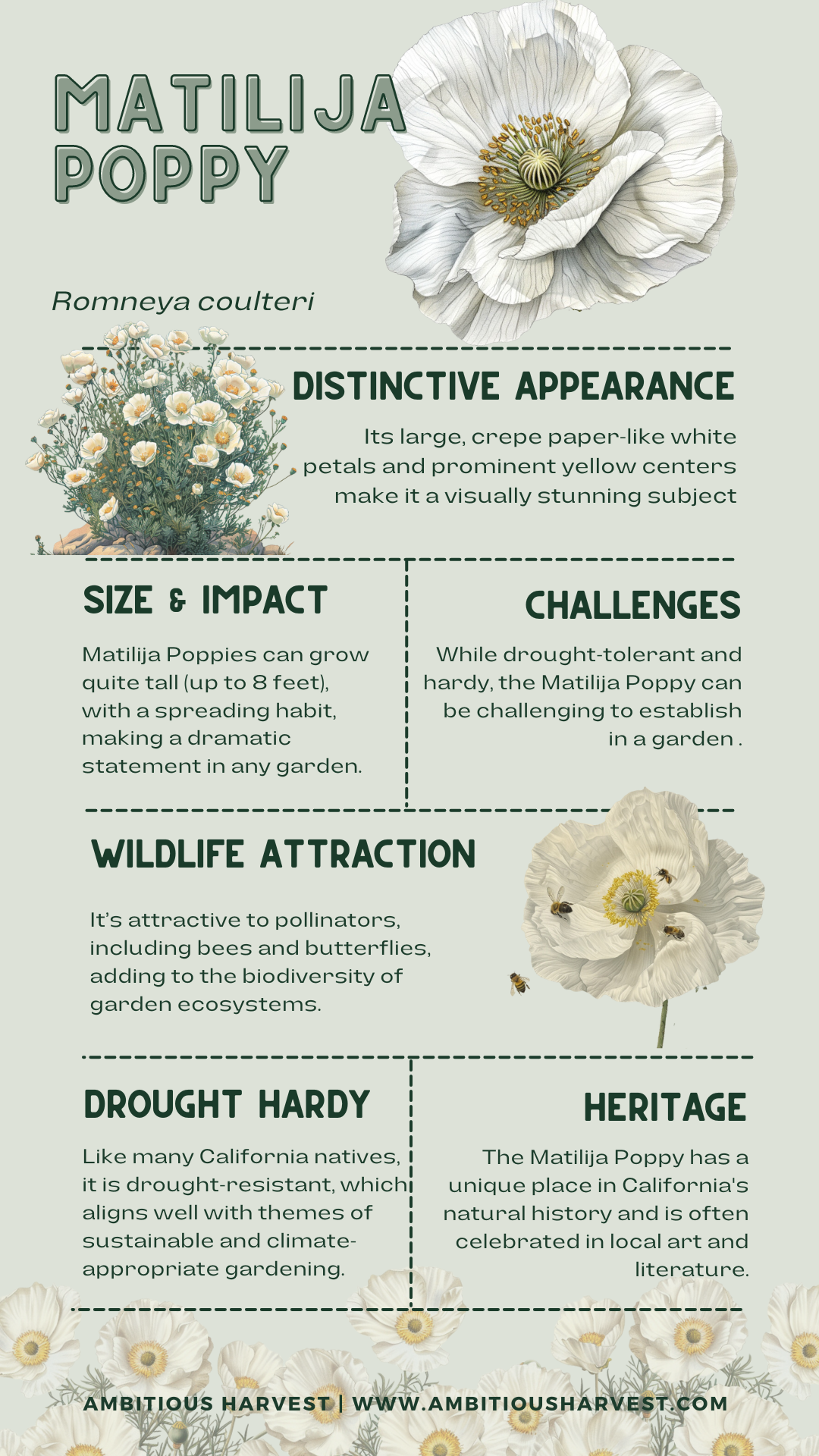
Matilija Poppy (Romneya coulteri)
Known for its large, showy white flowers that resemble fried eggs, the Matilija Poppy is a stunning choice for larger spaces. It's extremely drought-resistant and thrives in well-draining soils, making it perfect for dry, sunny areas.
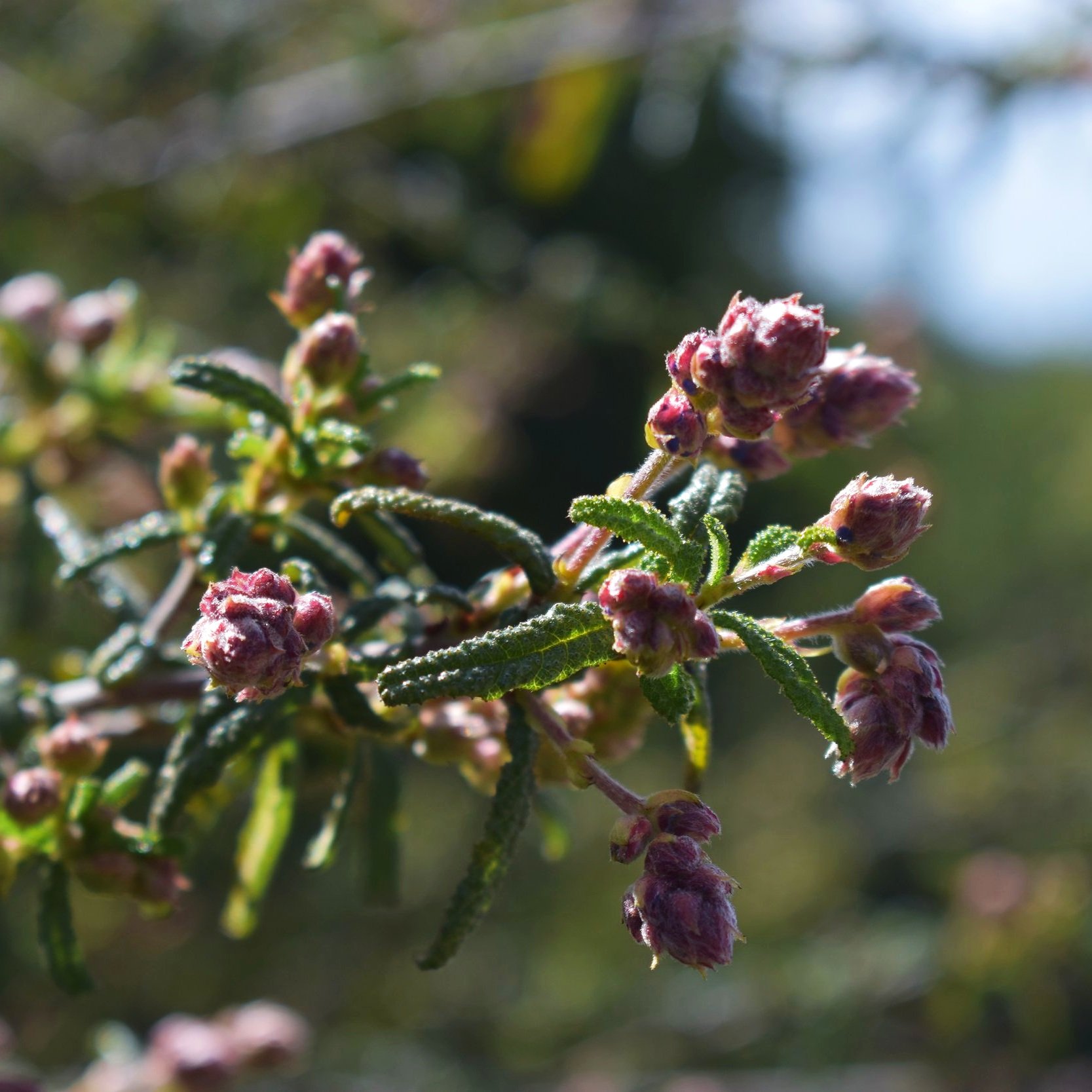
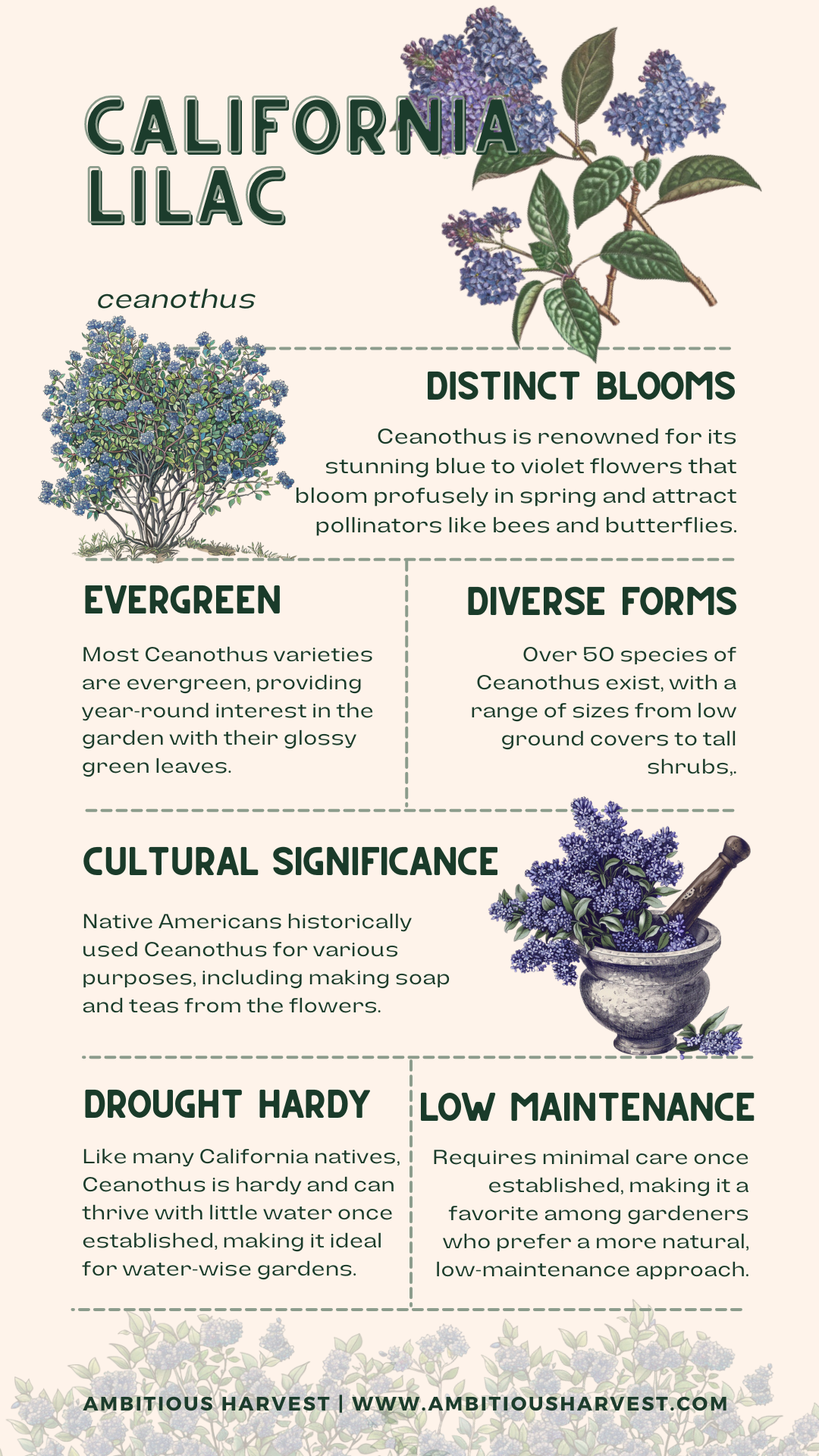
Ceanothus (California Lilac)
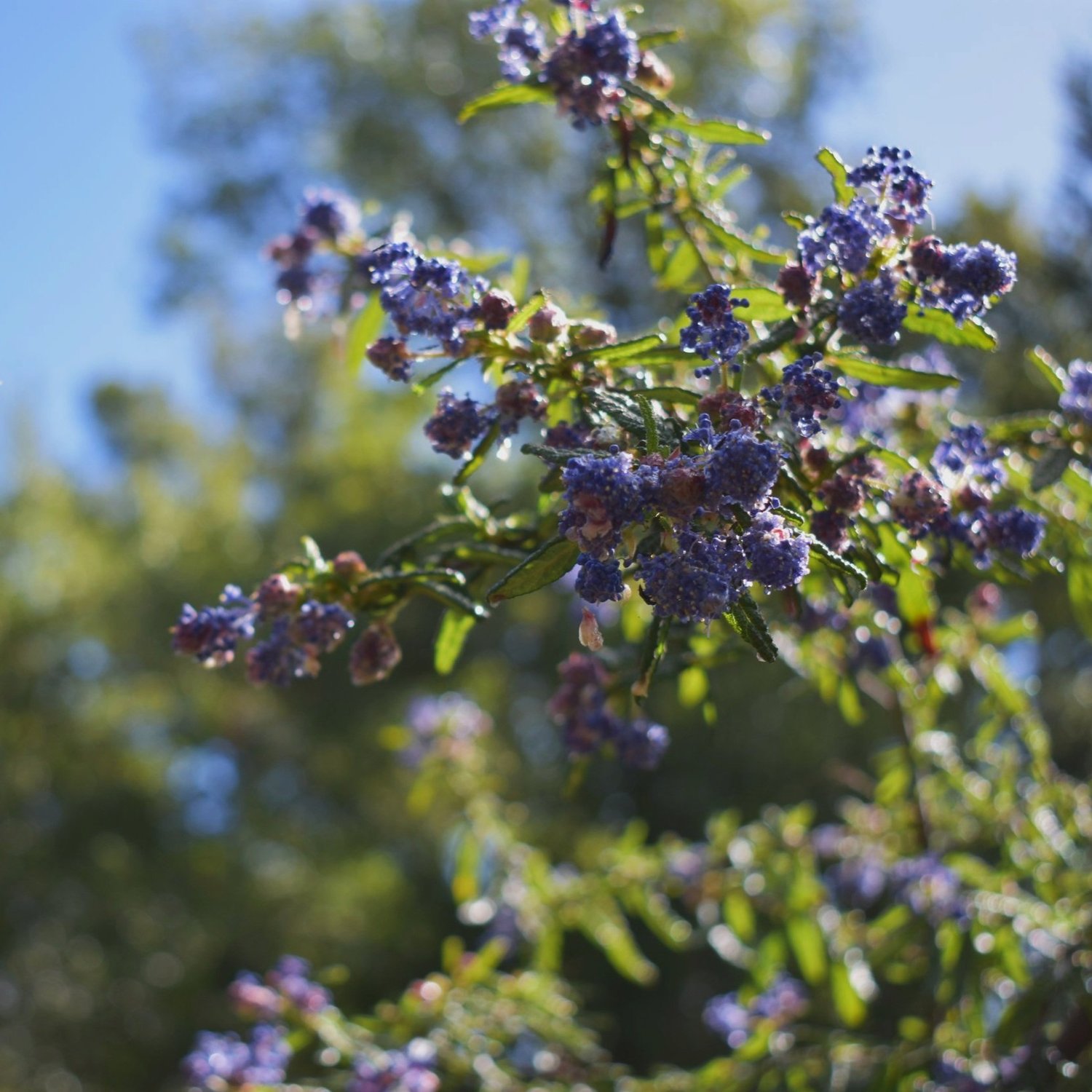
Available in many varieties, Ceanothus is celebrated for its lush blue to purple flowers that bloom profusely in spring and early summer. This shrub is excellent for attracting pollinators and adapts well to the local climate, requiring minimal watering once established.
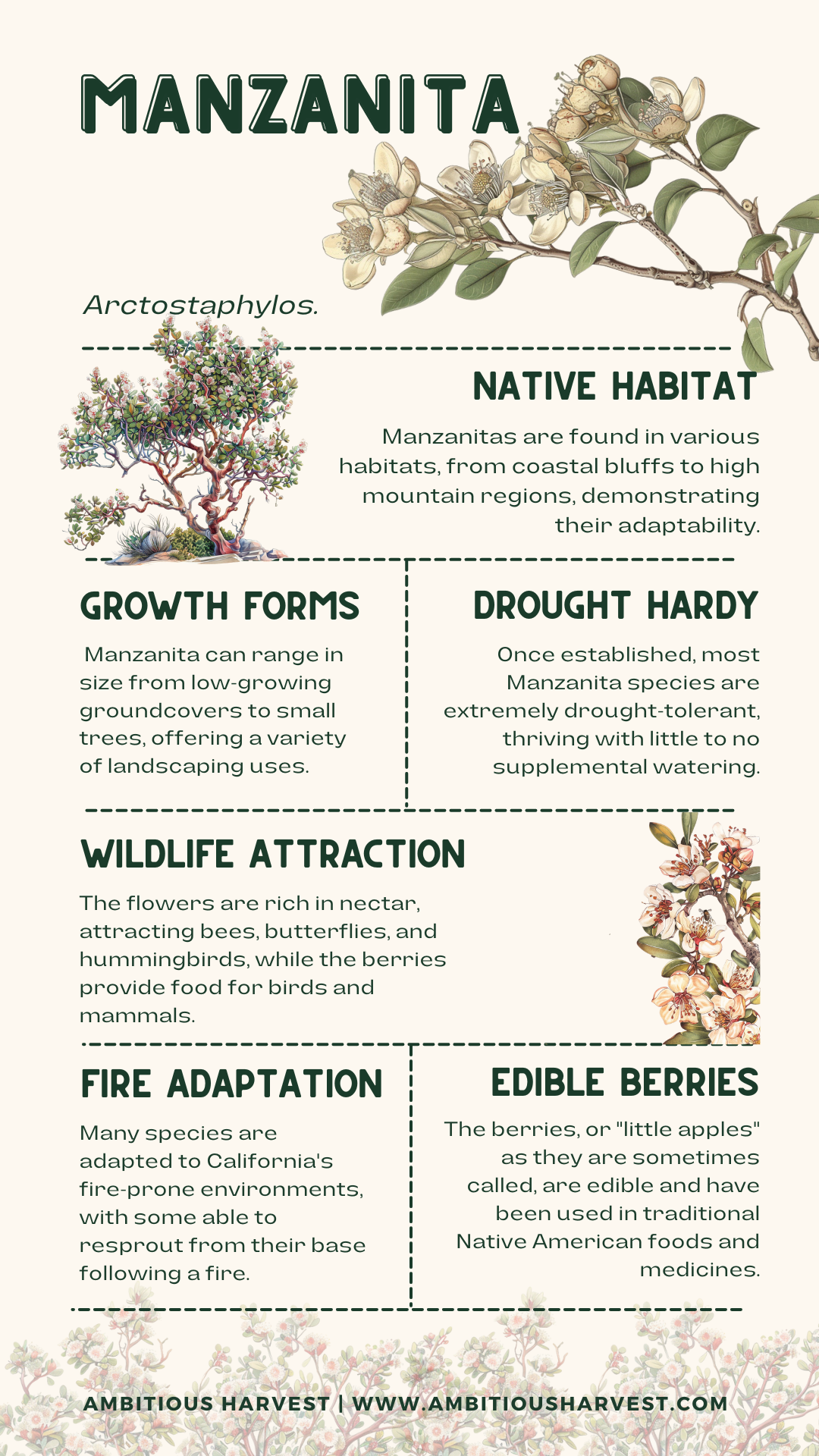
Manzanita (Arctostaphylos)
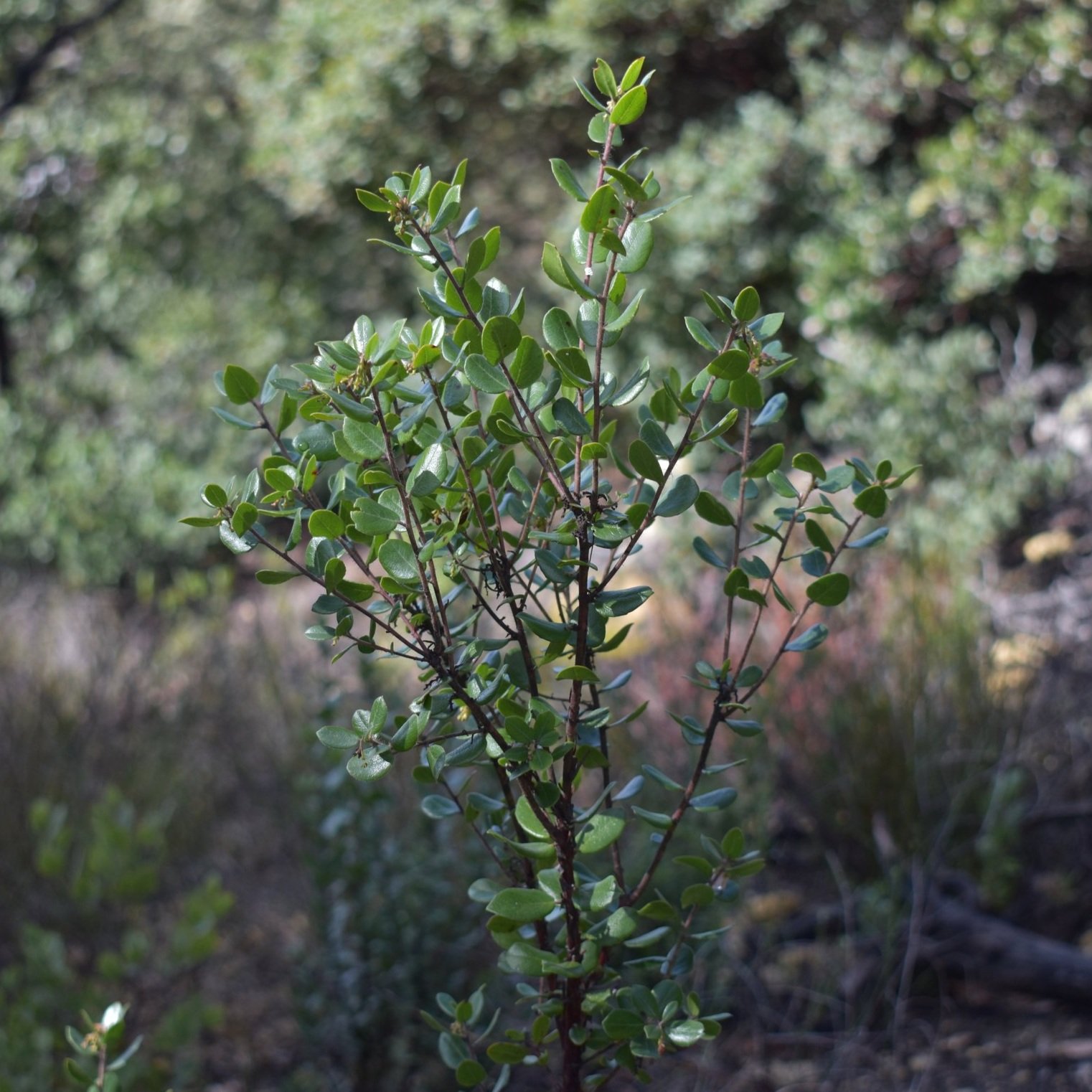
With its striking red bark and dense clusters of pink or white flowers, Manzanita is a beautiful year-round plant. It's incredibly resilient, requiring little water once established, and provides valuable habitat for wildlife.
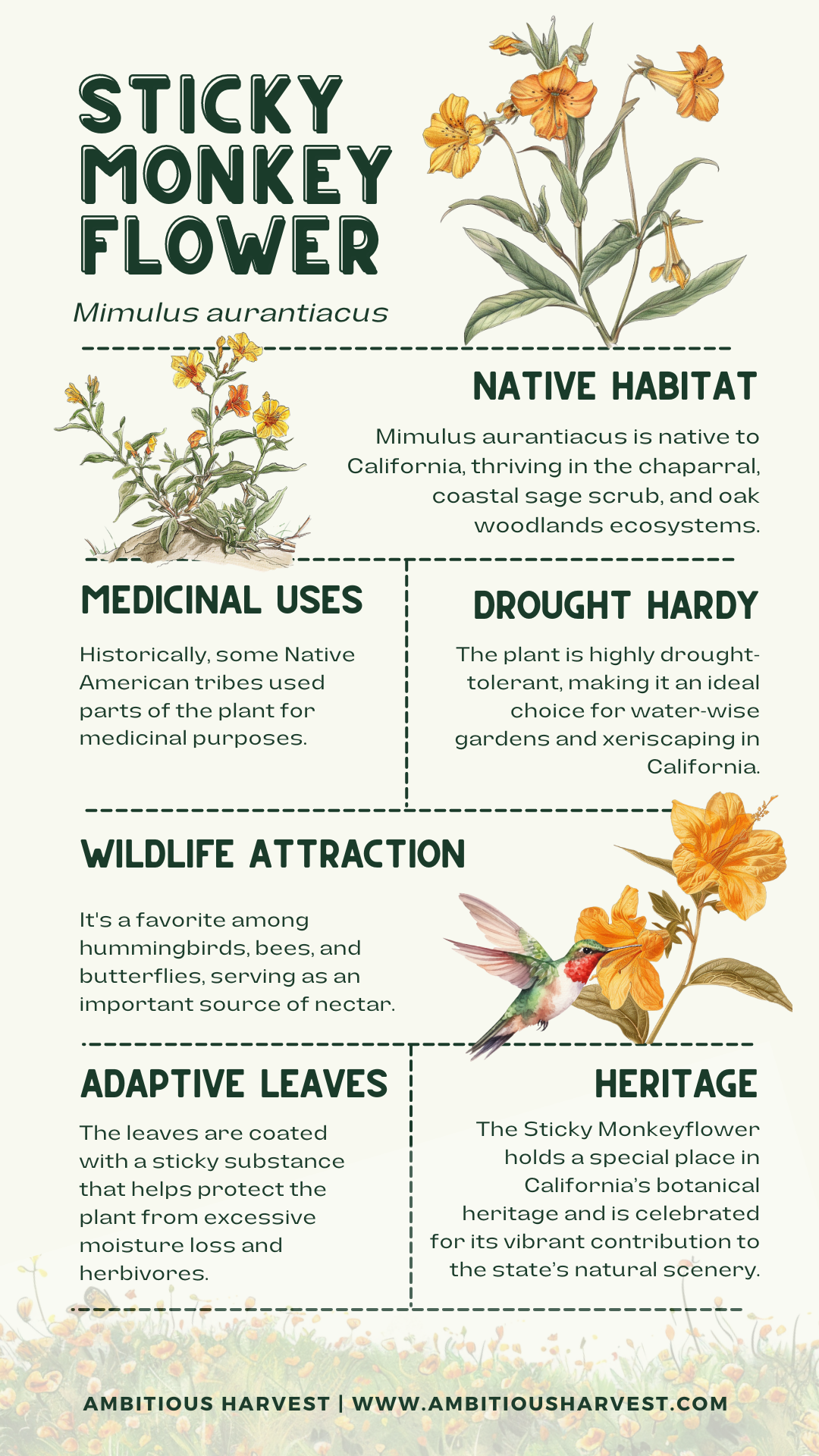
Monkeyflower (Mimulus)
Offering a range of colors from yellow and orange to red and pink, Monkeyflowers are versatile and vibrant. They prefer well-draining soil and are quite adaptable, making them suitable for various garden settings.
These plants not only bring distinct color and texture to your garden but also form a sustainable habitat for local wildlife, helping to maintain the natural biodiversity of Santa Cruz County.
What Are the Most Common Pitfalls to Avoid in Native Gardening?
While native gardening is beneficial, certain common mistakes can hinder your success. Avoid over-planting one species; if a disease or pest targets that plant, it can spread quickly through a monoculture. Diversity is key to a healthy garden ecosystem.
Be mindful of the mature size of plants to prevent overcrowding. Research each plant's mature size so large shrubs like Matilija poppy and some manzanitas do not crowd paths or structures.
Additionally, resist the urge to over-tend your garden. Native landscapes thrive with a more hands-off approach, which allows natural processes to manage plant health. Natives generally need less fertilizer, pesticides, and intensive care when sited correctly.
How Can Native Garden Design Work in Urban Settings?
In urban settings, native garden design not only conserves resources but also brings a touch of wilderness to the cityscape. These gardens act as crucial green spaces that purify the air and provide respite from the concrete environment. They also offer essential corridors for urban wildlife, promoting ecological connectivity even in densely populated areas.
Worried about the look? See why native gardens do not have to look messy or brown.
If you want to see the idea working at full size, our guide to the public gardens north of Santa Cruz covers the collections where mature native plantings are on display and worth studying.
Frequently Asked Questions About Native Garden Design
How do I know which plants are native to Santa Cruz County?
Use resources like Calscape (calscape.org), run by the California Native Plant Society, which lets you search by zip code to find plants native to your specific area. Local nurseries like Sierra Azul in Watsonville specialize in natives and can recommend species suited to your conditions. The CNPS Santa Cruz Chapter also holds plant sales with locally appropriate natives.
Will a native garden look messy or wild?
Not necessarily. Native gardens can be designed to look as tidy or naturalistic as you prefer. Use defined borders, pathways, and strategic plant groupings to create structure. Many native plants like ceanothus and manzanita have attractive, orderly forms. The key is thoughtful design rather than just scattering plants randomly.
How long does it take for native plants to establish?
Most California natives need 1-2 years of regular watering to establish deep root systems. After that, they typically need little to no supplemental irrigation. The first summer is critical, so water deeply but infrequently to encourage roots to grow downward. By the third year, most natives are fully established and drought-tolerant.
Can I mix native and non-native plants?
Yes, many gardeners successfully combine natives with compatible non-natives, especially Mediterranean climate plants from similar regions. The key is grouping plants by water needs. Avoid placing thirsty non-natives next to drought-tolerant natives, as overwatering can harm native plants adapted to dry summers.
Do native plants attract more pests?
Actually, native gardens often have fewer pest problems because they support beneficial insects that prey on pests. A diverse native garden creates ecological balance. Some natives may host specific insects (like milkweed hosts monarch caterpillars), but this is a feature, not a bug. These relationships are part of the local food web.
Are native plants more expensive than conventional landscaping plants?
Initial costs can be similar or slightly higher, but natives save money over time through reduced water bills, less fertilizer, and lower maintenance. Buy from native plant sales at Cabrillo College or Sierra Azul Nursery for better prices. Growing from seed is the most economical option for species like California poppies that reseed readily.
How do I prepare my soil for native plants?
Most California natives prefer lean, well-draining soil and actually perform poorly in heavily amended, rich soil. Avoid adding compost to planting holes for drought-tolerant natives. Focus on improving drainage if you have heavy clay. Many natives evolved in poor soils and will become leggy or short-lived if overfed.
What about fire safety and native plants?
Some natives like manzanita and ceanothus can be fire hazards when planted close to structures due to their resinous foliage. Use fire-resistant natives like California fuchsia, yarrow, and toyon in Zone 1 (5-30 feet from your home). Keep all plants, native or not, well-maintained with dead material removed.
Free Gardening Resources
Water-Wise Gardening Guide: Strategies for reducing water use that complement native plant landscaping.
Know Your Microclimate Worksheet: Identify your specific growing conditions to choose appropriate native species.
Additional Resources
CA Department of Water Resources: Why Garden with Native Plants
The Role of Native Plants in Sustainable Bay Area Landscaping
What Makes Native Gardening a Truly Sustainable Approach?
Adopting native garden design is not just a gardening choice. It is a commitment to environmental stewardship. This approach supports local wildlife, conserves natural resources, and provides a beautiful, resilient landscape that reflects the native beauty of the Bay Area. Native gardening offers people of any experience level a rewarding way to connect with the environment and contribute to local conservation efforts.
