

What to Plant in Santa Cruz & the Bay Area in March
A few of the product links in this guide are affiliate links. If you buy through one, Ambitious Harvest may earn a small commission at no extra cost to you, which helps keep these guides free. We only point to gear we would use in our own Santa Cruz garden. As an Amazon Associate, we earn from qualifying purchases. Read our full disclosure.
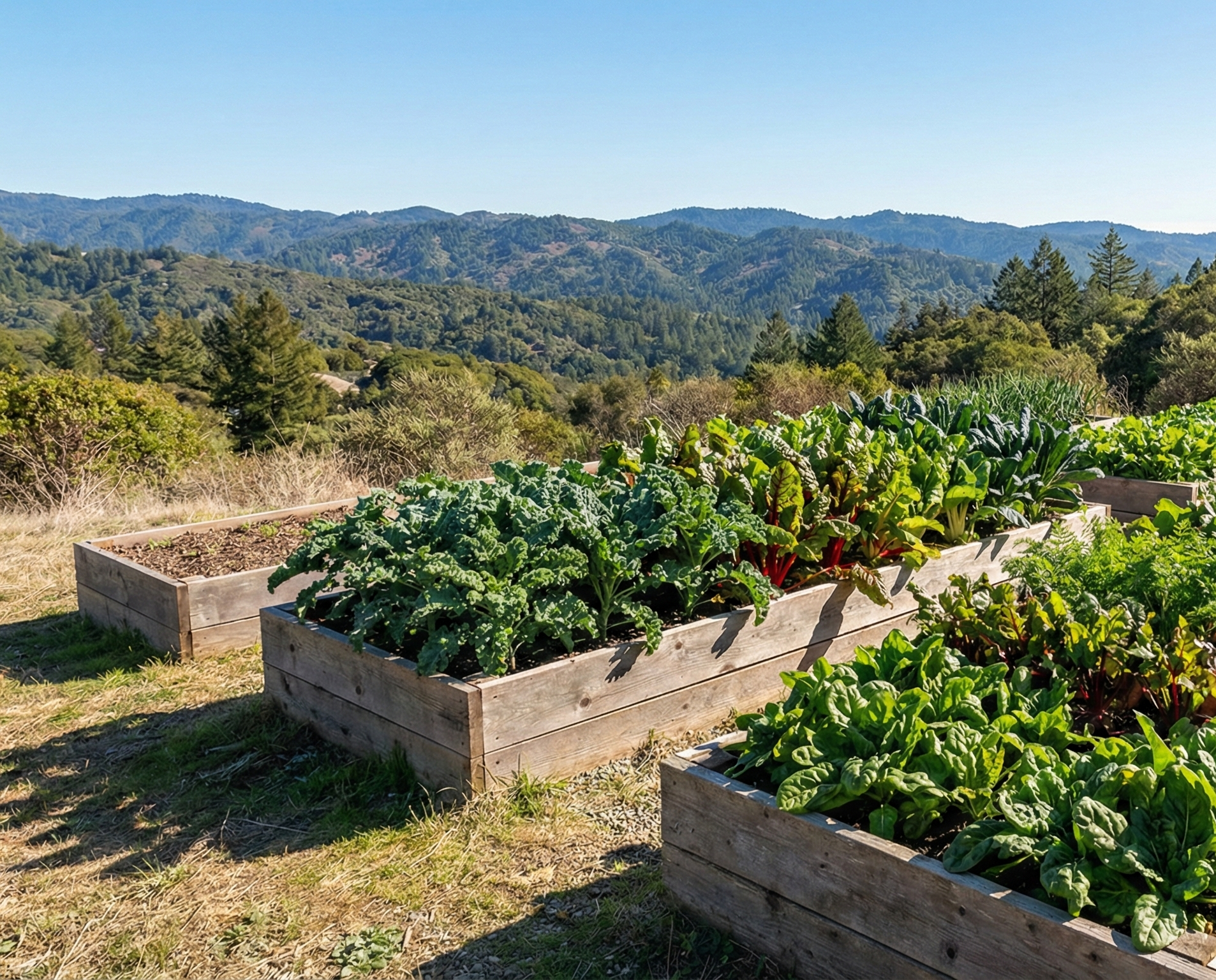
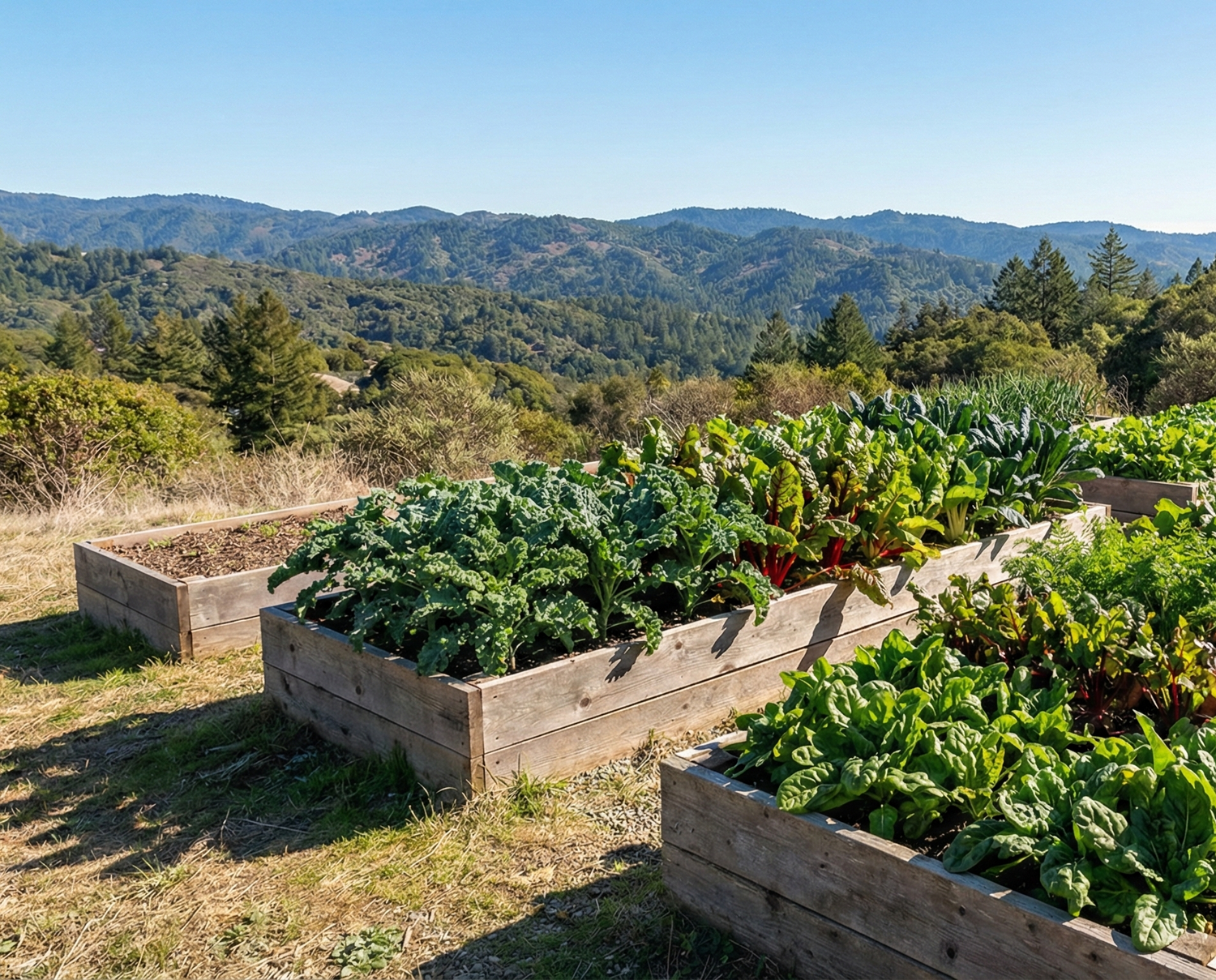
March is when Santa Cruz County truly wakes up. Spring has arrived - though it looks different depending on your microclimate. Coastal areas are still cool and misty, while sunny inland areas are warming fast. Days are noticeably longer, and your garden is ready to grow.
This is a major planting month for both cool-season crops that will produce in spring and warm-season seeds that you'll start indoors for summer harvests.
Why March Is a Transition Month
March bridges late winter and early spring:
Sunny mountain areas (Boulder Creek ridges, Ben Lomond chaparral, Scotts Valley hills): 60s-70s, warming fast, occasional 80° days
Under redwoods (Felton canyons, shaded areas): 50s-60s, still cool and moist
Inland valleys (Scotts Valley, Soquel): 60s, pleasant spring weather
Coastal (Aptos, Capitola, Santa Cruz): 50s-60s, marine layer still present
Watsonville/Pajaro Valley: 60s-70s, warm and sunny
Frost risk is minimal by March in most areas, though low-lying inland valleys might get a surprise cold night. Rain is still possible but less frequent than winter.
Direct Seed These in March
Cool-Season Crops (still excellent)
Lettuce (all varieties - grows fast now!)
Arugula
Spinach
Chard
Mustard greens
Mizuna
Asian greens (bok choy, tatsoi)
Kale (direct seed or transplant)
Root Vegetables
Beets
Carrots
Radishes
Turnips
Parsnips (early March)
Legumes
Peas (snap, snow, shelling - last call for spring harvest)
Fava beans (early March only)
Early Warm-Season Crops (late March)
Beans (bush and pole - coastal areas wait until April)
Corn (late March in warm microclimates)
Herbs
Cilantro (still good, will bolt in May)
Dill
Parsley
Transplant These in March
Cool-Season Crops
Broccoli (for late spring harvest)
Cauliflower
Cabbage
Kale
Lettuce
Onions (from sets)
Early Warm-Season (late March in warm areas)
Tomatoes (late March in Watsonville/warm microclimates only)
Peppers (late March in warm microclimates only)
Start Seeds Indoors in March
March is CRITICAL for starting warm-season seeds indoors:
Must-start now:
Tomatoes (all areas - early to mid-March for May transplanting)
Peppers (early March - they need a long season)
Eggplant
Tomatillos
Ground cherries
Also good to start:
Cucumbers (late March)
Squash and zucchini (late March)
Melons (late March in warm areas)
Basil (late March)
What to Harvest in March
Spring abundance is starting:
Cool-season greens (lettuce, arugula, spinach, chard)
Broccoli (from fall planting)
Cauliflower (from fall planting)
Kale and collards
Peas (starting to produce)
Fava beans (in warm areas)
Radishes
Carrots
Beets
Strawberries (starting!)
Artichokes (starting!)
Citrus (still going)
March Garden Tasks
Direct seed cool-season crops for spring harvest
Start warm-season seeds indoors (tomatoes, peppers, eggplant)
Transplant cool-season starts
Finish pruning fruit trees (early March)
Plant bare-root trees and berries (early March - last chance!)
Prepare beds for spring/summer planting
Set up irrigation systems before dry season
Side-dress early plantings with compost
Begin hardening off any seedlings started in February
Divide perennial herbs and vegetables
Microclimate-Specific Advice
Coastal (Aptos, Capitola, Santa Cruz beaches, Live Oak): 50s-60s, still cool with marine layer. Perfect for cool-season planting. Wait until April for most warm-season transplants. Start seeds indoors in March for May transplanting. Your spring is slower than inland but steadier.
San Lorenzo Valley & Scotts Valley - Sunny Ridges/Chaparral (Boulder Creek mountains, Ben Lomond sunny exposures, Scotts Valley hills): 60s-70s, warming fast, occasional 80° days. You can push the season! Late March transplanting of tomatoes is possible in protected spots. Excellent for all cool-season crops. You're ahead of coastal areas by 2-4 weeks. Start warm-season seeds indoors early March.
San Lorenzo Valley & Scotts Valley - Under Redwoods (Felton canyons, Ben Lomond shaded areas): 50s-60s, still cool and moist. Focus on shade-tolerant greens and cool-season crops. Wait until April for warm-season transplants. Your spring arrives later than sunny areas nearby. Good moisture retention from winter rains.
Inland Valleys (Scotts Valley, Soquel): 60s, pleasant spring weather. Great conditions for both cool-season planting and starting warm-season seeds indoors. Late March transplanting possible for tomatoes in protected areas.
Watsonville/Pajaro Valley: 60s-70s, warm and sunny. You're the earliest zone! Late March transplanting of tomatoes and peppers is very feasible. Plant everything on this list. Your spring is 2-3 weeks ahead of coastal areas.
What Are the Most Common March Questions?
Can I plant tomatoes outside yet? It depends on your microclimate:
Coastal/under redwoods: Wait until late April or May
Sunny mountain areas/Watsonville: Late March is possible with protection, but April is safer
When in doubt: Start seeds indoors in March, transplant in April/May
Should I still plant peas? Early March, yes. Late March, you're pushing it - they'll produce but may not have a long harvest before heat makes them quit.
What about potatoes? March is perfect for potatoes in all microclimates. Plant them 4-6 inches deep, and they'll be ready in late spring/early summer.
My lettuce from winter is bolting - what do I do? Pull it and replant! March-planted lettuce will grow fast in lengthening days and will produce for 6-8 weeks before heat makes it bolt.
Can I direct seed warm-season crops yet? Beans in late March in warm areas, yes. Squash, cucumbers, tomatoes, peppers - wait until April or May. They need warmer soil temps.
What Is the March Shift: Cool to Warm?
March is when you're managing both seasons:
Still thriving:
Cool-season crops (greens, brassicas, peas)
Winter root vegetables
Artichokes and strawberries starting
Getting ready:
Starting warm-season seeds indoors
Preparing beds for summer crops
Planning garden layout
March is when planning becomes planting.
Spring Fever Management
March weather can be unpredictable - warm one week, rainy the next. Don't rush:
If it feels too early, it probably is - one more week won't hurt
Watch soil temperature, not air temperature - soil needs to be 60°F+ for warm-season seeds
Harden off indoor seedlings gradually - March sun is stronger than you think
Protect late transplants - have row cover ready for surprise cold nights
Make March Count
March is one of the most important planting months of the year. The work you do now - starting seeds indoors, planting cool-season crops, preparing beds - sets you up for abundant spring and summer harvests.
The garden is waking up. Wake up with it!
