Water-wise Wonders: 10 Drought-resistant Plants for a Thriving California Garden


A few of the product links in this guide are affiliate links. If you buy through one, Ambitious Harvest may earn a small commission at no extra cost to you, which helps keep these guides free. We only point to gear we would use in our own Santa Cruz garden. As an Amazon Associate, we earn from qualifying purchases. Read our full disclosure.
In California, where drought is a common challenge, creating a water-wise garden is not just a choice, it's a necessity. Many gardeners struggle with the question, "What plants should I choose for a drought-tolerant garden?" or "How can I make my garden both beautiful and water-efficient?" You can easily bring order to this gardening challenge by selecting the right mix of drought-resistant plants. In this post, we'll explore water-wise plants perfect for California gardens and provide practical tips for creating a sustainable and visually stunning garden.
Water-wise gardening involves using plants that require minimal water, thereby conserving water and thriving in dry conditions. In other words, it's about choosing plants that naturally adapt to California's climate, reducing the need for frequent watering and maintenance.
| Plant | Water once established | Sun & soil | Extra benefits |
|---|---|---|---|
| Succulents (Echeveria, Aeonium) | Very low; occasional deep soak only | Full sun to light shade; fast-draining soil | Strong texture; excellent in containers |
| Lavender | Very low; deep soak every 2–4 weeks | Full sun; well-drained, slightly lean soil | Fragrance; pollinators; deer-resistant |
| Salvias (sages) | Low; deep, infrequent watering | Full sun to light shade; well-drained soil | Hummingbirds and bees; long bloom season |
| Yarrow | Very low after establishment | Full sun; tolerates poor, dry soil | Attracts beneficial insects; good filler plant |
| Ornamental grasses | Low once mature | Full sun; well-drained soil | Movement, structure, meadow feel |
| California poppy | Very low; thrives on neglect | Full sun; well-drained soil, poor soil tolerated | Self-seeding carpets of color |
| Rockrose | Very low; occasional deep soak only | Full sun; poor, rocky soil tolerated | Evergreen shrub; spring bloom |
| Agave | Extremely low | Full sun; excellent drainage required | Strong architectural focal point |
| Sagebrush (Artemisia) | Very low | Full sun; lean, well-drained soil | Silvery foliage; native chaparral look |
| Blanket flower | Low; prefers drier soils | Full sun; well-drained, even poor soil | Long bloom season; pollinator support |
Why Should You Grow Succulents in a Water-Wise Garden?
Succulents are the cornerstone of any water-wise garden. These plants store water in their leaves, making them ideal for dry climates. With varieties like Echeveria and Aeonium, succulents offer a range of colors and shapes, adding both texture and vibrancy to your garden.
Planting: Choose a location with full sun to partial shade. Well-draining soil is essential. Plant succulents in raised beds or containers if your soil is heavy or clay-like.
Care: Water deeply but infrequently, allowing the soil to dry out between waterings. Reduce watering in the winter. Provide protection from frost in colder areas.
What Makes Lavender a Great Water-Wise Choice?
Lavender, a plant synonymous with the Mediterranean region, is perfectly suited for California's climate. This fragrant herb not only adds beauty and aroma to your garden but also thrives with minimal watering. Lavender's deep roots make it an excellent choice for water conservation.
Planting: Lavender thrives in full sun and well-drained, slightly alkaline soil. Plant lavender in spring or early fall to allow roots to establish.
Care: Water once or twice a week after planting until plants are established. Thereafter, water sparingly. Prune annually to encourage bushy growth.
Santa Cruz County note: For more detail, see our complete guide to growing lavender in Santa Cruz. Lavender performs best in sunnier, drier areas of the county like Watsonville and inland valleys. In foggy coastal areas, ensure excellent drainage and full sun exposure to prevent fungal issues.
Why Should You Grow Salvias in Your California Garden?
Salvias, or sages, are a diverse group of plants offering a spectrum of colors. Varieties like Autumn Sage and Mexican Bush Sage are particularly suited for California gardens, attracting pollinators while conserving water. They add a burst of color and are incredibly low maintenance.
Planting: Plant in a location with full sun to light shade. Salvias prefer well-draining soil. Space plants to allow for air circulation.
Care: Water regularly until established. Mature plants need minimal water. Deadhead to encourage more blooms. Prune in late winter or early spring.
What Makes Yarrow a Great Water-Wise Choice?
Yarrow is a versatile and hardy perennial known for its resilience in dry conditions. Its ability to attract pollinators and thrive with low water makes it an essential addition to a water-wise garden.
Planting: Yarrow is adaptable but prefers full sun and well-drained soil. It can tolerate poor soil conditions.
Care: Water regularly until established. Once mature, yarrow is very drought-tolerant. Cut back after flowering to encourage a second bloom.
Why Should You Grow Ornamental Grasses?
Grasses like Blue Fescue and Mexican Feather Grass bring movement and texture to your garden without requiring much water. These grasses create a natural, meadow-like feel and connect the garden's various elements.
Planting: Choose a sunny location with well-draining soil. Plant in spring or early fall.
Care: Water regularly until established. Once mature, these grasses require minimal water. Cut back in late winter to early spring to encourage new growth.
Fire safety note: Ornamental grasses can accumulate dry material and become fire hazards in fire-prone areas of Santa Cruz County. If you're in the San Lorenzo Valley or other WUI zones, consider California native grasses like California fescue instead, and maintain them by removing dry seed heads before fire season.
What Makes the California Poppy a Must-Have?
The California Poppy, the state flower, is a must-have in any California garden. These bright, drought-tolerant blooms add a splash of color and are self-seeding, ensuring a vibrant display year after year.
Planting: Sow seeds in the fall in well-draining soil and full sun. California poppies are adaptable to poor soils.
Care: Water lightly until seedlings are established. Mature plants are highly drought-tolerant and require little care. Allow some plants to go to seed for reseeding.
Why Should You Grow Rockrose?
Rockroses are ideal for dry climates, offering delicate blooms in various colors. They are well-suited to poor soils and require minimal watering, making them perfect for water-wise gardens.
Planting: Plant in full sun and well-drained soil. Rockrose can tolerate poor soil and coastal conditions.
Care: Water occasionally until established. Mature plants are very drought-tolerant. Prune lightly after flowering to maintain shape.
What Makes Agave a Great Water-Wise Choice?
Agaves bring a dramatic flair to any garden with their bold forms. These plants are not only striking in appearance but also have low water requirements, thriving in arid conditions.
Planting: Requires full sun and excellent drainage. Plant in raised beds or containers if drainage is a concern.
Care: Water infrequently, allowing the soil to dry out completely between waterings. Protect from frost in colder areas.
Santa Cruz County note: Agaves perform best in the warmer, sunnier parts of the county. In mountain areas like Boulder Creek or Ben Lomond, protect from hard frosts or grow in containers that can be moved during freezes.
Why Should You Grow Sagebrush?
Sagebrush, with its silvery-gray foliage, adds structure and a native Californian touch to your garden. It's drought-resistant and brings a sense of the wild chaparral to your backyard.
Planting: Prefers full sun and well-drained soil. It is adaptable to various soil types, including poor soils.
Care: Water to establish, then infrequently. Sagebrush is highly drought-tolerant and requires minimal care.
What Makes Blanket Flower a Great Water-Wise Choice?
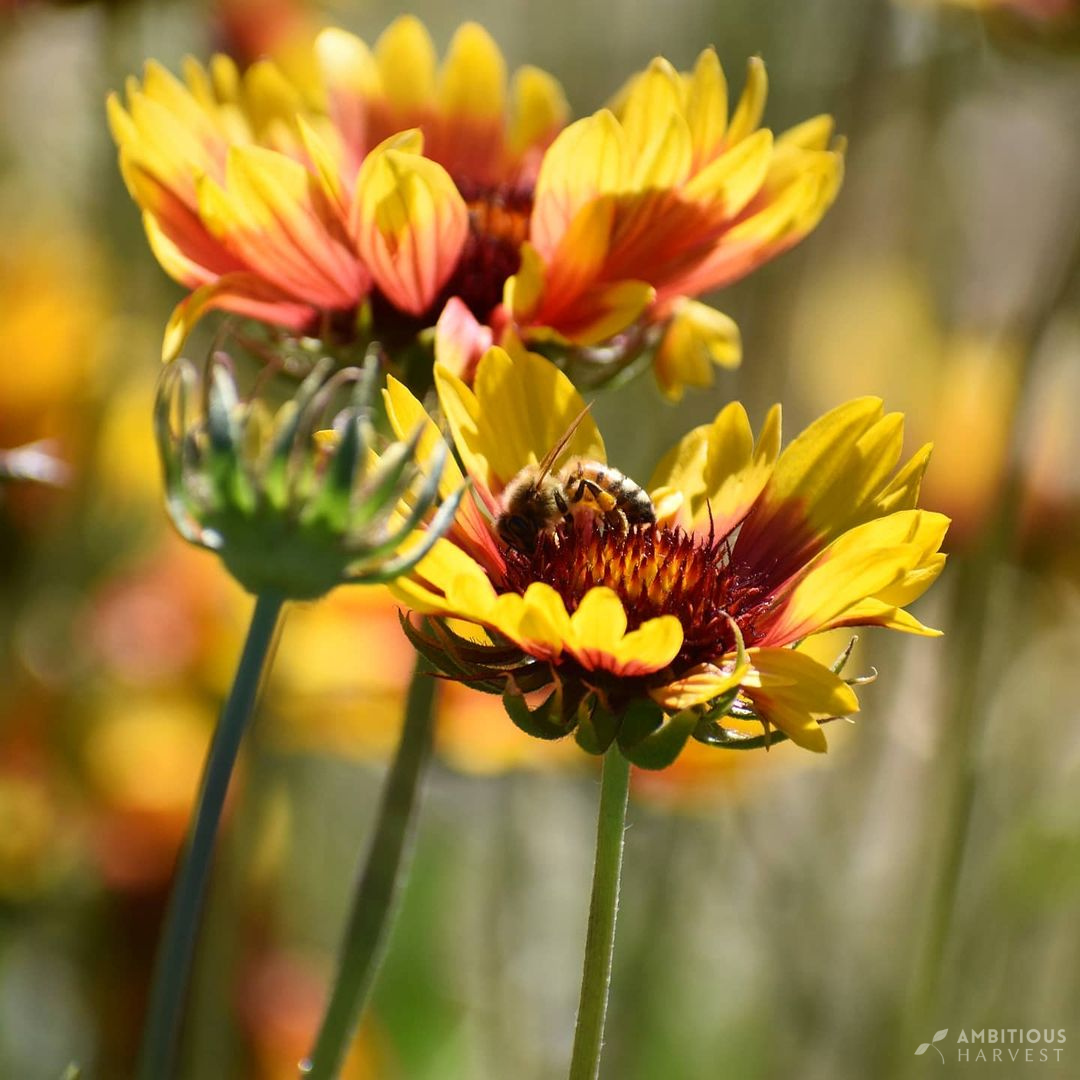
Blanket Flowers are drought-tolerant perennials known for their vivid red and yellow blossoms. They are low-water plants that attract pollinators, making them both beautiful and beneficial.
Planting: Thrives in full sun and well-drained soil. Tolerant of poor soil conditions.
Care: Water regularly until established. Mature plants are drought-tolerant. Deadhead spent blooms to encourage more flowers.
One caveat as you plant: drought-tolerant does not mean zero water, especially in the first year.
Frequently Asked Questions About Drought-Tolerant Plants
How long does it take for drought-tolerant plants to become established?
Most drought-tolerant plants need 1-2 years of regular watering before they become truly low-water. During the first dry season, water weekly or as needed to help roots establish. By the second year, you can reduce watering significantly. By year three, most plants will thrive with minimal supplemental irrigation.
Can I mix drought-tolerant plants with regular garden plants?
It's best to group plants by water needs. Mixing drought-tolerant plants with thirsty species creates problems: either the drought-tolerant plants get overwatered (which can kill them) or the water-loving plants don't get enough. Design your garden in hydrozones with similar water requirements grouped together.
Will drought-tolerant plants survive Santa Cruz County's foggy coastal areas?
Many will, but some prefer drier conditions. Succulents, California poppies, yarrow, and rockrose handle coastal conditions well. Lavender and sagebrush may struggle with persistent fog and humidity. In coastal areas, ensure excellent drainage and choose varieties adapted to maritime climates. Understanding your local microclimate will help you make the best plant choices.
Do drought-tolerant plants need any fertilizer?
Most drought-tolerant plants prefer lean soil and don't need fertilizer. In fact, too much fertilizer can cause weak, leggy growth that's more susceptible to pests and diseases. If your soil is extremely poor, a light application of compost is usually sufficient.
How do I water drought-tolerant plants correctly?
Water deeply but infrequently. Deep watering encourages roots to grow down into the soil, making plants more drought-resistant. Shallow, frequent watering creates shallow roots that dry out quickly. Use drip irrigation or soaker hoses to deliver water directly to root zones without wetting foliage.
Are these plants safe for fire-prone areas?
Some are better than others. Succulents, agaves, and rockroses have high moisture content and are relatively fire-resistant. Lavender, sagebrush, and ornamental grasses can be more flammable due to oils or dry material accumulation. In fire-prone areas, keep plants well-irrigated during fire season, remove dead material, and follow defensible space guidelines.
What's the best time of year to plant drought-tolerant plants in Santa Cruz County?
Fall (October through November) is ideal. Plants establish roots during the cool, rainy season and are better prepared for their first dry summer. Spring planting is acceptable but requires more attention to watering during the first summer.
Can I replace my lawn with these plants?
Absolutely. Many gardeners are replacing water-hungry lawns with drought-tolerant groundcovers and low-growing plants. Yarrow, creeping thyme, and low-growing sedums make excellent lawn alternatives. You can also create a meadow-style planting with California poppies and native grasses that needs mowing only once or twice a year.
Which California natives need the least water once established?
Once established, tough natives like manzanita, ceanothus, and native sages get by largely on rainfall in most Santa Cruz gardens, needing only occasional deep summer soaks. UC Master Gardeners note that established California natives can use a fraction of the water a lawn demands. Give them a well-drained spot, water weekly through the first year, then taper off as their deep roots take hold.
Free Gardening Resources
Water-Wise Gardening Guide. Comprehensive strategies for reducing water use in your Santa Cruz County landscape.
Know Your Microclimate Worksheet. Understand your specific growing conditions to choose the right plants.
Seasonal Garden Tasks Checklist. Year-round maintenance including care for drought-tolerant plants.
Additional Resources
California-Friendly Guide to Native and Drought Tolerant Gardens (PDF)
UC Master Gardeners: Drought and Water-Wise Gardening (UCANR)
UC Davis Arboretum: Water Conservation and Drought Resources
UC Davis Arboretum: 5 Steps for Establishing Drought-Tolerant Plants
How Do You Put It All Together for a Water-Wise California Garden?
There you have it! Ten components of the perfect water-wise garden for California. While it might seem challenging at first, with practice and the right plant choices, you can create a garden that conserves water and flourishes in California. Pairing these water-wise selections with native garden design principles takes your landscape even further, supporting local ecosystems while cutting water use. With the right plant choices, your garden will thrive in California's climate. Focus on integrating these water-saving plants into your garden. This will not only help in water conservation but also ensure a beautiful, blooming garden all year round.