

Spring into Gardening: Tips for Growing the Best Carrots Ever
Get Your Hands Dirty and Grow Sweet, Crunchy Carrots with These Expert Tips


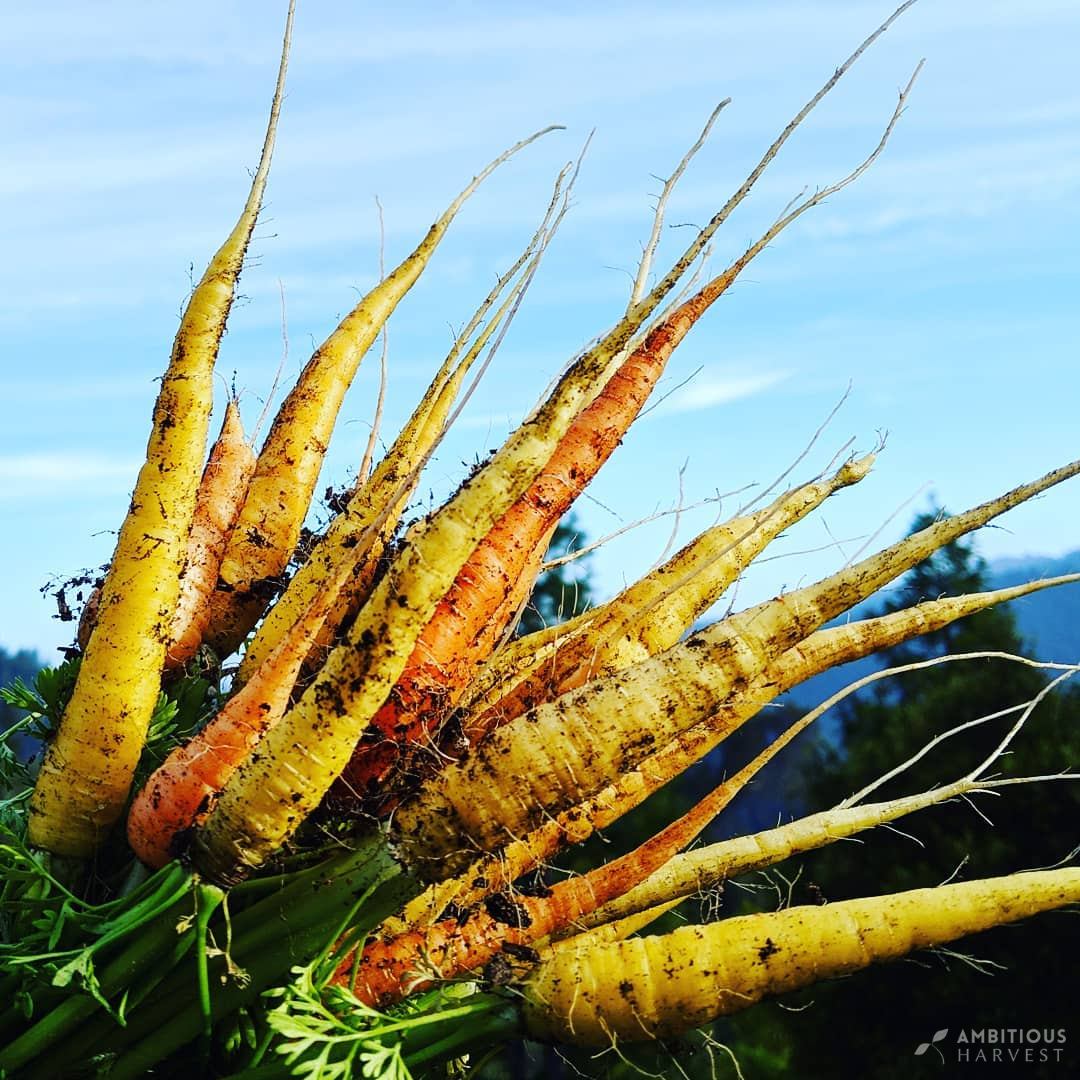
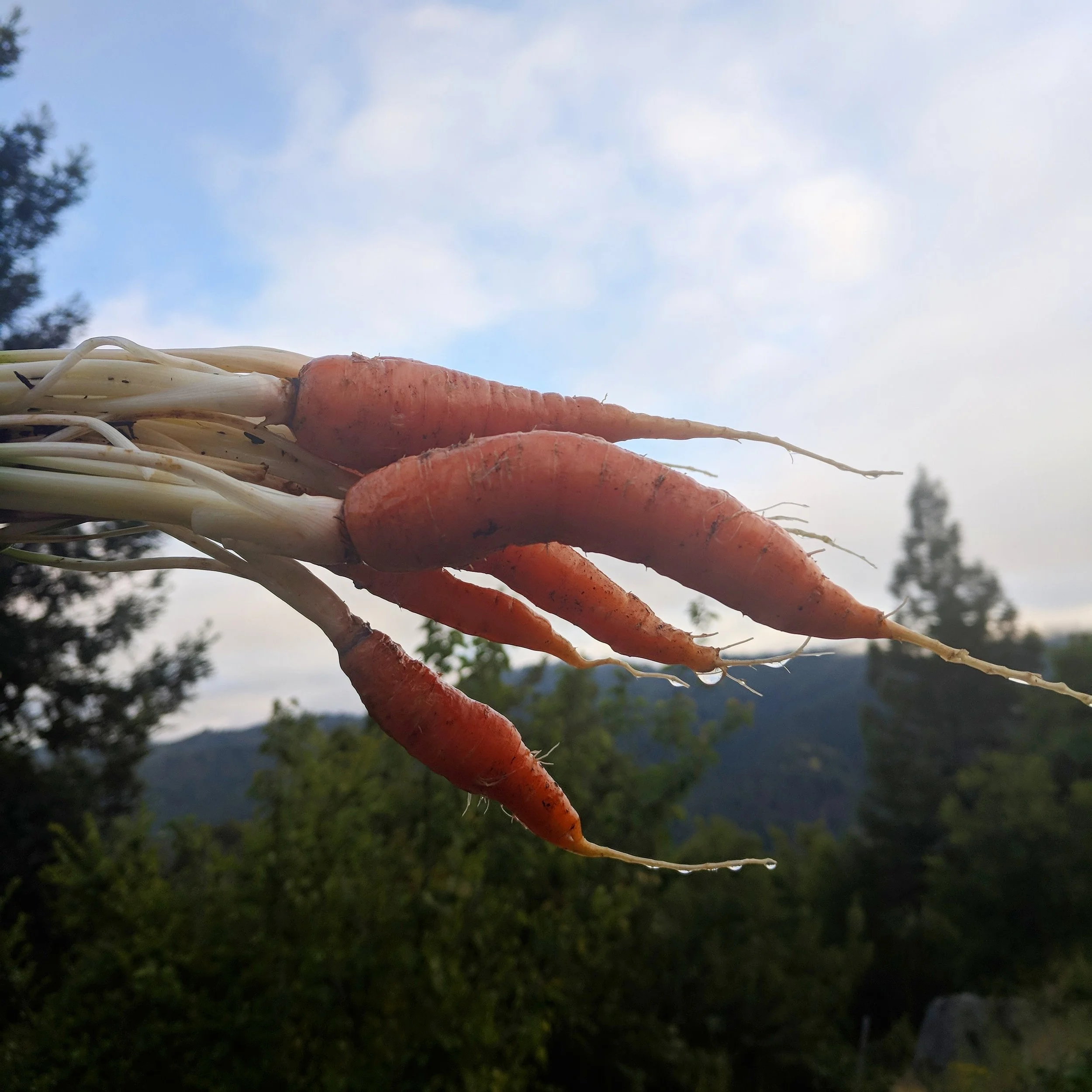


Carrots are one of the most rewarding vegetables to grow. With their bright color, crisp texture, and sweet flavor, they add life to any spring garden. In California’s diverse microclimates, from cool coastal areas to sunny inland valleys, the growing season offers ideal conditions for producing flavorful carrots.
Follow these simple tips to prepare your soil, choose the right varieties, and nurture your carrots from seed to harvest.
The Perfect Soil for Perfect Carrots
Carrots are particular about soil. They thrive in loose, well-drained, nutrient-rich soil with a neutral pH.
In many parts of California, heavier clay soils can restrict root growth and cause misshapen carrots. To fix this:
Mix in coarse sand and compost to improve texture and drainage.
Loosen the soil 10 to 12 inches deep before planting.
Add aged compost or well-rotted manure to enrich nutrients.
Well-prepared soil encourages strong, straight roots and sweet, tender carrots.
Choosing the Right Carrot Varieties
California’s mild climate allows for a wide range of carrot types. Select varieties based on your space and local conditions.
Compact and container-friendly varieties:
Nantes
Little Fingers
Thumbelina
Full-size and garden bed varieties:
Danvers
Imperator
Chantenay
Shorter, quick-maturing carrots perform best in coastal gardens with cooler mornings, while longer-rooted varieties thrive in inland areas with warm days.
When and How to Plant Carrots in California
The best time to sow carrot seeds is early spring, once soil temperatures reach 50°F or higher. In most of the Bay Area and Central Coast, this means February through April.
Plant seeds ¼ inch deep and about 2 inches apart.
Keep rows 12 inches apart for easy weeding and airflow.
Water gently after sowing to avoid washing seeds away.
For a colorful harvest, try mixing several varieties in the same row. Each planting brings a variety of shapes, colors, and flavors to enjoy.
Watering and Moisture Management
Consistent moisture is essential for healthy root development. In California’s dry climate, this can be a challenge, but there are effective, low-water solutions.
Try ollas or drip irrigation.
Ollas are unglazed clay pots buried in the soil and filled with water. They release moisture slowly and directly to the roots, keeping the soil evenly moist while conserving water.
Drip irrigation systems work similarly by targeting the root zone, minimizing waste and leaf wetness.
Keep the soil evenly moist during germination, which takes about 10 to 14 days. Once seedlings emerge, maintain a steady rhythm of deep, infrequent watering.
Caring for Young Carrots
Once seedlings appear, focus on maintaining balance: consistent moisture, low competition, and gentle soil care.
Weed carefully by hand to avoid disturbing roots.
Add a light mulch layer to retain moisture and suppress weeds.
Keep soil moist but not waterlogged.
Carrots grow slowly, so patience and consistency are key.
Managing Pests and Diseases
Carrots can attract pests such as aphids, carrot flies, and wildlife like deer and rabbits. A few simple precautions keep them under control.
Use fencing or netting to deter larger animals.
Plant companions such as onions, leeks, or chives to mask the carrot scent and deter carrot flies.
Encourage beneficial insects like ladybugs and lacewings by planting dill, fennel, or marigolds nearby.
Inspect regularly for signs of damage and remove affected plants early.
Healthy, diverse gardens tend to resist pest problems naturally.
Thinning: The Secret to Plump Carrots
When carrot seedlings reach 1 to 2 inches tall, thin them to about 2 to 3 inches apart. Removing weaker plants ensures that the remaining carrots have enough space to grow large and straight.
This simple step prevents crowding and promotes uniform roots. It might feel like reducing your crop, but it guarantees better results at harvest.
Harvesting Homegrown Carrots
Carrots are ready to harvest when they are about ½ inch thick at the top. Gently loosen the soil with your hand or a garden fork and pull from the base of the greens.
For the sweetest flavor, harvest in the cool morning hours or after a few mild nights. In many parts of California, you can leave mature carrots in the ground slightly longer, harvesting as needed through late summer.
Enjoy your carrots fresh, roasted, or juiced. Nothing compares to the crisp, earthy flavor of a carrot grown in your own soil.
California-Specific Growing Tips
Coastal gardens: Use raised beds to improve drainage and warmth in foggy zones.
Inland gardens: Mulch heavily to conserve moisture and regulate soil temperature.
Succession planting: Sow a new round of seeds every 2 to 3 weeks for a steady harvest.
Crop rotation: Rotate carrots with legumes or leafy greens to maintain soil health.
Understanding your local microclimate helps you grow the best carrots for your area.
Spring in California is the perfect season to plant carrots. With healthy soil, consistent watering, and a little attention to detail, you can enjoy sweet, crunchy carrots all summer long.
Gardening is more than growing food. It is about connection, patience, and sharing abundance with your community.
