

Mulberry Propagation: Cuttings, Grafting, and Layering
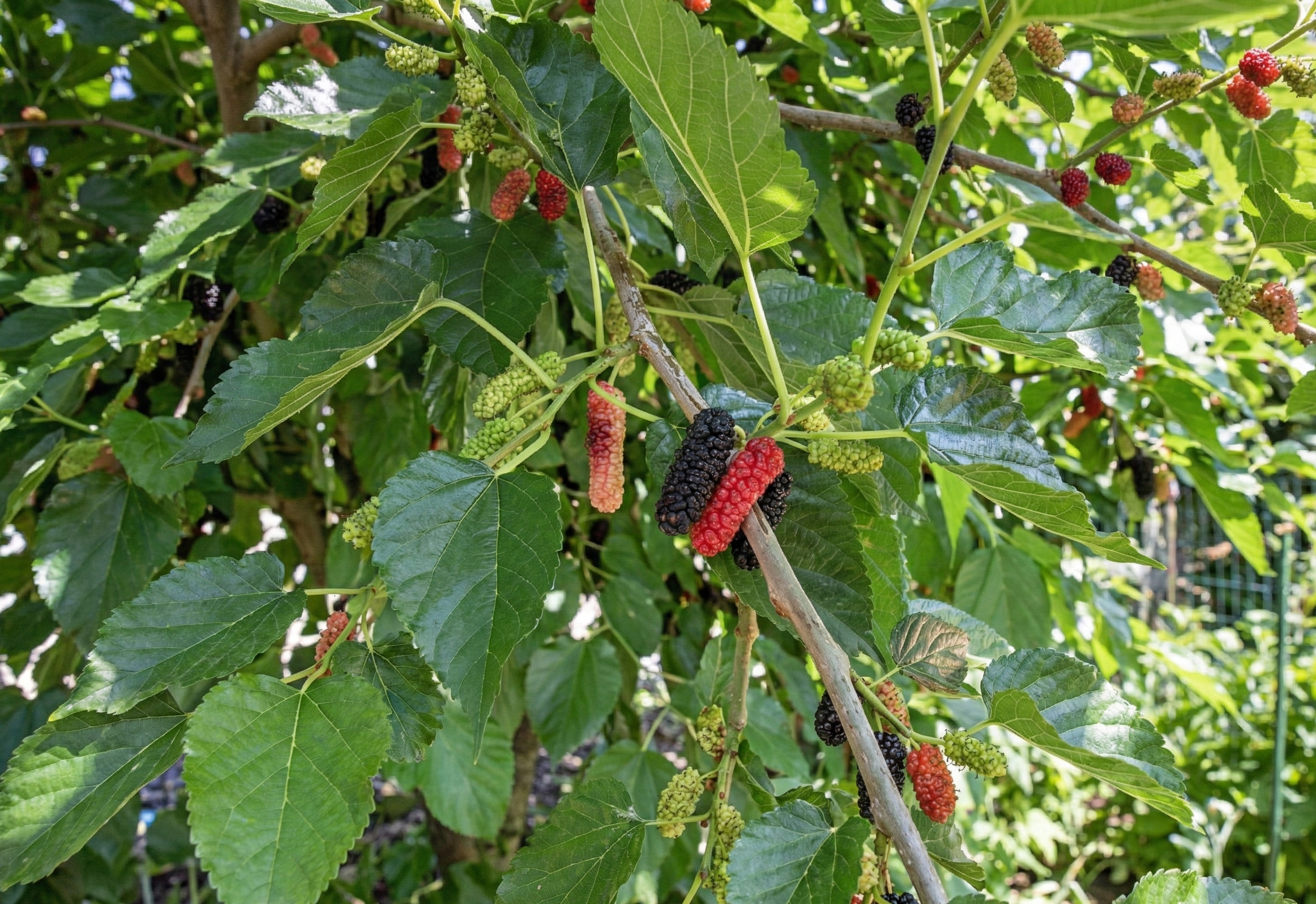
Mulberries are remarkably easy to propagate once you know a few basic techniques, which is good news because the best varieties can be hard to find twice.
The California Rare Fruit Growers note that mulberries can be propagated by several methods, giving home gardeners options depending on their skills, equipment, and what plant material they have access to. Whether you want to clone a neighbor's exceptional tree, multiply your own favorite variety, or convert a bland seedling into something worth growing, there's a propagation method that fits.
This guide covers the most reliable ways to propagate mulberries for Santa Cruz County gardens: tip layering, hardwood cuttings, and grafting. If you're just getting started with these trees, our guide to growing mulberries in Santa Cruz covers the basics of site selection and care.
How Do You Know If a Mulberry Tree Is Worth Cloning?
Not every mulberry deserves to be multiplied. Before investing time in propagation, ask yourself a few questions.
Start with Quality
CRFG notes that mulberries grown from seed can take ten years or more to bear. Seedlings and chance trees can also be variable or bland, so propagate only from a tree whose fruit you have actually tasted. That volunteer mulberry in your neighbor's yard might look productive, but if you haven't tasted the fruit, you might be cloning mediocrity.
Taste first. If the fruit is exceptional, proceed. If it's bland or you're unsure of the variety, consider buying a named cultivar instead.
Avoid Propagating Sick Trees
Viruses and other systemic problems can move with scion wood, cuttings, or root pieces. Signs of trouble include:
Mosaic patterns (irregular yellow and green mottling) on leaves
Chronic dieback that doesn't respond to improved care
Stunted growth or mystery decline
Deformed or consistently poor fruit
Extension guidance is to start with certified, virus-free planting stock, so propagating from infected plants just creates more infected plants. If a tree shows these symptoms, don't propagate from it. For more on identifying and solving common issues, see our guide to troubleshooting mulberry problems.
Named Varieties vs. Unknown Trees
If you have access to a named variety like 'Pakistan,' 'Black Beauty,' or 'Illinois Everbearing,' propagating it gives you a known quantity. Not sure which varieties do well here? Check our guide to the best mulberry varieties for Santa Cruz. If you're working with an unknown tree, you're gambling on fruit quality. The propagation techniques are the same either way, but your results will only be as good as your source material.
How Do You Propagate Mulberries by Tip Layering?
If you've never propagated a fruit tree before, tip layering is the place to start. It's nearly foolproof, requires no special equipment, and produces a rooted plant while still attached to the parent tree.
Why Tip Layering Works
Many mulberries, especially vigorous alba and macroura types like 'Pakistan,' will root where branch tips contact moist soil. This is similar to how blackberries propagate naturally, and the technique works the same way.
The branch stays attached to the parent tree, receiving water and nutrients while it develops its own root system. Once rooted, you simply cut it free and transplant.
Step-by-Step Tip Layering
Timing: Mid to late summer, when growth is active and soil is warm.
1. Select a branch. Choose a healthy, flexible branch low on the tree. Young, vigorous growth works best. The branch needs to be long enough to reach the ground or a nearby pot.
2. Prepare the rooting spot. Either scrape a shallow depression in the ground and loosen the soil, or position a pot filled with moist potting mix where the branch tip will reach.
3. Bury the tip. Bend the branch tip down and bury 4-6 inches of the tip under 2-4 inches of soil or potting mix. You can wound the buried portion lightly (scrape the bark) to encourage rooting, though this isn't always necessary.
4. Secure it. Pin the buried section in place with a U-shaped wire, a rock, or a brick. The tip should stay buried; the rest of the branch remains above ground and attached to the tree.
5. Keep it moist. Water regularly to keep the rooting area consistently moist but not waterlogged. In warm soil, roots typically form within a few months.
6. Check for roots. In late fall, gently tug the buried tip. If it resists, roots have formed. You can also carefully dig to inspect.
7. Separate and transplant. In late fall or the following winter (while dormant), cut the branch a few inches above the rooted section. Dig up the new plant with its roots and move it to its permanent location.
Best Candidates for Tip Layering
Tip layering works best on:
Vigorous white mulberry (Morus alba) varieties
Pakistan-type mulberries (Morus macroura)
Hybrid varieties like 'Illinois Everbearing'
Any mulberry with long, flexible branches
Black mulberries (Morus nigra) can be layered but are sometimes slower to root. For black mulberries, grafting is often more reliable. Once your new trees are established and producing, see our guide to harvesting and using mulberries for tips on getting the most from your harvest.
How Do You Root Mulberry Hardwood Cuttings?
Hardwood cuttings let you create multiple new plants from a single dormant branch. This method works well for vigorous white mulberries and hybrids, though success rates vary.
How Hardwood Cuttings Work
CRFG lists hardwood, softwood, and root cuttings as suitable methods for mulberries, and notes that softwood cuttings of white mulberry root easily. You're essentially convincing a piece of dormant stem to produce roots before it leafs out, creating an independent plant.
Step-by-Step Hardwood Cuttings
Timing: Winter, while the tree is fully dormant (December through February in Santa Cruz County).
1. Select cutting wood. Choose pencil-thick shoots from the current year's growth (one-year wood). Look for healthy, vigorous stems without damage or disease.
2. Take cuttings. Cut 6-10 inch sections. Make the bottom cut just below a node (where a leaf was attached) and the top cut just above a node. This helps you remember which end is which.
3. Remove leaves and side twigs. Strip any remaining leaves or small side branches.
4. Apply rooting hormone (optional). Dip the basal (bottom) end in rooting hormone powder or gel. This isn't strictly necessary but improves success rates, especially for harder-to-root varieties.
5. Stick cuttings. Insert cuttings into deep pots or a nursery bed filled with well-drained medium (equal parts sand and compost works well). Bury the bottom half of each cutting, leaving the top half exposed.
6. Provide appropriate conditions. Keep cuttings evenly moist but not waterlogged. Protect from full hot sun and drying winds. A shaded cold frame or sheltered spot against a north-facing wall works well.
7. Wait for growth. Root and bud growth should appear in spring as temperatures warm. Don't disturb cuttings until you see strong new growth.
8. Transplant. Once cuttings have rooted and produced several inches of new growth, they can be transplanted to larger containers or their permanent locations. This is usually the following fall or winter.
Success Rates and Species Differences
Hardwood cutting success varies by species:
White mulberry (Morus alba) and hybrids: Generally root well from hardwood cuttings. Take more cuttings than you think you need, because a share of them will fail.
Pakistan-type (Morus macroura): Usually roots readily from cuttings.
Black mulberry (Morus nigra): Can be slower and more finicky from cuttings. Many growers find layering or grafting more reliable for black mulberries.
If your first attempt doesn't succeed, try again the following year with more cuttings. Propagation is partly a numbers game.
How Do You Graft New Varieties onto a Mulberry Tree?
Grafting lets you convert a seedling or inferior tree into a named variety, or add multiple varieties to a single tree. It's more technical than layering or cuttings but opens possibilities the other methods can't match.
Why Graft Mulberries?
CRFG notes that sprig budding is the most common way to graft mulberries, and that other grafts usually succeed. Reasons to graft include:
Converting a seedling: That volunteer mulberry with bland fruit can become a 'Pakistan' or 'Black Beauty' with the right scion wood.
Adding varieties: Graft multiple cultivars onto one tree for variety in a small space.
Using vigorous rootstock: white mulberry seedlings are the usual rootstock. CRFG warns there may be incompatibility between white and black mulberries, so if you graft black onto white, graft several and expect some to fail.
Replacing damaged tops: A tree with a damaged canopy but healthy roots can be bark-grafted with new scion wood.
Timing and Materials
Best season: Late winter or very early spring, when rootstocks are just beginning to become active but scion wood is still dormant. In Santa Cruz County, this is typically February through early March.
Rootstocks: Seedling white mulberries (Morus alba) or local seedling trees commonly serve as rootstocks for named cultivars. White mulberry rootstock is vigorous and adaptable, though CRFG notes possible incompatibility between white and black mulberries.
Scion wood: Collect dormant scion wood in winter from the variety you want to propagate. Choose pencil-thick, one-year growth with healthy buds. Store wrapped in damp paper towels in the refrigerator until grafting time.
Basic Grafting Methods
Whip-and-tongue graft (for small rootstocks):
Best when rootstock and scion are similar diameter (pencil-thick). Make matching diagonal cuts on both rootstock and scion, then cut a "tongue" into each cut surface so they interlock. Bind tightly with grafting tape or parafilm and seal exposed cuts with grafting wax.
Bark graft (for larger rootstocks or top-working):
Used on larger diameter rootstocks or when converting an established tree. Cut the rootstock horizontally, then make vertical slits through the bark. Slide scion wood (cut to a long wedge on one side) under the bark and secure with tape and grafting wax.
Cleft graft (alternative for larger rootstocks):
Split the cut rootstock down the center and insert wedge-cut scions into the split. Works well for top-working established trees.
Learning to Graft
Grafting is best learned hands-on. The California Rare Fruit Growers (CRFG) organization holds scion exchanges and grafting workshops where you can learn techniques from experienced grafters and obtain scion wood for unusual varieties. The Monterey Bay chapter covers our area and is an excellent resource.
Many local nurseries and Master Gardener programs also offer grafting workshops in late winter. UC ANR's guide to grafting and budding provides detailed illustrations of these techniques for home gardeners.
Can You Grow Mulberries from Suckers or Seedlings?
Mulberries sometimes produce volunteer plants that tempt gardeners into easy propagation. Understand the limitations before relying on these.
Seedlings
White mulberries and some hybrids produce abundant seeds that germinate readily. You may find seedlings popping up under or near established trees.
CRFG notes that seedling white mulberries are hardy but often have variable or bland fruit. Growing a seedling to fruiting size (several years) only to discover mediocre fruit is frustrating.
Best use for seedlings: Treat them as rootstock for grafting rather than as fruiting trees. A vigorous seedling can be grafted with a named variety, giving you the best of both worlds.
Root Suckers
Some mulberries, particularly white mulberry, can produce suckers from roots. These are clones of the parent tree (unlike seedlings, which are genetically variable).
If you know the parent tree produces excellent fruit, suckers can be dug and transplanted. However, severing suckers damages both the sucker's roots and the parent tree's root system. Layering or cuttings are usually gentler methods for cloning a good tree.
Why Are Hygiene and Record-Keeping Important for Propagation?
Good practices prevent problems and confusion.
Sanitation
Clean your pruning tools between trees to reduce disease spread. A quick wipe with rubbing alcohol or a 10% bleach solution is sufficient. This is especially important if you're taking cuttings or scion wood from multiple trees.
Labeling
Mulberry cultivars are easily mixed up if not labeled at planting. Tag new plants immediately with:
Variety name
Source (which tree or where you got scion wood)
Date of propagation
Propagation method
A plant label that says "'Pakistan' from Smith's tree, layered July 2026" is far more useful than an unlabeled tree you will struggle to identify in three years.
Frequently Asked Questions
What's the easiest way to propagate a mulberry?
Tip layering. Bend a flexible branch to the ground, bury the tip, keep it moist, and cut it free once rooted. Nearly foolproof for vigorous varieties.
Can I root mulberry cuttings in water?
Sometimes, but success is inconsistent and water-rooted cuttings often struggle when transplanted to soil. Rooting in a soil-based medium produces more robust plants.
Why won't my black mulberry root from cuttings?
Black mulberry (Morus nigra) is notoriously difficult to root from cuttings. Try layering instead. Grafting black mulberry scion onto white mulberry rootstock is possible, but CRFG warns the two can be incompatible.
When should I take mulberry cuttings?
For hardwood cuttings, take them in winter while the tree is dormant. For tip layering, start in mid to late summer when growth is active.
Can I graft different mulberry species together?
Usually. White mulberry rootstock is commonly used because of its vigor, but CRFG notes that white and black mulberries can be incompatible, so test a few grafts before committing a whole tree to one combination.
How long until a propagated mulberry produces fruit?
Layered, cutting-grown, and grafted trees all bear far sooner than seedlings, which CRFG says can take ten years or more. Grafted trees are usually quickest, because the scion wood is already mature.
Where can I get scion wood for named varieties?
CRFG scion exchanges are the best source for unusual varieties. Some specialty nurseries also sell scion wood. Local fruit-growing groups often share among members.
Start Propagating This Season
Mulberry propagation is one of those satisfying gardening skills that pays dividends for years. One successful layering project or a handful of rooted cuttings can give you trees to plant throughout your property, share with neighbors, or trade at local plant swaps.
If you've never propagated a fruit tree before, mulberries are forgiving teachers. Start with tip layering this summer on any vigorous branch you can bend to the ground. By next winter, you'll have a rooted plant ready to transplant, and you'll understand the process well enough to try cuttings or even grafting.
The best mulberry varieties are worth multiplying. Once you've tasted fruit from a great tree, you'll want more of them, and now you know how to make that happen. If you're thinking about where to plant your new trees, consider how mulberries fit into a permaculture garden design.
Free Gardening Resources
Know Your Microclimate Worksheet: Understand your specific Santa Cruz County growing conditions
Seasonal Planting Calendar: Month-by-month guidance for Santa Cruz County
