

Are Microgreens Actually More Nutritious? What the Research Says
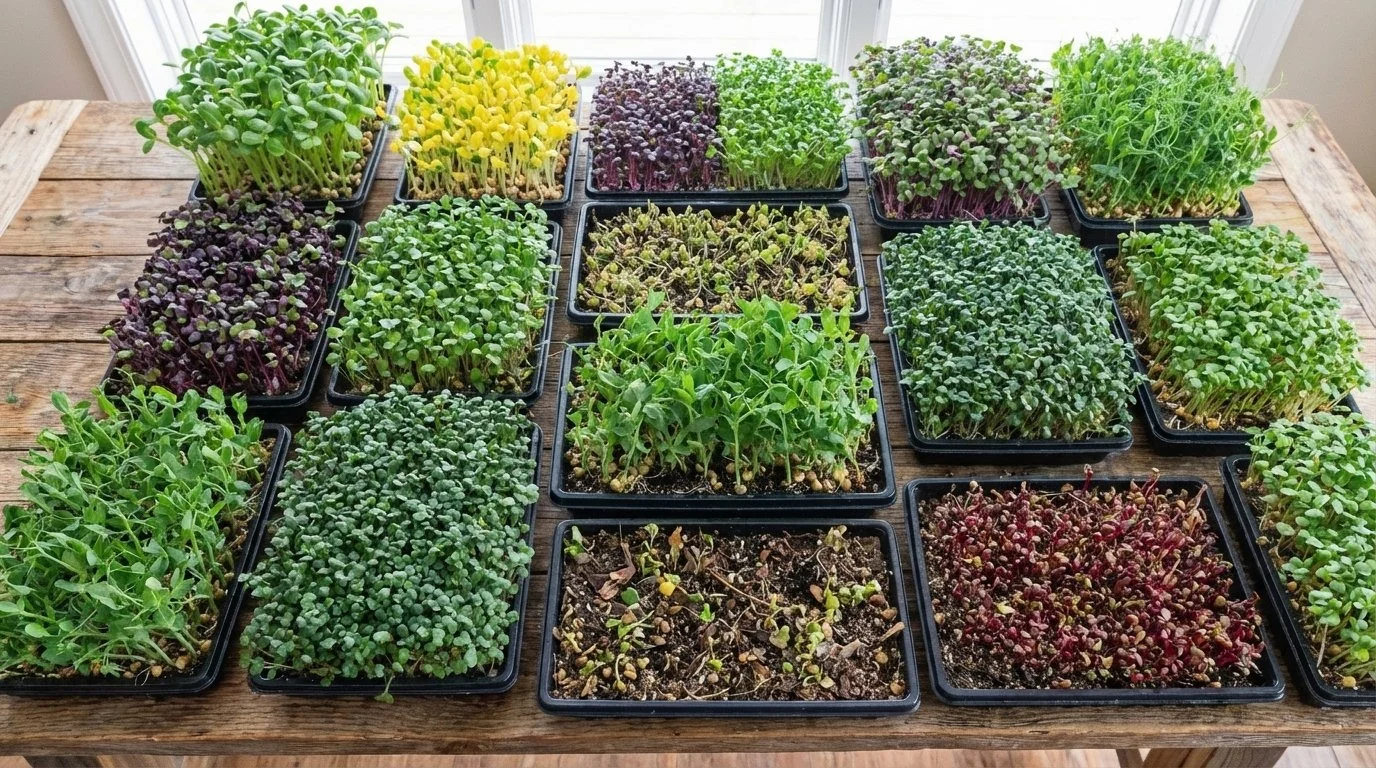
Yes, microgreens are genuinely more nutrient-dense than their mature counterparts, according to the most comprehensive study on the subject. Researchers at the University of Maryland and the USDA Agricultural Research Service analyzed 25 commercially grown microgreen varieties and found that microgreen cotyledon leaves contained 4 to 40 times higher concentrations of vitamins C, E, and K, as well as beta-carotene, compared to mature leaves of the same plants (Xiao et al., Journal of Agricultural and Food Chemistry, 2012). However, context matters: microgreens are eaten in small quantities, so their real-world nutritional impact depends on how much and how often you eat them.
What Did the Landmark Microgreen Study Actually Find?
The 2012 study by Zhenlei Xiao and colleagues at the University of Maryland, in collaboration with the USDA, is the most frequently cited research on microgreen nutrition. It deserves a careful look because many popular claims about microgreens exaggerate or misrepresent its findings.
The researchers grew 25 commercially available microgreen varieties under controlled greenhouse conditions. They measured four groups of nutrients in the cotyledon leaves: ascorbic acid (vitamin C), tocopherols (vitamin E), phylloquinone (vitamin K1), and carotenoids (including beta-carotene, lutein, zeaxanthin, and violaxanthin).
Key findings from the study:
The range was wide. Nutrient concentrations in microgreens varied enormously by variety. The "4 to 40 times more concentrated" figure that gets repeated in popular media represents the full range across all varieties and all nutrients measured. Some microgreens were only modestly more nutrient-dense than their mature counterparts, while others showed dramatic differences.
Red cabbage stood out for vitamin C. Red cabbage microgreens contained approximately 6 times more vitamin C than mature red cabbage and about 69 times more vitamin K. This made red cabbage one of the most nutrient-dense microgreens in the study.
Cilantro microgreens were high in carotenoids. Cilantro (coriander) microgreens showed exceptionally high concentrations of lutein, beta-carotene, and zeaxanthin, all carotenoid pigments associated with eye health and antioxidant activity.
Radish microgreens scored well for vitamin E. Among the 25 varieties tested, radish microgreens (specifically China Rose radish) were among the highest in alpha-tocopherol, the most biologically active form of vitamin E.
Green daikon radish was broadly nutritious. Green daikon radish microgreens ranked in the top group across multiple nutrient categories, making it one of the most nutritionally well-rounded varieties tested.
Not all microgreens were dramatically higher. Some varieties showed more modest differences. Popcorn shoots (corn microgreens), for example, had the lowest overall nutrient concentrations among the varieties tested. The researchers noted that nutrient density correlated somewhat with leaf color: the most vibrantly colored microgreens (deep reds, purples, and dark greens) tended to be the most nutrient-dense. For a deeper look at which varieties to grow, see our guide to the best microgreen varieties to grow at home.
It is important to note what the study did not measure: minerals (iron, calcium, zinc), protein, fiber, or the many other phytochemicals present in plants. The four nutrient groups measured, while important, represent only a fraction of the total nutritional picture.
Why Are Microgreens More Nutrient-Dense Than Mature Plants?
The biological explanation for microgreen nutrient density is straightforward and well-understood by plant scientists.
Seeds contain a concentrated store of nutrients to fuel the early stages of growth. When a seed germinates, it mobilizes those stored nutrients into the developing cotyledons (seed leaves). At the microgreen stage, the plant has concentrated nutrients from the seed into a small amount of leaf tissue, but it has not yet diluted those nutrients across the extensive leaf area, stems, and structures of a mature plant.
UC Agriculture and Natural Resources researchers describe this as a concentration effect. According to a UC ANR microgreens fact sheet, microgreens contain four to six times more nutrients than the full-grown variety, including vitamins, minerals, enzymes, and phytonutrients. The same total nutrients are present, but they are packed into a much smaller volume of plant tissue. As the plant grows, those nutrients are distributed across more biomass, which means the concentration per gram of leaf tissue decreases.
Additionally, the cotyledon leaves of many plants produce protective pigments and antioxidant compounds at high levels during the vulnerable early growth stage. Carotenoids, anthocyanins, and other phytochemicals help protect young plant tissue from light damage and environmental stress. These are the same compounds that contribute to the nutritional value of microgreens.
Light exposure during the growing phase (after the blackout period) stimulates the production of chlorophyll, carotenoids, and other light-responsive compounds. This is one reason why microgreens, which are grown in light, tend to have higher concentrations of certain nutrients than sprouts, which are grown in the dark.
What Specific Nutrients Do Different Microgreen Varieties Provide?
Here is a variety-by-variety breakdown of the most notable nutritional findings from published research.
Vitamin C (Ascorbic Acid)
Top microgreen sources: Red cabbage, garnet amaranth, green daikon radish
Red cabbage microgreens were the standout for vitamin C in the Xiao et al. study. Vitamin C is an essential antioxidant involved in immune function, collagen synthesis, and iron absorption. It is also one of the most unstable vitamins, degrading with heat, light, and time after harvest. This is where home-grown microgreens have a genuine advantage: harvesting and eating them immediately preserves more vitamin C than store-bought produce that may have been harvested days or weeks earlier.
Vitamin E (Tocopherols)
Top microgreen sources: Green daikon radish, China Rose radish, red cabbage
Vitamin E is a fat-soluble antioxidant that protects cell membranes. The Xiao et al. study found that radish microgreens were particularly high in alpha-tocopherol. Since vitamin E is fat-soluble, pairing microgreens with a source of healthy fat (olive oil in a salad dressing, avocado, or nuts) improves absorption.
Vitamin K (Phylloquinone)
Top microgreen sources: Red cabbage, garnet amaranth, cilantro
Vitamin K1 is essential for blood clotting and bone health. Red cabbage microgreens showed dramatically high vitamin K1 concentrations. Note: individuals taking blood-thinning medications like warfarin should be aware of vitamin K intake from microgreens and consult their healthcare provider, as vitamin K can interfere with these medications.
Carotenoids (Beta-Carotene, Lutein, Zeaxanthin)
Top microgreen sources: Cilantro, garnet amaranth, red cabbage, green daikon radish
Carotenoids are pigments with antioxidant properties. Beta-carotene is a precursor to vitamin A. Lutein and zeaxanthin are concentrated in the retina of the eye and are associated with reduced risk of age-related macular degeneration, according to research reviewed by the National Institutes of Health. Cilantro microgreens stood out for their exceptionally high carotenoid concentrations. Like vitamin E, carotenoids are fat-soluble and best absorbed when eaten with dietary fat.
Sulforaphane (Broccoli Specifically)
Research from Johns Hopkins University, led by Dr. Paul Talalay and colleagues, brought attention to sulforaphane, an isothiocyanate compound found in cruciferous vegetables. Their early research focused primarily on broccoli sprouts, finding that 3-day-old broccoli sprouts contained 10 to 100 times more sulforaphane precursor (glucoraphanin) by weight than mature broccoli heads (Fahey et al., Proceedings of the National Academy of Sciences, 1997).
Broccoli microgreens also contain sulforaphane, though the concentrations may differ from sprouts depending on the growth stage and conditions. Sulforaphane has been studied extensively in cell and animal models for potential roles in cancer prevention, anti-inflammatory effects, and other health outcomes. While the preclinical research is promising, it is important to note that most human clinical trials are still ongoing or have produced mixed results. Eating broccoli microgreens is a reasonable dietary choice, but specific health claims should not be overstated based on current evidence.
How Does Microgreen Nutrition Compare to Other Superfoods?
The term "superfood" has no official scientific or regulatory definition. It is a marketing term. That said, it is fair to ask how microgreens compare nutritionally to other nutrient-dense foods that receive similar attention.
Microgreens vs. mature greens (spinach, kale). On a per-gram basis, the most nutrient-dense microgreens (like red cabbage and cilantro) contain higher concentrations of certain vitamins than mature spinach or kale. However, people typically eat much larger portions of mature greens than microgreens. A cup of spinach weighs about 30 grams; a typical serving of microgreens might be 5 to 10 grams. The larger portion of mature greens often delivers more total nutrients per serving, even if the concentration per gram is lower.
Microgreens vs. sprouts. Both are nutrient-dense, but they provide somewhat different nutrient profiles. Microgreens, grown in light, tend to be higher in vitamins C, E, K, and carotenoids. Sprouts, eaten whole with the seed, tend to provide more protein and fiber. (See our guide to growing sprouts at home safely.) Broccoli sprouts may have higher sulforaphane concentrations than broccoli microgreens, based on available research.
Microgreens vs. wheatgrass. Wheatgrass juice has been promoted for decades as a health food, but published research on its benefits is limited. A small number of studies have explored wheatgrass for specific conditions, but the evidence is not strong enough to support the broad health claims often made. Microgreens, by contrast, have more robust published data on their nutrient content.
Microgreens are a genuinely nutritious addition to your diet. They are not a magic bullet, and they should not replace a varied diet rich in fruits, vegetables, whole grains, and other whole foods. Think of them as a concentrated nutritional supplement that you grow on your kitchen counter.
Does Growing Method Affect Microgreen Nutrition?
Yes, growing conditions influence the nutritional content of microgreens. Several factors matter:
Light. Research has shown that light intensity and duration affect nutrient concentrations in microgreens. A 2013 study by Samuoliene and colleagues in the Central European Journal of Biology found that LED irradiance level changed the growth and nutritional quality of Brassica microgreens, with 330 to 440 micromoles per square meter per second producing the largest leaf area, the lowest nitrate content, and the highest anthocyanins, phenols, and free-radical scavenging capacity. Generally, adequate light exposure after the blackout phase is important for developing full nutrient potential, particularly for carotenoids and vitamin C, which are light-dependent.
Growing medium. Some research has compared nutrient content of microgreens grown in soil-based media versus hydroponic systems. Results vary, but soil-based growing generally supports good nutrient development. For home growers, a quality seed-starting mix provides adequate nutrition for the short growing period of microgreens, as noted by UC Master Gardener advisors.
Harvest timing. The growth stage at harvest affects nutrition. The Xiao et al. study measured nutrients at the cotyledon stage. As microgreens develop true leaves and grow larger, nutrient concentrations may begin to dilute. Harvesting at the recommended stage (cotyledons fully open, first true leaves just emerging) appears to capture peak nutrient density.
Seed quality. Fresh, viable seeds from reputable sources produce healthier, more vigorous microgreens. Old or improperly stored seeds may produce weaker plants with potentially lower nutrient content, though this has not been extensively studied.
Freshness after harvest. This may be the most important factor for home growers. Vitamin C degrades significantly after harvest, with losses accelerating with time, temperature, and light exposure. Research on mature vegetables shows that vitamin C content can drop by 15 to 55% within a week of harvest, depending on storage conditions (Lee and Kader, Postharvest Biology and Technology, 2000). Home-grown microgreens harvested minutes before eating deliver maximum vitamin C content, a clear advantage over store-bought microgreens or mature produce that has traveled for days.
For Santa Cruz home growers, this freshness advantage is one of the strongest nutritional arguments for growing your own microgreens. Our guide to year-round indoor growing in California covers how to keep a continuous supply going in any season. No store-bought product, no matter how high-quality, can match the nutrient content of microgreens eaten within minutes of harvest. The UC Master Gardener program recommends microgreens as an ideal indoor winter crop for exactly this reason.
What Are the Limitations of Microgreen Nutrition Research?
The research still has gaps worth naming.
Limited number of studies. While the Xiao et al. 2012 study is robust, the total body of research on microgreen nutrition is still relatively small compared to the research base for mature vegetables. More studies with different growing conditions, varieties, and measured nutrients would strengthen our understanding.
Most research measures nutrient concentration, not bioavailability. Nutrient concentration (how much of a nutrient is present per gram) is not the same as bioavailability (how much your body actually absorbs and uses). Factors like the food matrix, cooking method, and what else you eat with the microgreens all affect absorption. Very little research has specifically studied the bioavailability of nutrients from microgreens in human subjects.
Serving sizes are small. The dramatic "40 times more concentrated" figure loses some practical significance when you consider that a typical microgreen serving is 5 to 15 grams, while a serving of mature salad greens might be 50 to 100 grams. Concentration matters, but total intake also matters.
Mineral content is understudied. Most microgreen nutrition research has focused on vitamins and antioxidant compounds. Minerals like iron, calcium, magnesium, and zinc have received less attention in published microgreen studies.
Health outcome studies are lacking. We have good data on what nutrients microgreens contain, but very little published research directly measures health outcomes (disease risk reduction, improved biomarkers) from microgreen consumption specifically. The health benefits of the individual nutrients found in microgreens are well-established from broader nutrition research, but the specific contribution of microgreens to health outcomes has not been isolated in clinical studies.
None of this diminishes the genuine nutritional value of microgreens. It simply means that the most extreme health claims sometimes made about microgreens (cancer prevention, detoxification, disease reversal) go beyond what the current evidence supports.
How Can You Maximize the Nutritional Value of Your Microgreens?
Based on what the research does tell us, here are practical strategies:
Grow the most nutrient-dense varieties. Red cabbage, cilantro, radish, garnet amaranth, and green daikon radish consistently rank highest across multiple nutrient categories. If nutrition is your primary goal, focus on these.
Eat them raw. Heat degrades vitamin C and can affect other heat-sensitive nutrients. Using microgreens as raw garnishes, salad additions, or smoothie ingredients preserves maximum nutritional value.
Eat them fresh. Harvest and eat microgreens as close together as possible. The freshness advantage of home-grown microgreens is one of their strongest nutritional selling points.
Pair with healthy fats. Vitamins E and K, as well as carotenoids, are fat-soluble. Eating microgreens with olive oil, avocado, nuts, or other fat sources improves absorption of these nutrients.
Eat a variety. Different microgreen varieties provide different nutrient profiles. Rotating through several varieties gives you the broadest nutritional benefit. A weekly rotation of red cabbage, radish, broccoli, and cilantro microgreens covers a wide range of vitamins and phytochemicals.
Ensure adequate light during growing. Give your microgreens strong light exposure after the blackout phase to support the development of chlorophyll, carotenoids, and other light-dependent nutrients.
Frequently Asked Questions
Can microgreens replace mature vegetables in your diet?
No. Microgreens are a nutritious supplement to a varied diet, not a replacement for larger portions of mature vegetables, fruits, and whole grains. The small serving sizes of microgreens mean that while nutrient concentrations per gram are high, your total nutrient intake from a typical microgreen serving is modest. Think of microgreens as a nutritional bonus on top of the vegetables you already eat, not a substitute for them.
Are organic microgreens more nutritious than conventionally grown ones?
The research is not clear-cut. Some studies on mature vegetables have found slightly higher antioxidant levels in organically grown produce, while others have found no significant difference. No large-scale studies have specifically compared organic versus conventional microgreens for nutrient content. For home growers, using organic seed-starting mix and untreated seeds is a reasonable choice, but the most important nutritional factor is freshness at the time of eating, not the organic status of your growing medium.
Do frozen or dried microgreens retain their nutritional value?
Freezing preserves many nutrients reasonably well, though the texture of microgreens suffers significantly (they become limp and watery when thawed). Frozen microgreens work in smoothies but not as fresh garnishes. Drying microgreens causes significant loss of heat-sensitive and light-sensitive nutrients, particularly vitamin C. For maximum nutrition, eat microgreens fresh. If you have a surplus, freezing is preferable to drying from a nutritional perspective.
Are broccoli microgreens as beneficial as broccoli sprouts for sulforaphane?
The published research on sulforaphane has primarily studied broccoli sprouts rather than broccoli microgreens. Sprouts (harvested at 3 to 5 days) may contain higher concentrations of glucoraphanin (the sulforaphane precursor) than microgreens (harvested at 8 to 12 days), based on available data. However, both contain the compound, and both are reasonable dietary choices. If maximizing sulforaphane intake is your specific goal, broccoli sprouts may have a slight advantage, but broccoli microgreens offer a broader range of other nutrients due to their more developed leaf tissue.
How much microgreen should you eat daily for nutritional benefit?
There is no established recommended daily intake for microgreens. Most nutrition researchers would suggest that any regular consumption of microgreens is beneficial as part of a varied diet. A practical target for home growers is one small handful (about 10 to 15 grams, or roughly half a cup loosely packed) per day. This amount is easily achievable if you maintain one or two trays in rotation. Consistency matters more than quantity. A small amount eaten regularly is more beneficial than occasional large servings.
Is the "40 times more nutritious" claim about microgreens accurate?
The claim originates from the Xiao et al. 2012 study, which found that certain microgreen varieties contained up to approximately 40 times higher concentrations of specific nutrients (not all nutrients) compared to mature plant leaves. The figure represents the upper end of the range for the most nutrient-dense variety and the most concentrated nutrient measured. Many varieties showed more modest differences. The claim is technically supported by the data but is often presented out of context. A more accurate summary is that microgreens are consistently more nutrient-dense than mature plants, with the degree of difference varying widely by variety and nutrient.
Want to start growing your own nutrient-dense microgreens at home? Download our free California Growing Guide at ambitiousharvest.com/your-garden-toolkit for step-by-step growing instructions, variety recommendations, and seasonal tips for Santa Cruz and coastal California.
