

Meyer Lemon vs. Eureka Lemon: Which to Grow
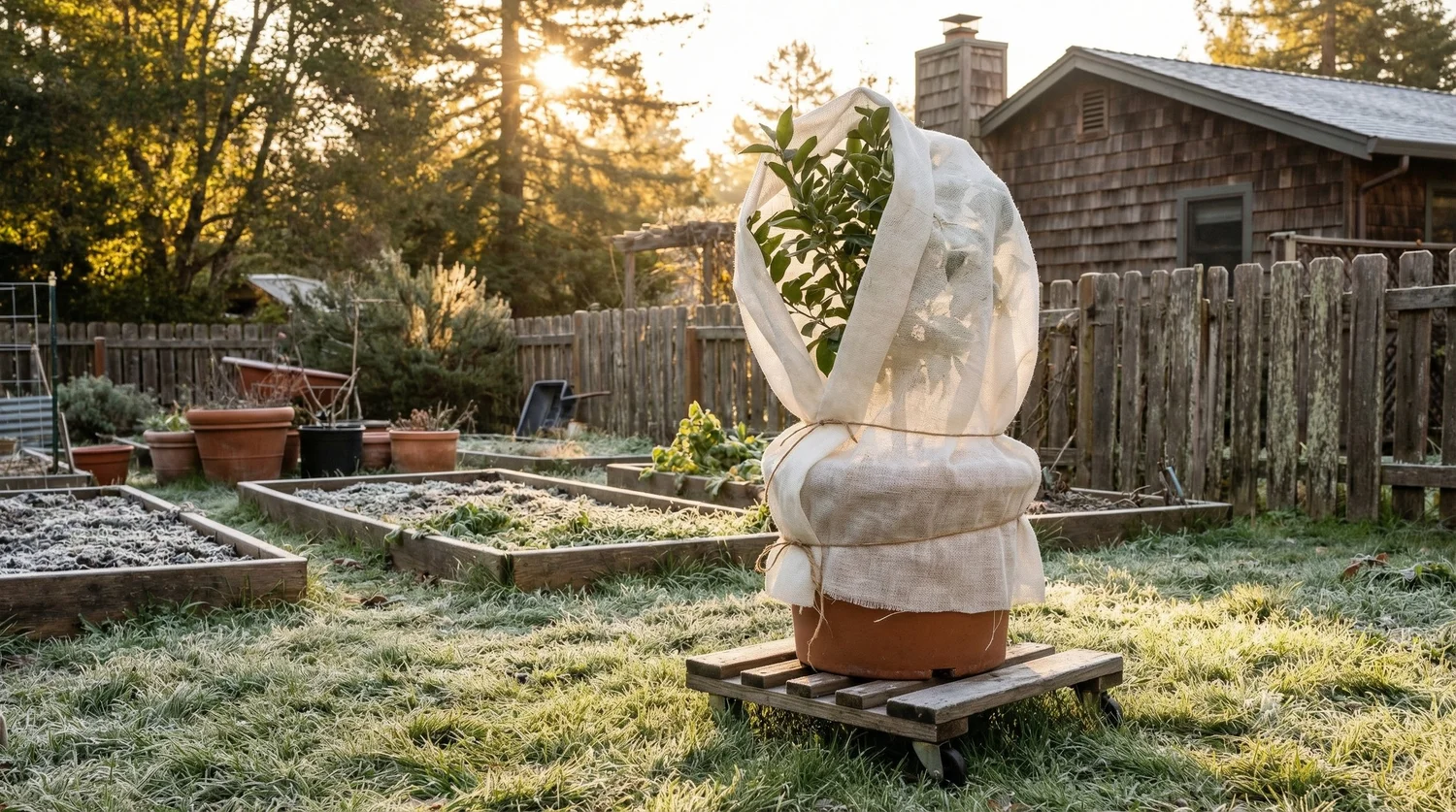
For most Santa Cruz homeowners, the Meyer lemon is the better backyard citrus tree. It is hardier in cold weather (tolerating temperatures down to about 20 degrees, compared to Eureka's limit around 28 degrees), produces fruit nearly year-round, and delivers a sweeter, more complex flavor that works beautifully in both cooking and cocktails. According to the UC Davis Citrus Variety Collection, the Improved Meyer Lemon is the most widely recommended backyard lemon for Northern California coastal gardens because of its cold tolerance and compact growth habit.
Meyer Lemon vs. Eureka Lemon: Quick Comparison
When to Choose Meyer Lemon
The Improved Meyer Lemon is the single best citrus tree for Santa Cruz County. It handles our cool, foggy coastal weather better than any true lemon, and its cold hardiness means it survives the occasional hard freeze in mountain communities like Bonny Doon and Boulder Creek (down to about 20 degrees with some protection).
Meyer lemons are actually a cross between a lemon and a mandarin orange, which gives them their signature sweeter, less acidic flavor and thin, fragrant golden skin. They are exceptional for lemon curd, cocktails, salad dressings, and any recipe where you want lemon flavor without puckering tartness. The compact tree size (8-10 feet) makes them ideal for small yards and large containers. If you only plant one fruit tree in your Santa Cruz garden, a Meyer lemon is the safest bet.
When to Choose Eureka Lemon
Eureka is the classic grocery-store lemon, and it is the right choice when you want that sharp, bright acidity for cooking. If you squeeze lemon over fish, make lemonade, or need that punchy tartness in baking, a Eureka delivers flavor that a Meyer simply cannot replicate. It is also the lemon you want if you sell or share fruit, because people recognize it.
Eureka lemons grow into larger trees (15-20 feet unpruned) and produce heavily in the warmer microclimates around Watsonville, Corralitos, and Aptos. They need a bit more protection from cold than Meyers, so avoid planting them in frost pockets or exposed hilltop sites. The trade-off for that tartness is a tree that requires more space and slightly more attention to cold protection during our occasional winter cold snaps.
The Bottom Line for Santa Cruz Gardeners
Plant an Improved Meyer Lemon. It is the most reliable, cold-hardy, and versatile lemon tree for our county, and it produces fruit you cannot buy at the grocery store (Meyers are too fragile to ship commercially). Place it in the warmest, most sheltered spot in your yard, preferably against a south-facing wall. In mountain areas, keep it in a large container so you can move it under cover during hard freezes. If you have a warm, sunny yard with space for a second citrus tree, add a Eureka for classic tart lemon flavor.
This week: Find a south-facing wall or fence in your yard and measure the space. A Meyer lemon in a 15-gallon container needs about 4 feet of clearance. Spring is the ideal planting time for citrus in Santa Cruz.
For more on growing citrus in California, check out our free Citrus Growing Guide at [/your-garden-toolkit].
Frequently Asked Questions
Which lemon tree is best for Santa Cruz, Meyer or Eureka?
For most Santa Cruz yards the Improved Meyer lemon is the better choice. It is hardier in cold, more compact, and produces sweeter fruit nearly year-round.
How cold-hardy are Meyer and Eureka lemons?
Meyer lemons tolerate temperatures down to about 20F, while Eureka's limit is around 28F. That makes Meyer a safer pick for cooler spots and mountain communities like Bonny Doon and Boulder Creek.
Why do Meyer lemons taste sweeter?
Meyer lemons are a cross between a lemon and a mandarin orange, which gives them a sweeter, less acidic flavor and thin, fragrant skin. They shine in lemon curd, cocktails, and dressings.
When should I choose a Eureka lemon instead?
Choose Eureka when you want sharp, classic lemon acidity for cooking, lemonade, or baking. It grows into a larger tree, 15 to 20 feet, and produces well in warmer microclimates like Watsonville, Corralitos, and Aptos.
Keep Reading
How to Grow Citrus Trees in Santa Cruz County
Protecting Citrus from Frost in Coastal California
Best Fruit Trees for Small Yards
