

How Often Should I Clean My Chicken Run?
Some links in this guide are affiliate links. If you buy through them, we may earn a small commission at no extra cost to you. Read our full disclosure.
How Often Should I Clean My Chicken Run?
For most backyard flocks, a full run cleanout every one to three months works well, with lighter maintenance in between. Penn State Extension does not set a cleaning interval, but it does tie ammonia release to litter moisture, so the practical goal is keeping bedding and ground dry rather than following a fixed schedule.
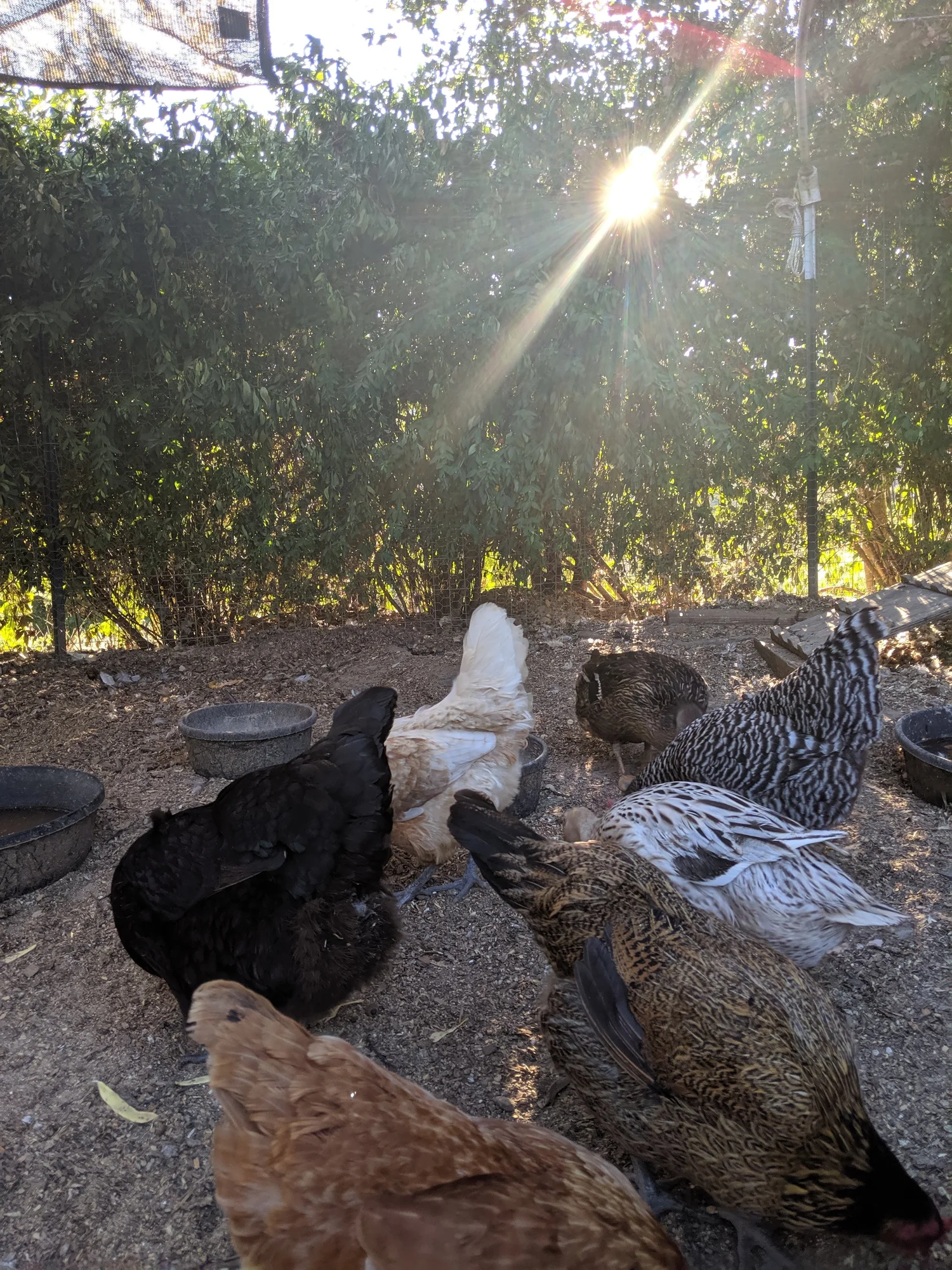
The biggest variable is your bird-to-space ratio. A small flock in a large run needs less frequent cleaning than a larger flock in a tight space. Our mixed flock in Boulder Creek has a 35-by-15-foot enclosed run, which gives the birds enough room that waste does not build up as quickly as it would in a smaller setup. Even so, we do spot checks weekly and a full bedding replacement roughly every six to eight weeks.
Between full cleanouts, there are a few things to stay on top of. Remove any visibly wet or heavily soiled bedding weekly, especially around waterers. Ducks are particularly messy with water, and wet bedding is a breeding ground for bacteria, mold, and parasites. If you can smell ammonia when you enter the run, you are overdue for a cleaning. Penn State Extension reports that elevated ammonia is detrimental to bird respiratory function and leads to disease challenge, and that poultry health guidelines call for keeping ammonia below 25 ppm.
Your bedding material matters. Straw, wood shavings, and dried leaves all work, but they decompose at different rates. Wood shavings absorb moisture well and last longer between changes. Straw compresses and gets soggy faster, especially during our wet Santa Cruz County winters. Dried leaves from fall cleanup are a free option that works well as a base layer, though they break down quickly.
The deep litter method is worth considering if you have the space. Instead of removing all bedding regularly, you add fresh material on top and let the lower layers compost in place. When managed correctly (turned occasionally, kept from getting too wet), deep litter generates mild heat in winter and produces excellent compost. Cornell University's poultry resources describe it as an effective approach for small flocks, as long as you monitor moisture and ammonia levels.
Whatever method you use, the cleaned-out material is garden gold. Chicken and duck waste composted for three to six months creates a rich amendment for garden beds. Do not apply it fresh, since raw poultry manure is too high in nitrogen and can burn plants or introduce pathogens.
This week: Do a smell test in your run. If you can detect ammonia at bird height, clean out the bedding this weekend. Set a calendar reminder for your next full cleanout based on your flock size and setup.
Keep Reading
- Designing a Predator-Proof Run for Your Garden Flock
- Composting With Chicken and Duck Waste
- Common Health Issues in Backyard Chickens, Ducks, and Geese
Frequently Asked Questions
How can I tell when the run needs a full cleaning?
Do a simple smell test: if you can detect ammonia, the cleaning is overdue. Most flocks do well with a complete bedding change every one to three months, plus weekly spot removal of wet or soiled bedding around water sources.
Which bedding material lasts the longest?
Wood shavings absorb moisture well and last longer than straw, which compresses and turns soggy quickly. Dried leaves are a free option but break down faster, so they need replacing more often.
Can I put the cleaned-out bedding straight onto my garden?
Not right away. Fresh poultry manure is too high in nitrogen and can carry pathogens, so let it age and compost for about three to six months first. Once composted, it becomes an excellent garden amendment.
