

Hand Pollinating Squash for Better Yields in Santa Cruz Gardens
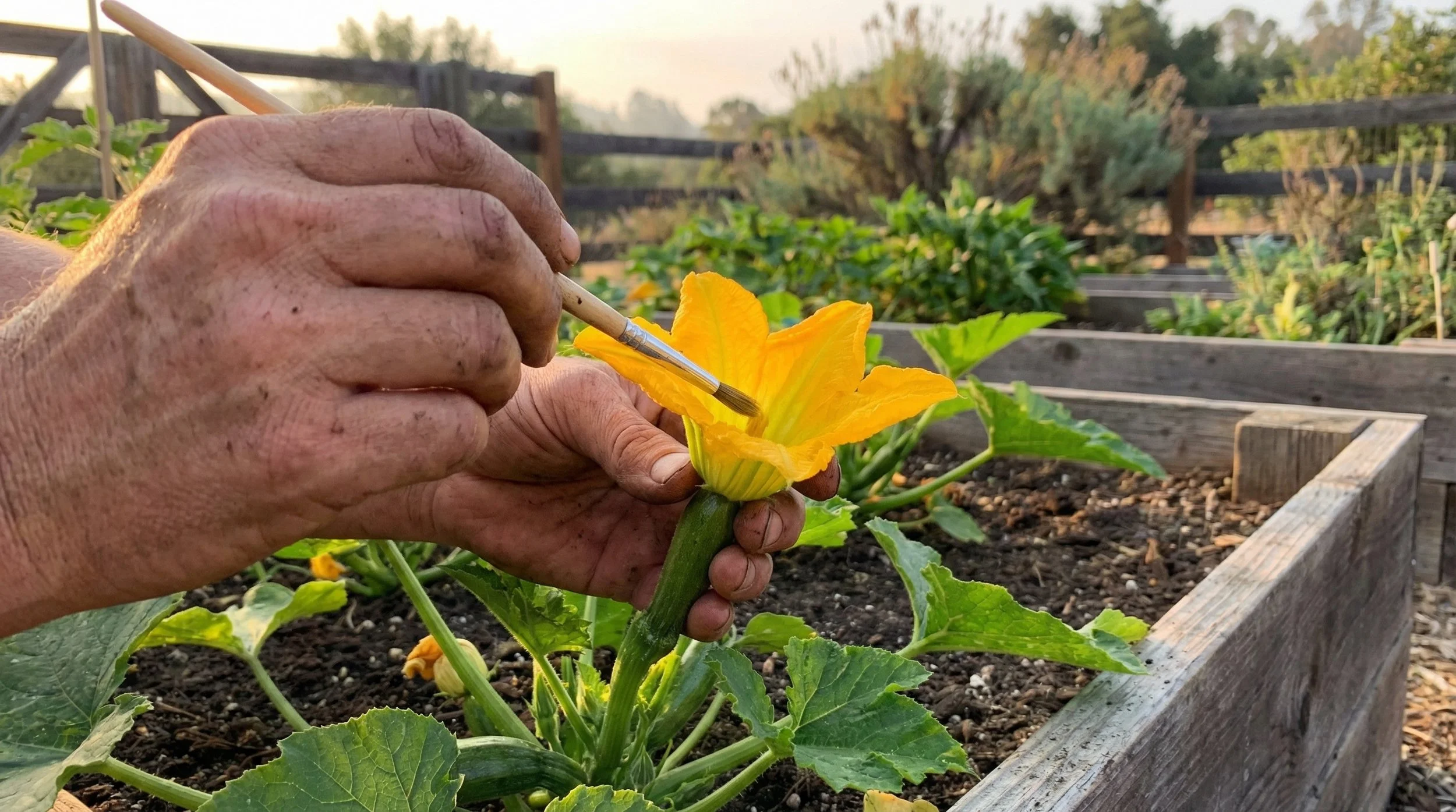
You have done everything right: planted at the right time, amended your soil, watered consistently. Your squash plants are covered with beautiful yellow flowers. But instead of an abundant harvest, you are watching small fruits form and then rot, or you are getting no fruit at all. In Santa Cruz County, this frustrating scenario often comes down to one problem: inadequate pollination.
Our cool, foggy mornings and reduced bee activity mean that squash and other cucurbits often do not get pollinated properly without a little human help. Hand pollination is simple, takes just a few minutes, and can dramatically increase your yields. Once you learn this technique, you will wonder why you ever left pollination to chance.
Why Hand Pollination Matters in Santa Cruz County
Squash plants have separate male and female flowers, and pollen must be transferred from male to female flowers for fruit to develop. In most climates, bees handle this job reliably. But Santa Cruz County presents special challenges.
Cool, foggy mornings reduce bee activity. Bees are less active when temperatures are below 55°F, which describes many of our summer mornings, especially in coastal areas. By the time conditions warm enough for bees, squash flowers may already be closing.
Reduced pollinator populations. Like many areas, we have seen declines in native bee populations. Fewer bees means less consistent pollination.
Squash flowers have a short window. Each squash flower is open for only one day. If it does not get pollinated that day, the opportunity is lost.
According to UC ANR, poor pollination is one of the most common causes of squash fruit failure, particularly in areas with cool summer mornings.
Understanding Squash Flowers
Before you can hand pollinate, you need to identify male and female flowers. This is easy once you know what to look for.
Male Flowers
Male flowers have a straight, thin stem connecting the flower to the vine. Inside the flower, you will see a single central structure (the stamen) covered with yellow pollen. Male flowers typically appear first, often 1-2 weeks before female flowers. A plant may produce many male flowers for every female flower.
Female Flowers
Female flowers have a small fruit (miniature squash shape) at the base, between the stem and the flower. Inside the flower, the central structure (stigma) is multi-lobed and sticky, designed to receive pollen. Female flowers appear after the plant is established, typically once vines begin to run.
Why You See Flowers But No Fruit
New gardeners often worry when their squash plants produce lots of flowers but no fruit. This is usually because male flowers appear first. This is normal biology, not a problem. Wait for female flowers to appear (look for the small fruit behind the flower). Additionally, male flowers fall off after producing pollen. This is also normal. Male flowers are meant to fall off. Do not mistake this for "flower drop" problems.
How to Hand Pollinate Squash
Hand pollination is simple and takes just a few minutes. You can do this every morning during peak flowering season to ensure consistent fruit set.
Method 1: Direct Transfer (Easiest)
This is the simplest method and works well for most home gardeners.
Step 1: Work in early morning (between 6-10 AM) when flowers are freshly open and pollen is abundant.
Step 2: Locate a male flower. Gently remove the petals to expose the pollen-covered stamen, or pick the entire male flower from the vine.
Step 3: Locate a female flower (look for the small fruit behind the petals).
Step 4: Gently touch or rub the pollen-covered stamen directly onto the stigma (the central part inside the female flower). You want to see visible pollen transfer.
Step 5: Repeat for all open female flowers. One male flower can pollinate 2-3 female flowers.
Method 2: Brush or Swab Transfer
This method uses a small paintbrush or cotton swab to transfer pollen.
Step 1: Work in early morning when flowers are open.
Step 2: Use a small, soft paintbrush or cotton swab to gently collect pollen from the stamen of a male flower. Twirl the brush to load it with yellow pollen.
Step 3: Transfer the pollen to the stigma of a female flower, gently touching all lobes.
Step 4: Reload with pollen as needed. Repeat for all female flowers.
Tips for Success
Timing matters. Squash flowers open in early morning and begin closing by midday, especially in warm weather. The earlier you pollinate, the better.
More pollen is better. Thorough pollination (more pollen transferred) results in better fruit development with fewer misshapen fruits and less blossom end rot.
Pollinate multiple days. New flowers open every day during peak season. Make hand pollination part of your daily morning garden routine.
Do not worry about being too rough. The stigma is sticky and designed to receive pollen. You are unlikely to damage it with gentle touching.
Signs of Successful Pollination
After pollinating, watch for these signs that pollination was successful.
Within 24-48 hours: The flower petals will wilt and begin to close around the developing fruit. This is normal.
Within 1 week: The small fruit behind the female flower should begin to enlarge noticeably. If pollination was incomplete, the fruit will turn yellow, shrivel, and fall off.
Ongoing: Properly pollinated fruit will continue to grow steadily. Fully pollinated squash develops evenly without misshapen ends or constrictions.
Signs of Poor Pollination
These problems indicate incomplete or failed pollination.
Fruit starts developing then rots: The small fruit begins to grow, then turns yellow and soft at the blossom end, eventually rotting and falling off. This is the most common sign of incomplete pollination.
Misshapen fruit: Squash that is bulbous at one end but pinched or underdeveloped at the other often indicates uneven pollination (only some of the ovules were fertilized).
No fruit development: Female flowers wilt and fall off without any fruit development. This indicates complete pollination failure.
Blossom end rot: While often attributed to calcium deficiency, blossom end rot in squash is frequently caused by incomplete pollination. The undeveloped seeds at the blossom end cannot signal for proper calcium distribution.
Which Cucurbits Benefit from Hand Pollination
Hand pollination helps all cucurbits in Santa Cruz County, but some benefit more than others.
Summer squash (zucchini, yellow squash): Highly beneficial. These flower continuously and produce quickly, so consistent pollination dramatically increases yields.
Winter squash: Beneficial, especially early in the season when you want to ensure fruit sets with time to mature before fall.
Pumpkins: Very beneficial. Pumpkins often struggle with pollination because their large flowers require significant pollen transfer.
Cucumbers: Can be beneficial, though some modern varieties are parthenocarpic (produce fruit without pollination). Traditional varieties benefit from hand pollination.
Melons: Beneficial in the few Santa Cruz County locations where melons can grow successfully. Each melon needs thorough pollination for proper development.
When Hand Pollination Is Essential
Some situations make hand pollination particularly important.
Foggy coastal gardens: When fog keeps morning temperatures cool and reduces bee activity, hand pollination is often the only way to ensure fruit set.
Early season: Before bee populations peak, hand pollinating ensures your first fruits develop properly.
During cold snaps: Even brief cool spells reduce pollinator activity. Hand pollination covers these gaps.
For seed saving: If you want to save seeds and need controlled crosses (or want to prevent crosses), hand pollination followed by covering the flower ensures genetic integrity.
Small garden spaces: With just a few plants, bees may not visit frequently enough for reliable pollination.
Encouraging Natural Pollinators
While hand pollination ensures yields, encouraging natural pollinators benefits your entire garden.
Plant flowers for pollinators: Include flowering plants that bloom alongside your squash. Borage, cosmos, zinnias, and sunflowers all attract bees. Native plants like California poppies and phacelia support native bee populations.
Provide water: A shallow dish with pebbles (so bees can drink without drowning) encourages pollinators to visit your garden.
Avoid pesticides during bloom: Even organic pesticides can harm bees. Apply treatments in evening when bees are less active, and never spray open flowers.
Leave some ground bare: Many native bees nest in the ground. Leaving patches of unmulched soil provides habitat.
Hand pollination is one of the simplest and most effective techniques for improving squash yields in Santa Cruz County. Once you get in the habit of spending a few minutes each morning transferring pollen from male to female flowers, you will wonder why you ever left this critical step to chance. Our foggy mornings and reduced bee activity make hand pollination especially valuable here, turning what might be a frustrating season of rotting baby squash into an abundant harvest. The technique takes just minutes to learn and seconds to perform, yet it can double or triple your yields. Make it part of your morning garden routine during squash season, enjoy the meditative process of working closely with your plants, and reap the rewards in baskets full of zucchini, beautiful winter squash, and pumpkins ready for fall.
Frequently Asked Questions
Why do my squash plants have only male flowers? Male flowers naturally appear 1-2 weeks before female flowers. This is normal plant biology. Wait for female flowers to develop; they will appear once the plant is more established. If only male flowers continue for more than 3 weeks, stress (heat, drought, or excess nitrogen) may be affecting flower development.
Can I pollinate squash in the evening? Morning is best because flowers are freshly open and pollen is most abundant. By evening, flowers are typically closing and pollen may have been depleted by visiting insects. If you missed the morning window, early evening is better than not pollinating at all.
How many times do I need to pollinate each flower? Once is sufficient if done thoroughly. Unlike some plants that benefit from multiple pollination events, squash flowers are receptive for only one day. The goal is transferring enough pollen in a single session to fertilize all the ovules.
Can I use pollen from a different squash variety? Yes, but the current fruit will develop normally regardless of the pollen source. Cross-pollination affects seeds inside the fruit, not the fruit itself. If you save seeds from cross-pollinated fruit, the next generation will show the mixed genetics.
Why is the small squash turning yellow and falling off? This is the most common sign of incomplete pollination. The fruit begins to develop but cannot continue without fully fertilized seeds. More thorough hand pollination usually solves this problem.
How long do squash flowers stay open? Individual squash flowers typically open early in the morning and close by early afternoon, sometimes earlier in hot weather. Each flower is open for only one day. This is why morning pollination is critical.
Do I need to hand pollinate if I have lots of bees? If you see consistent bee activity on your squash flowers in early morning and you are getting good fruit set, natural pollination may be sufficient. However, even with active pollinators, hand pollination as a supplement rarely hurts and often improves yields.
Can hand pollination cause problems? No. You cannot "over-pollinate" squash, and hand pollination does not interfere with natural pollination. The worst that can happen is wasted effort if bees have already done the job.
Free Downloadable Resources
Companion Planting Guide - Learn which flowers attract pollinators alongside your vegetables. Download PDF
Santa Cruz County Seasonal Planting Calendar - Plan your squash planting for optimal pollination timing. Download PDF
Hand Pollinating Squash: Step by Step
Guarantee fruit set when bees can't do the job
Male flowers have straight, thin stems. Female flowers have a small bulge (baby fruit) behind the petals. Both must be open the same morning.
Pick a fully open male flower early morning (before 9 AM). Peel back the petals to expose the pollen-covered stamen in the center.
Gently rub the male stamen against the stigma (center) of the open female flower. Make several passes to ensure good coverage. One male can pollinate 2-3 females.
Within 24-48 hours, the baby fruit behind the female flower should start growing. If it shrivels and falls off, pollination failed. Try again with the next female flower.

