

The Secret to Successfully Growing Hot Peppers in the Bay Area
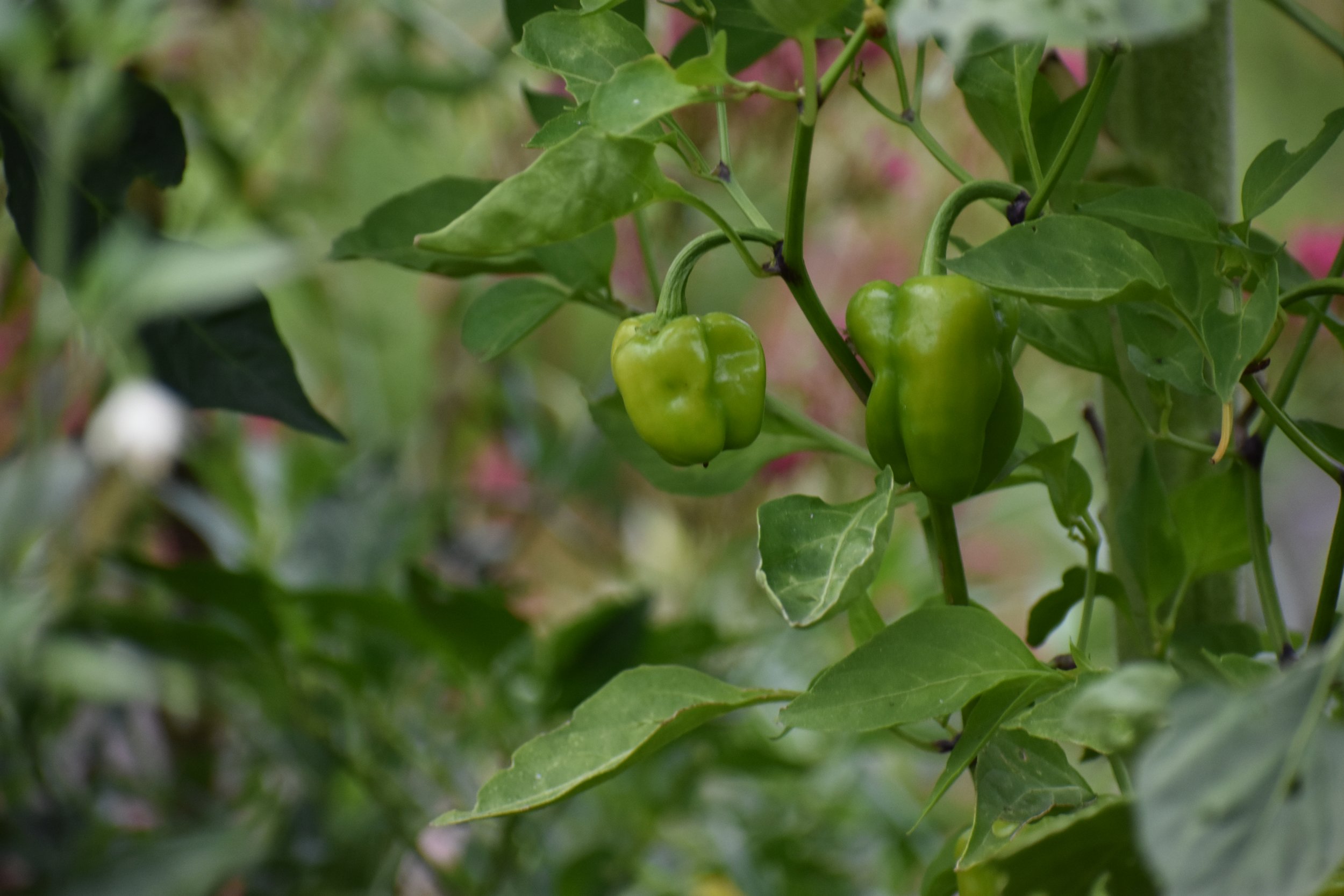
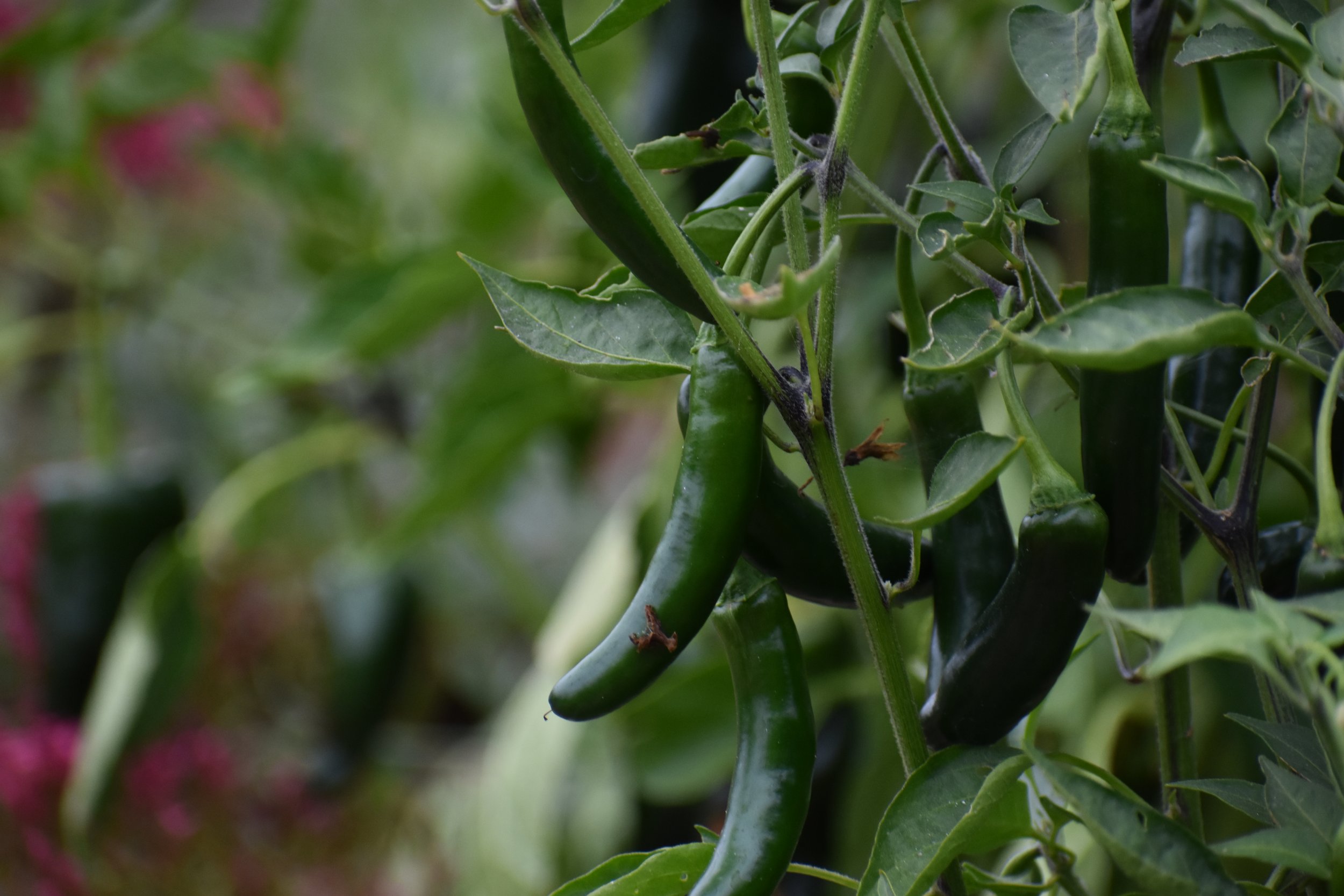
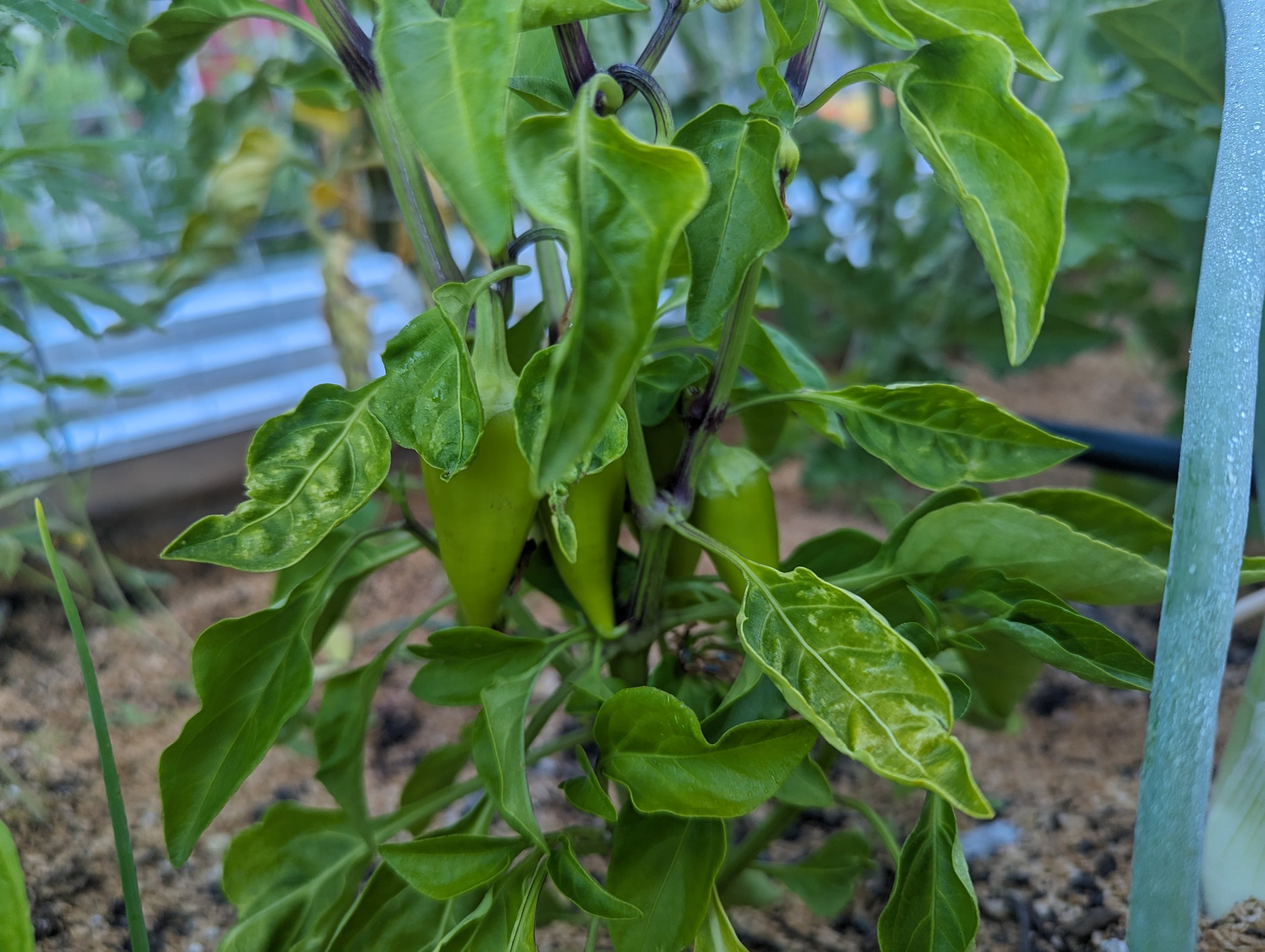
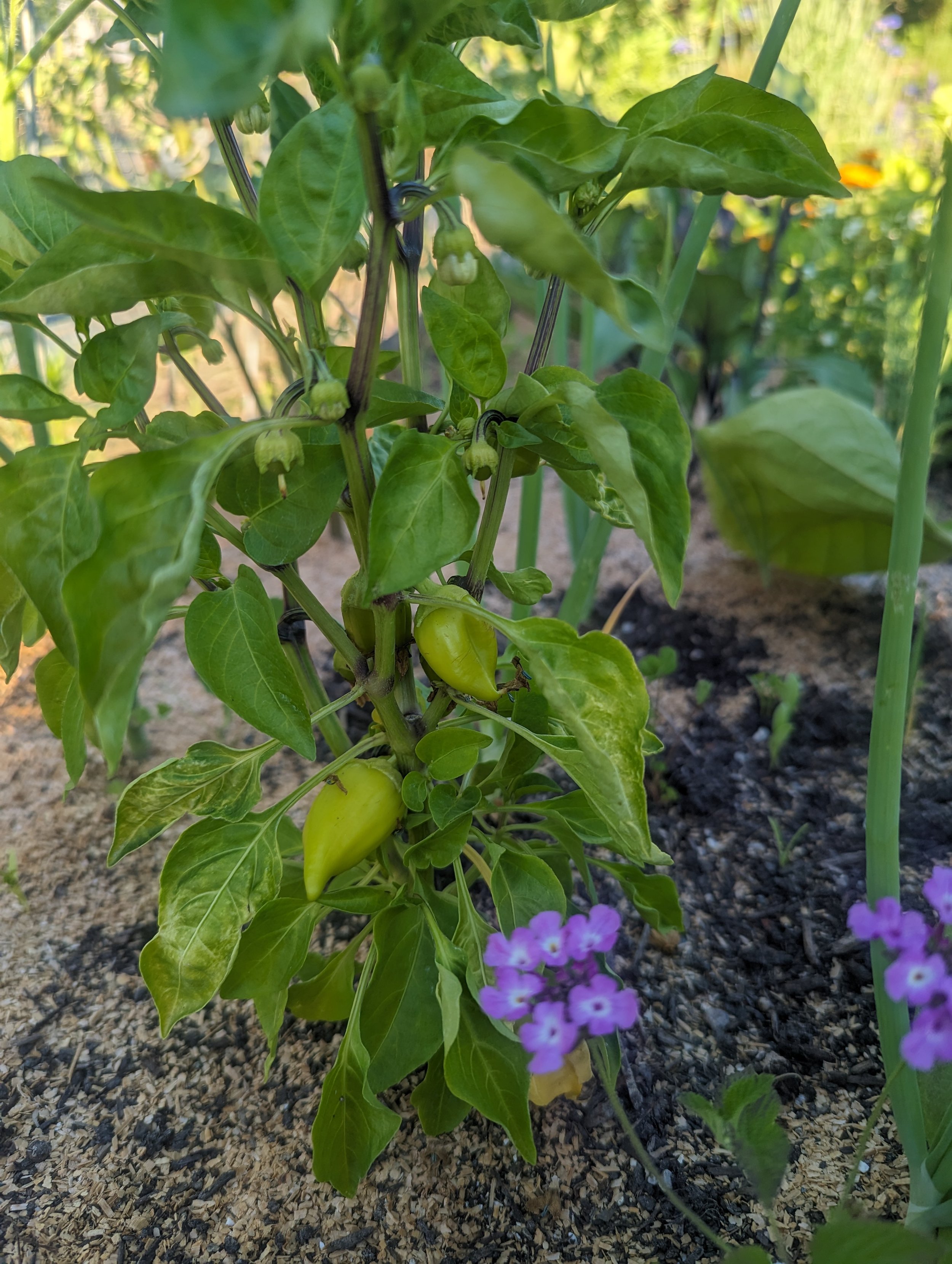
Spicing Up Your Garden with Hot Peppers in the Bay Area
Growing hot peppers in the Bay Area combines the joy of gardening with the excitement of bringing fresh spice to your kitchen. While local microclimates can pose some challenges, understanding and adapting to them makes all the difference. With the right varieties, location, and care, your garden can produce healthy, flavorful peppers from summer through early fall.
Understanding the Bay Area Climate
The Bay Area’s mix of foggy coasts, sunny valleys, and mild temperatures can be both a challenge and an advantage for pepper growers.
Coastal areas (Half Moon Bay, Pacifica, Santa Cruz): Cool mornings and fog slow ripening, so select early-maturing or cold-tolerant varieties.
Inland areas (Gilroy, Morgan Hill, East Bay hills): Hotter summers mean a wider range of pepper options, including high-heat types.
Most regions experience cool nights that help develop rich flavor, but peppers still need warmth to set fruit. Use heat-retaining mulch or black fabric to warm the soil if you garden near the coast.
Choosing the Right Pepper Varieties
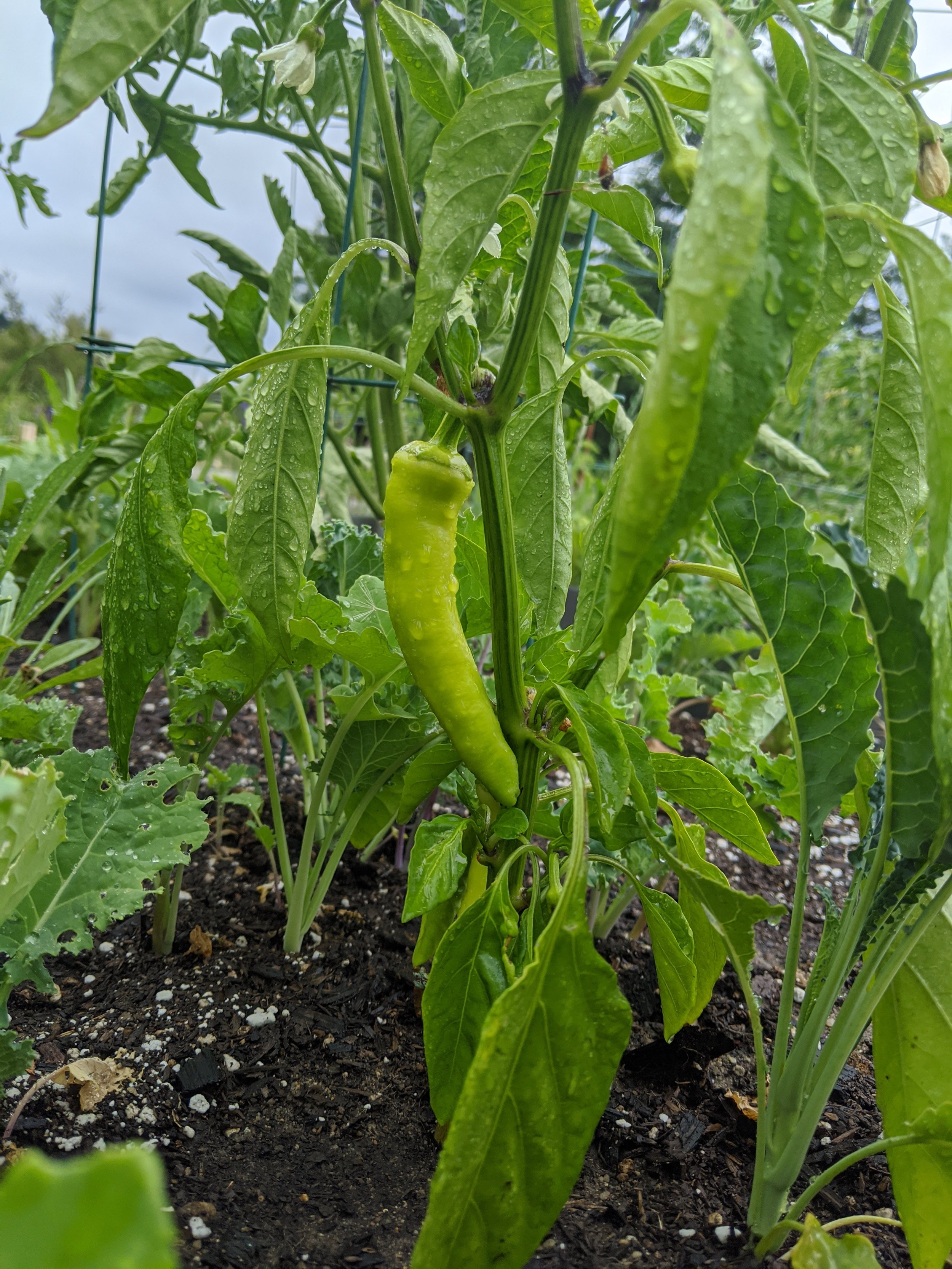
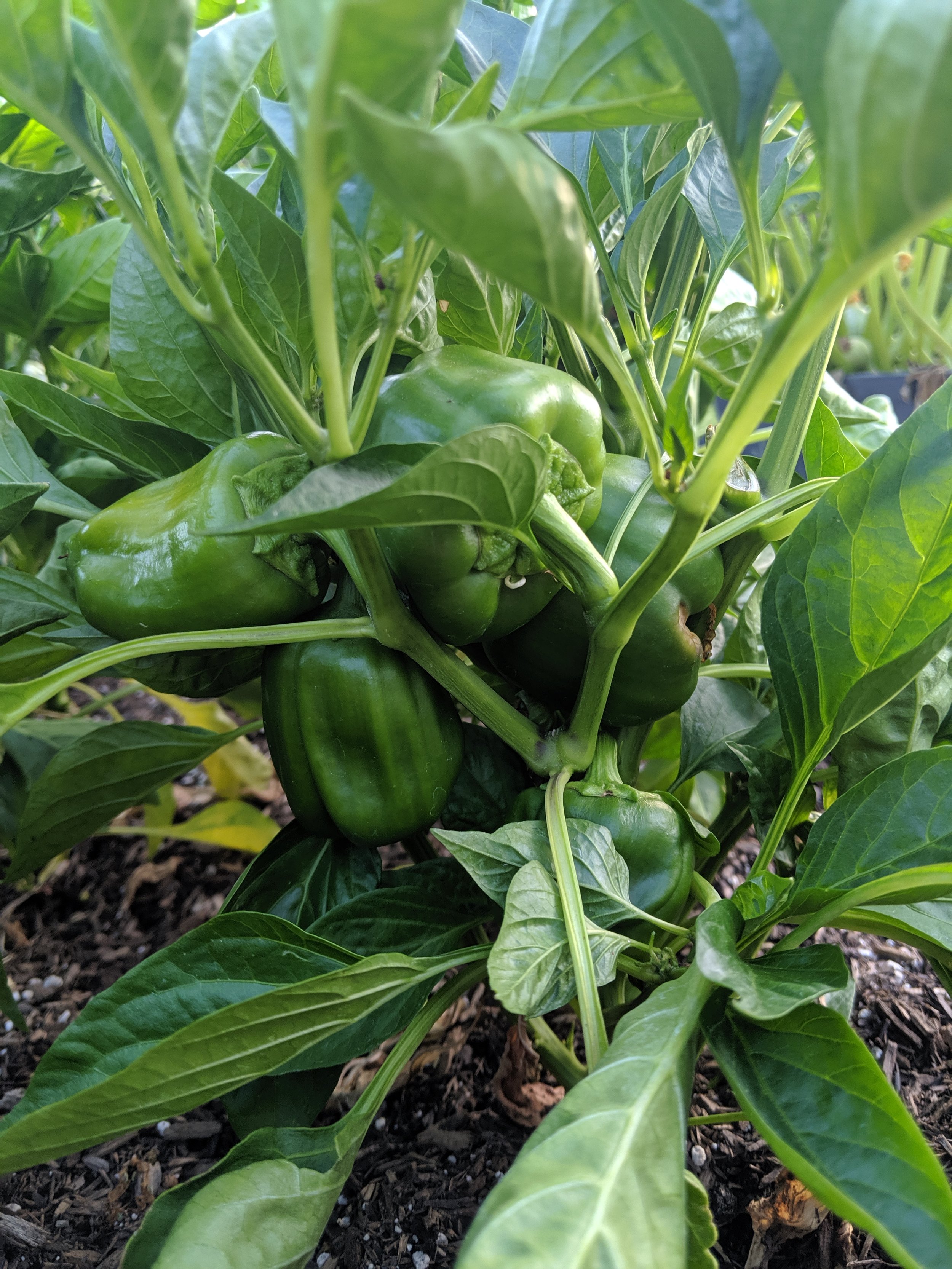
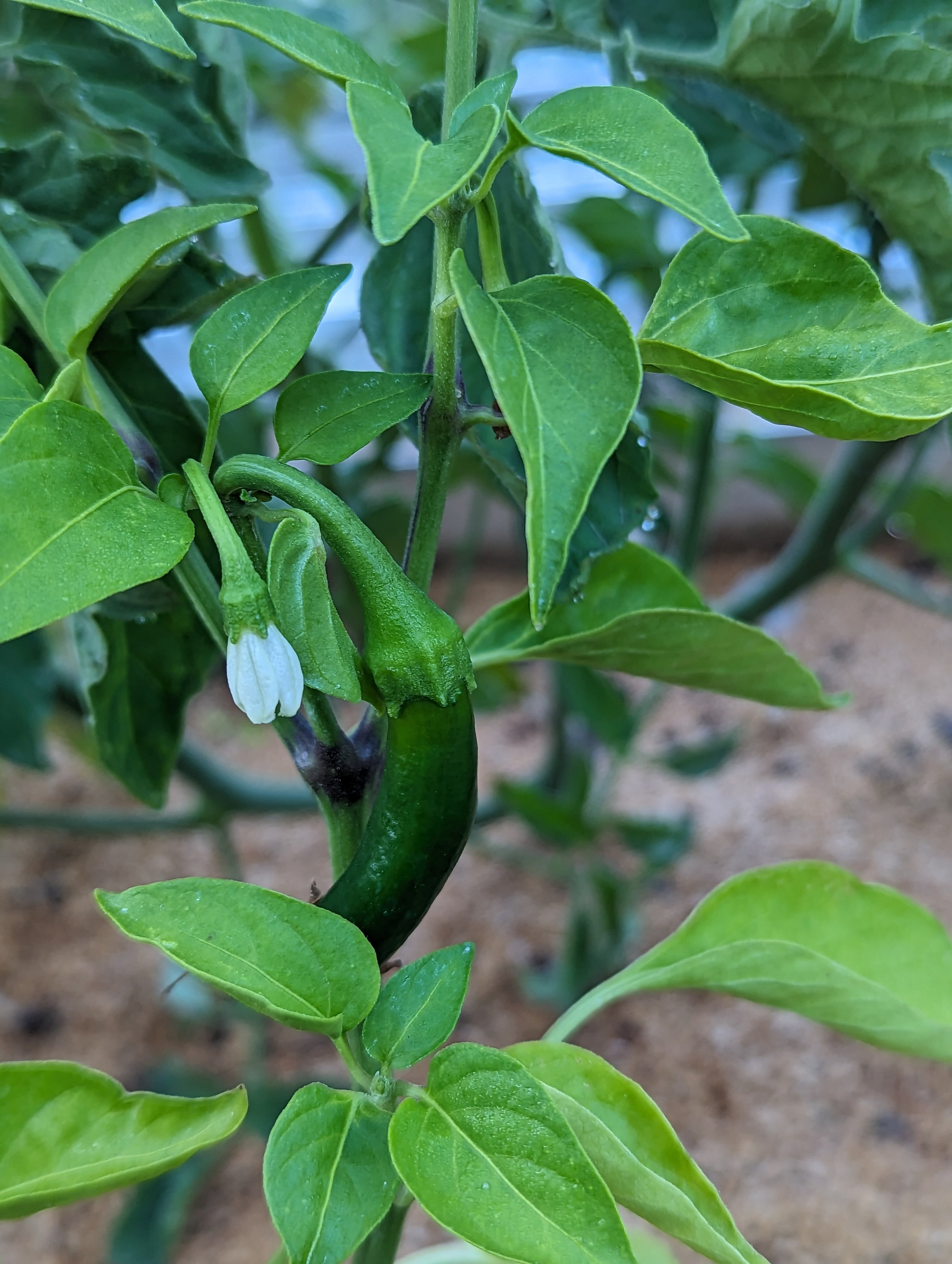
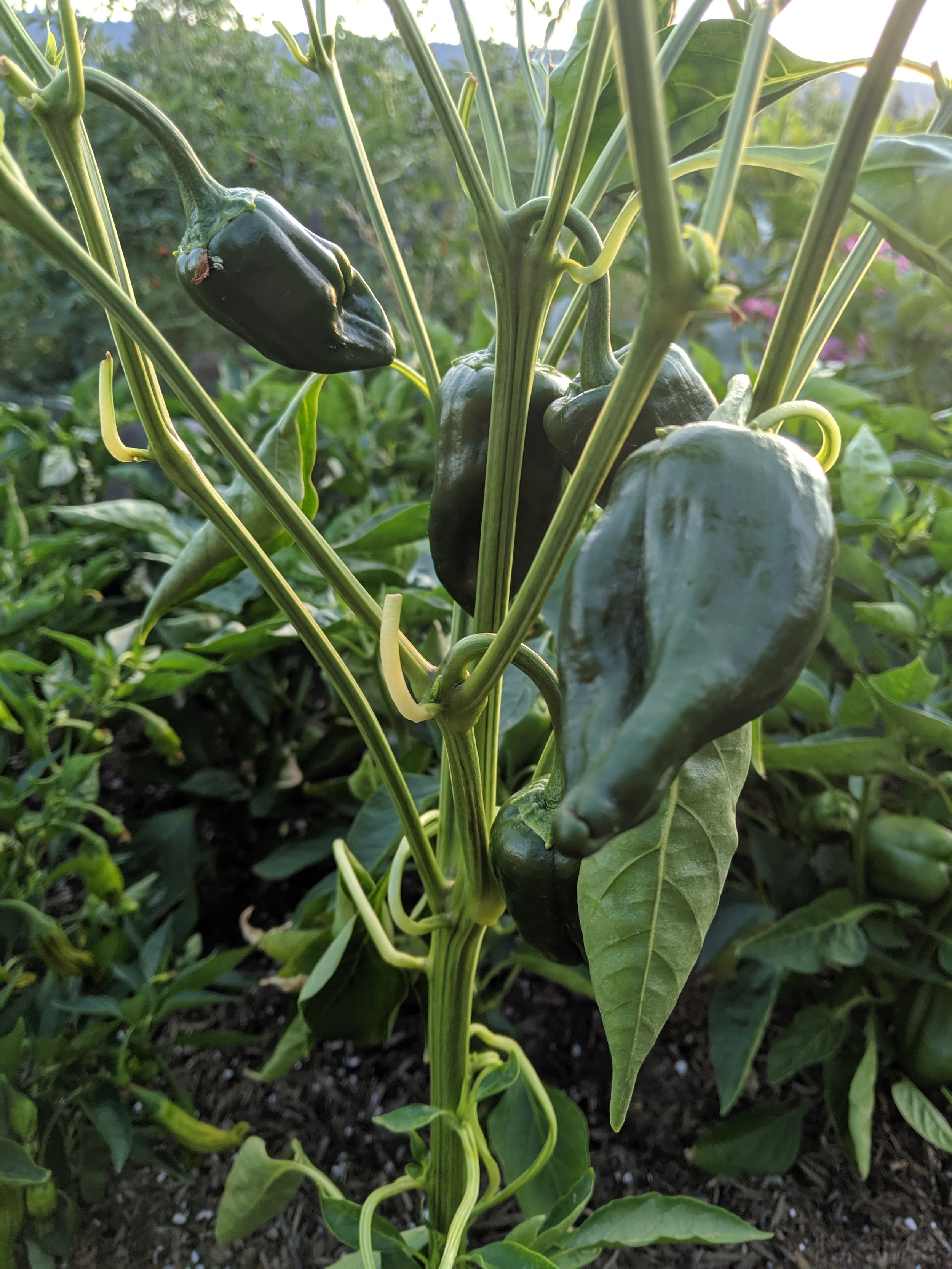
Picking varieties suited to local conditions is the key to success.
Reliable performers for coastal and mild zones: Jalapeño, Serrano, Anaheim, Thai, and Shishito.
For warmer inland gardens: Habanero, Cayenne, Ghost, and Scotch Bonnet.
Compact container choices: Numex Twilight or Hungarian Wax for patios and small spaces.
Look for varieties that mature within 70–90 days and tolerate cool nights. When in doubt, check seed packets for “short season” or “early yield” indicators.
Soil and Site Preparation
Hot peppers thrive in full sun and warm, well-draining soil. Aim for at least six hours of sunlight daily.
Soil: Mix native soil with compost or aged manure to improve drainage and fertility.
pH: Keep soil slightly acidic to neutral (6.0–7.0).
Fertilizer: Use a balanced, slow-release fertilizer at planting time and side-dress with compost midseason.
Warmth: In cooler areas, pre-warm soil by laying black plastic or dark mulch two weeks before transplanting.
Healthy soil helps your plants resist disease and produce more flavorful fruit.
Watering and Feeding
Consistent watering is key to preventing stress and blossom drop.
Water deeply once or twice per week rather than frequent shallow watering.
Use drip irrigation to keep foliage dry and minimize fungal issues.
Feed lightly every four to six weeks with an organic fertilizer high in phosphorus and potassium to encourage blooms and fruiting.
Avoid excess nitrogen, which causes leafy growth at the expense of peppers.
Managing Pests and Diseases
Hot peppers are relatively hardy, but common pests can still cause trouble if not monitored.
Watch for:
Aphids on young growth
Whiteflies under leaves
Slugs and snails around seedlings
Solutions:
Spray aphids off with water or apply diluted neem oil.
Use yellow sticky traps for whiteflies.
Scatter crushed eggshells or diatomaceous earth to deter slugs.
Rotate crops each year to avoid soil-borne diseases such as bacterial wilt.
Regular observation and good airflow prevent most issues before they start.
Harvesting Your Peppers
Harvest peppers when they are fully colored and firm. Green peppers are edible but less sweet or spicy.
Use pruning shears or scissors to avoid breaking stems.
Leaving a short section of stem helps fruit last longer after picking.
Frequent harvesting encourages plants to produce more fruit through late summer.
Tips for Success in Coastal Microclimates
Start seeds indoors 8–10 weeks before the last frost date.
Transplant outdoors once soil temperatures reach 65°F.
Use raised beds or dark mulch to warm soil near the coast.
Consider lightweight row covers to hold extra heat during cool evenings.
Even in fog-prone areas, warm micro-pockets—against a south-facing wall or in a protected courtyard—can produce impressive results.
Enjoy the Heat
Growing hot peppers in the Bay Area is both rewarding and practical. With attention to microclimate, soil, and variety selection, you can produce peppers that rival any warm-weather region. Whether you prefer mild Jalapeños or fiery Habaneros, homegrown peppers bring color, flavor, and a touch of heat to your garden and your kitchen.
