

Should You Water Your Lawn Every Day in Summer?
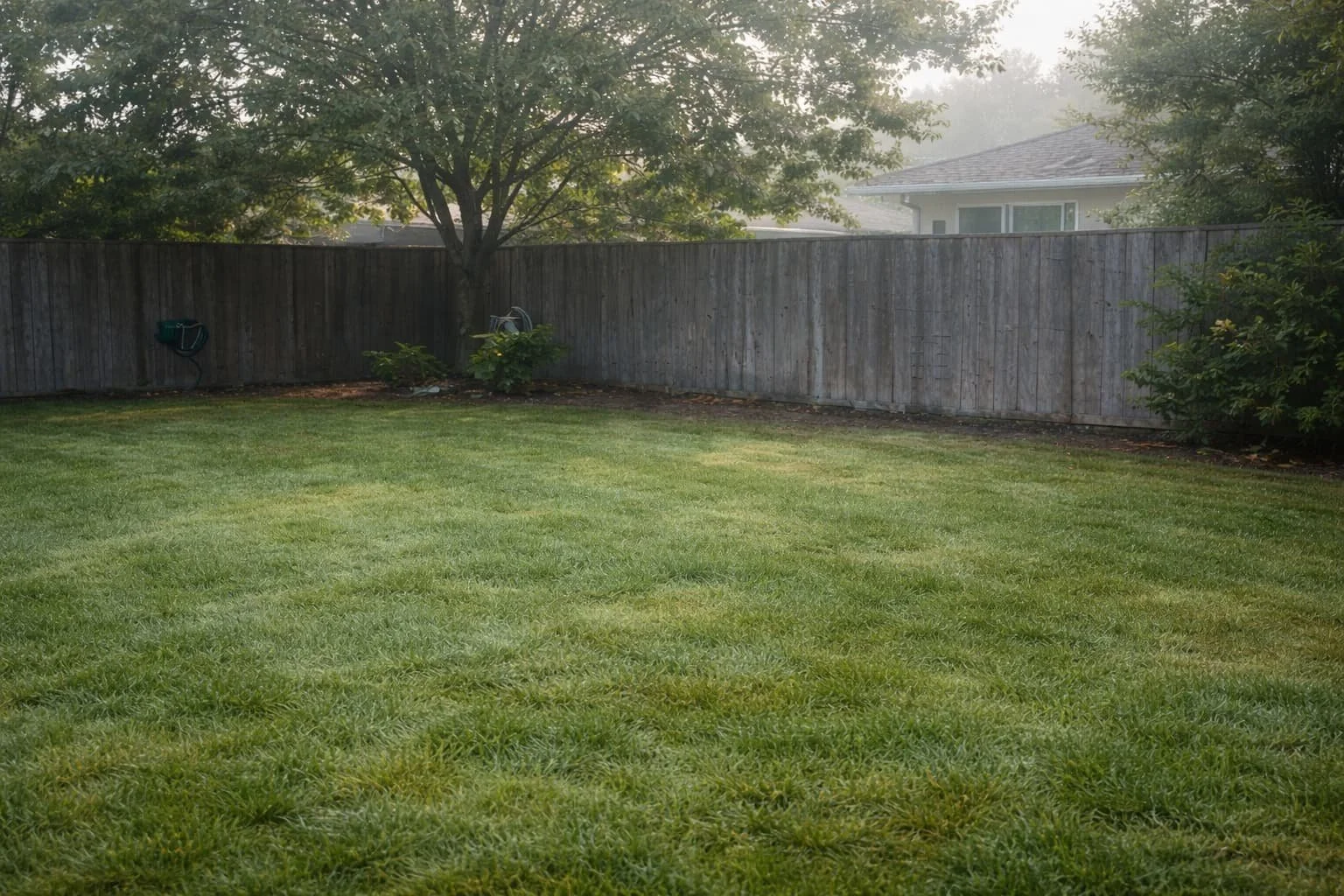
The sprinkler timer remembers the schedule you gave it. It does not know that a tree now shades half the lawn or that one head is watering the sidewalk. An established lawn does not automatically need daily summer watering. Start with the grass, soil and sprinkler output, then adjust the schedule to what the site needs.
Changing five minutes every day to twenty minutes twice a week is still a guess if you do not know how much water the system applies. A short inspection gives you a better place to begin.
Identify the lawn before setting the timer
UC’s summer lawn-care guide starts with grass type and uses location and sprinkler output to guide irrigation. Its general suggestion of two to three waterings a week is for established lawns, not a rule for every soil or every stage of establishment.
UC’s irrigation-scheduling guidance likewise says there is no single answer for all lawns. Sandy soil and heavy clay behave differently. Shade, season and grass species also affect demand. A lawn in a cool coastal corner may need a different plan from one exposed to inland sun and wind.
Measure sprinkler output
Run a zone while you can watch it. Look for blocked or tilted heads, spray on paving and areas that receive little water. Correct obvious coverage problems before adding runtime to the whole zone.
Use UC’s can-test instructions to compare water collected in several straight-sided containers across the lawn during a measured run. One can in one spot cannot show whether the far corner is dry. Use the results with irrigation guidance to determine output and spot uneven coverage.
Then check how water moves into the soil. If it begins running away before the intended amount has soaked in, shorter cycles separated by soaking time may be appropriate. The number of cycles and their duration depend on the system and site, not a universal fifteen-minute setting.
Match the interval to the root zone
UC favors deep, less frequent irrigation for established lawns and notes that root depth varies. Water enough to moisten the useful root zone, then reassess as it dries. New seed or sod needs an establishment plan of its own; do not apply an established-lawn interval without checking.
Early morning often offers calmer conditions and gives wetted grass time to dry. Follow the current watering rules of the supplier serving your address, including any restrictions on days, times or runoff. Santa Cruz County has multiple water providers, so a countywide schedule is not a substitute for that check.
Investigate a brown patch before watering everything more
A dry corner can indicate uneven coverage. Shade, wear, pests or other plant-health issues may also be involved. Check the pattern and the soil instead of treating every color change as a request for more water.
Keep mowing and other care suited to the grass. If part of the lawn no longer serves a useful purpose, consider whether a different planting would fit the light, access and maintenance you want. The local UC Master Gardener Gardening Advice Line can help with lawn-care questions and alternatives.
Questions before changing the controller
How many minutes should each zone run?
Measure its output and check infiltration. Different heads and pressures can apply very different amounts in the same time. Fix uneven distribution before relying on a longer run.
Is one inch of water always enough for a summer week?
No. General estimates need adjustment for grass type, weather, soil and site. Use an appropriate scheduling guide and actual observations rather than a fixed weekly number.
Can I let any lawn go brown and expect it to recover?
Do not assume that. Grass types and growing conditions differ. Get guidance for the lawn you have before deliberately withholding irrigation.
This week: inspect one zone and compare its coverage in several spots. Keep the results with Your Garden Toolkit before making the next controller adjustment.
