

Does Sugar Water Help Transplant Shock?
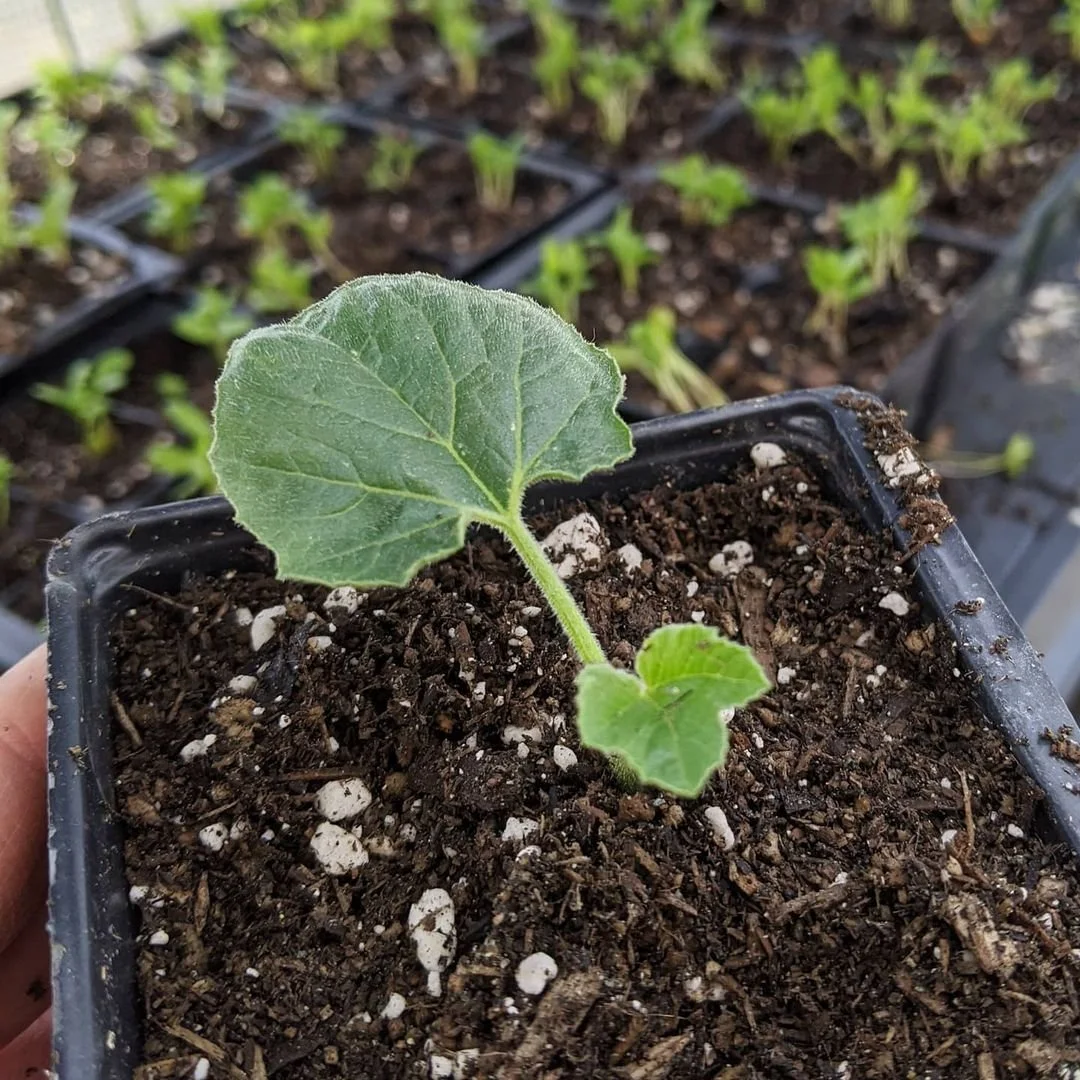
This guide includes affiliate links. If you buy through one, Ambitious Harvest may earn a commission at no extra cost to you. As an Amazon Associate, we earn from qualifying purchases. Read our full disclosure.
A seedling that droops after planting can make you want to add something to the watering can. Skip a homemade sugar-water treatment and check the roots, moisture and exposure first. The research cited for this remedy does not establish it as a reliable way to settle vegetable transplants into a garden.
Moving a plant changes more than its address. Roots may be disturbed, and leaves may meet stronger light or wind than they experienced in the nursery. Those are practical problems you can address without turning the watering can into an experiment.
What the sugar study measured
The linked 2010 study in Arboriculture & Urban Forestry tested glucose and starch amendments in clay soil beneath nursery-grown live oaks in Texas, with a companion laboratory experiment. Its focus was soil respiration as an indicator of microbial activity, not recovery of newly planted vegetable seedlings.
Different carbohydrate treatments changed the timing and duration of soil respiration. The authors urged care where pathogenic microorganisms were present and described questions that remained about effects on soil and plant health.
That is more limited than proof that every sugar drench causes disease, or that plants can never take up sugars through roots. It also does not give a home gardener a tested sugar-water recipe for transplant shock. Use it to understand the limits of the claim, not to calculate a spoonful per watering can.
Prepare the plant before planting day
UC Contra Costa's vegetable-transplant guide begins with suitable planting conditions, root space and hardening off. A plant raised under protection needs gradual exposure to outdoor conditions before it moves into a bright, windy bed.
Check whether the crop is ready for the temperatures ahead. A warm-season seedling can be large enough to plant while the soil is still unsuitable. If it needs more time, manage its container and root space rather than rushing it outdoors because a calendar says spring.
For local planting questions, the UC Master Gardener program serving Santa Cruz County can help you find guidance. A sunny inland bed and a cool coastal one may need different timing.
Make the move with as little root disturbance as practical
Water the container beforehand so the root ball is moist and easier to handle. Prepare the planting space, then remove the plant carefully with the root ball supported. Use the planting depth appropriate to that crop rather than treating every seedling alike.
The UC guide recommends a cool, cloudy day or planting later in the day, followed by thorough watering. Water the root area and make sure it receives moisture; do not keep adding water to soil that is already saturated.
Check newly planted starts as conditions change. A drooping plant may have a dry root ball, damaged roots or another problem. More water is not automatically the answer, and plain water alone cannot correct every cause of decline.
Offer temporary shelter when conditions call for it
UC also recommends temporary shade during the hottest part of the day after transplanting. Its example is five to seven days, but observe the crop and weather rather than treating that as a guaranteed recovery period.
A supported shade cloth can be one option. Choose shade appropriate to the crop and secure the support so it does not fall onto the plants. The linked product is a 40-percent shade cloth, not a universal prescription for every transplant.
Coastal cloud cover can reduce exposure, but it is not protection you can count on for the entire establishment period. A clear afternoon can follow a gray morning. Reassess the shelter as the plant adjusts.
Follow crop-specific feeding guidance and account for fertilizer already in the mix or bed. Do not use extra fertilizer as an automatic rescue, but do not assume every transplant must avoid all fertilizer either.
Questions about a drooping transplant
Did the cited research prove sugar water always harms plants?
No. It studied particular carbohydrate treatments and microbial responses. It does not establish that universal result or validate a household transplant remedy.
Should I water again whenever leaves droop?
Check root-zone moisture and conditions first. Saturated soil needs a different response from a dry root ball.
How long should temporary shade stay?
Use the crop guidance, weather and plant response. Remove or adjust it as conditions allow rather than keeping every start under the same cover indefinitely.
This week: prepare the planting spot and harden off your next starts before moving them. Keep observations about moisture and exposure with Your Garden Toolkit.
