

Will Bought Ladybugs Stay in Your Garden?
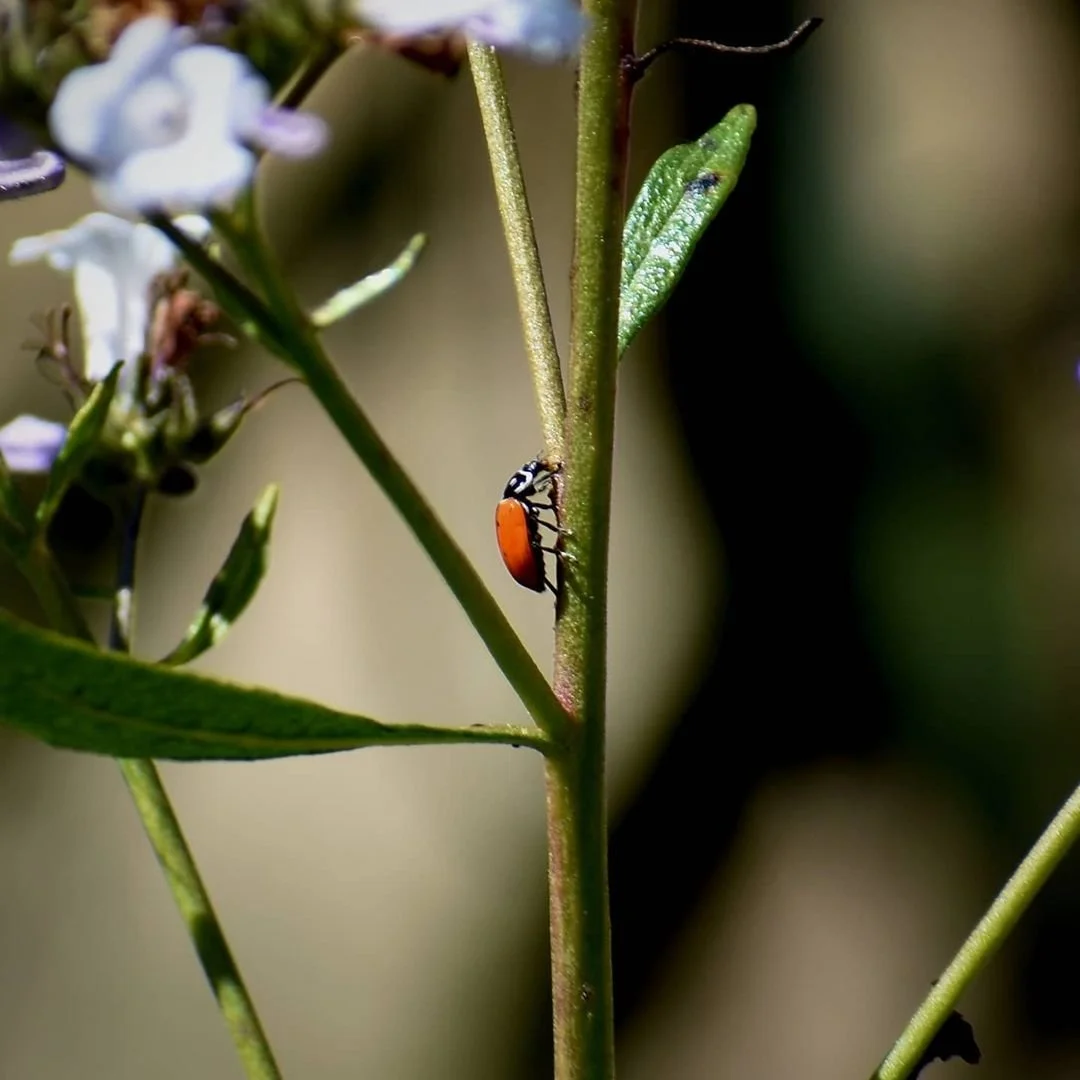
Purchased convergent lady beetles usually leave soon after release, but they can still eat aphids before they go. Think of a release as a possible short-term treatment, not a way to install a permanent population in your garden.
A bag of ladybugs is an appealing answer to a rose stem covered in aphids. You can see the predators, put them where the pests are, and imagine the problem taking care of itself. The part that's harder to see is what happens after the beetles open their wings.
Why they leave
Convergent lady beetles sold for garden release are collected from overwintering sites. Their tendency to disperse doesn't disappear when they're carried home in a container. UC's guide to releasing ladybugs reports that about 95% flew away within 48 hours in research studies, with the rest gone within four or five days.
That finding describes the studied releases, not a timetable for every beetle in every yard. It does explain why an aphid-covered plant may still lose most of its purchased visitors. Food alone doesn't reliably hold them there.
A short visit can still have value
UC IPM's convergent lady beetle guidance explains that sufficiently large, repeated releases can provide temporary aphid control. Storage, handling, release conditions, and the number released all affect the result.
If you've already bought beetles, follow the handling guidance rather than leaving the container in a warm car or direct sun. UC recommends refrigeration, not freezing, until release; moistening the aphid-infested plants; and releasing in the evening. These steps may slow dispersal. They don't turn a release into a guarantee that the beetles will settle and reproduce.
For a small Santa Cruz garden, compare that repeated effort with supporting the predators already visiting. You may have useful help on the plant before you buy anything.
Look closely at the aphid colony first
Check whether the plant is being damaged and whether the aphid population is growing. Many established plants tolerate some feeding, while tender new growth may need closer attention. UC IPM's aphid guide recommends looking for natural enemies as part of that assessment.
Lady beetle larvae don't look like the rounded adults. They have elongated bodies and legs, often described as tiny alligators. Learn their appearance before treating every unfamiliar insect as a pest. Lacewings, flower-fly larvae, and parasitic wasps can also be working among the aphids.
On sturdy plants, a stream of water can knock aphids off. Use care with delicate growth, and keep checking the plant afterward. Also look for ants tending the aphids: they can protect their food source from predators, so ant activity may need attention as part of the plan.
Make the garden useful to resident predators
Grow a variety of flowering plants that provide nectar and pollen, choosing for mature size, season of bloom, sun, and available water. A small flowering edge near vegetable beds can be a practical start. Our guide to Attracting Beneficial Insects to Your California Garden offers more planting ideas.
Think in terms of supporting a changing community. A flower planting cannot make individual beetles stay, and a mild coastal winter doesn't promise year-round aphid control. What you see will vary with weather, prey, and the habitat around your garden.
Avoid unnecessary broad-spectrum insecticides, which can kill natural enemies along with pests. An organic label doesn't by itself establish that a product is harmless to beneficial insects. Identify the problem, consider nonchemical options, and follow the product label if treatment is needed.
Common questions about bought ladybugs
Does releasing them in the evening make them stay?
It can delay their departure compared with a daytime release, especially with suitable handling and water available on the plants. Expect dispersal anyway. Judge the treatment by changes in aphids and plant damage, not simply by how many beetles remain visible.
Are purchased beetles a waste of money?
They can help briefly when released in sufficient numbers and handled correctly. The practical limitation is that repeated purchases and releases may be needed. For a small garden, first assess existing predators and simpler aphid-management options.
Can I attract a permanent population instead?
You can improve food and habitat for resident natural enemies, but you can't make mobile insects remain inside your property. Aim for a garden that supports useful visitors over time, while continuing to monitor pests and plant health.
One useful job for this week
Pick one aphid-prone plant and check its new growth and leaf undersides. Look for aphids, predators, and ants, then take a photo you can compare on your next inspection. That gives you something more useful than a guess about whether the garden needs another bag of beetles.
Use Your Garden Toolkit to plan planting areas and garden tasks. For related reading in the article library, look for Natural Aphid Control That Actually Works and Why You Should Stop Spraying Everything.
