

Do All Bees Sting? Why Your Garden Needs Them
The Verdict: Busted. Most bee species are docile or cannot sting at all, and your garden absolutely needs them.
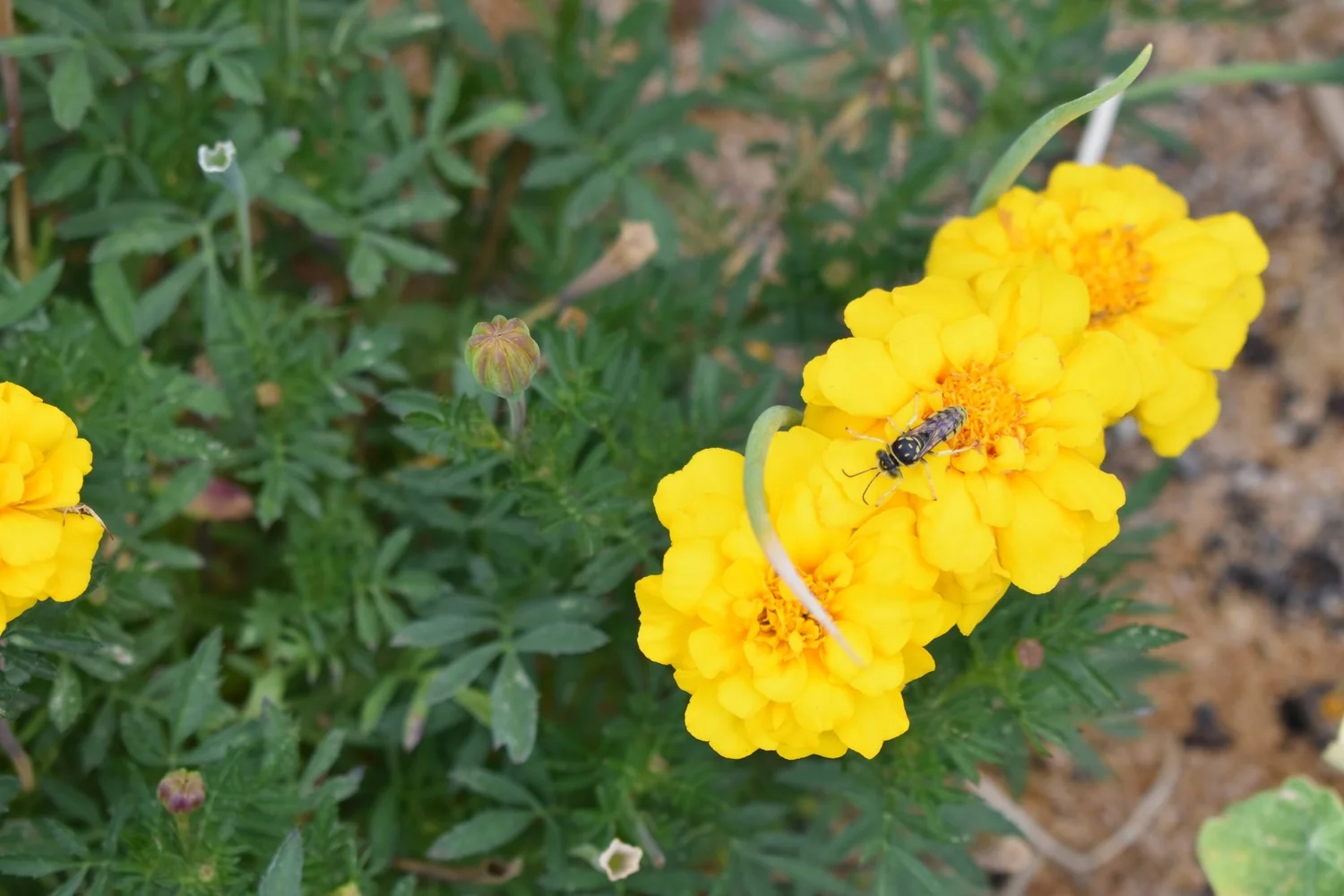
Why People Believe This
Fear of bee stings is understandable, especially if you have been stung before or have a family member with allergies. When people see buzzing insects near their tomatoes or squash, the instinct is to reach for the spray can. The problem is that this fear lumps thousands of gentle, essential species together with the occasional aggressive wasp. And it ignores the fact that without bees, most of your garden would not produce fruit.
What the Research Says
UC Berkeley's Urban Bee Lab reports about 1,600 native bee species statewide and studies their diversity, abundance, and plant preferences. Bee behavior and sting capability vary by species and sex, so that species count should not be read as a blanket claim that every native bee is harmless. Give foraging bees space and avoid handling or trapping them against skin.
UC ANR emphasizes that bees pollinate approximately 75% of flowering plants and about one-third of food crops. In Santa Cruz County, native bees are critical pollinators for backyard fruit trees, squash, beans, tomatoes, and strawberries. Without them, you would need to hand-pollinate, which is tedious and far less effective. A study of Yolo County watermelon fields co-authored by a UC Davis entomologist found that on organic farms near natural habitat, native bee communities alone could fully pollinate the crop without managed honey bees, while farms farther from habitat got far less from native bees.
What to Do Instead
Welcome bees into your garden by providing diverse flowering plants throughout the year. Leave small patches of bare soil for ground-nesting bees (about 70% of native California bees nest underground). Provide hollow stems or bee houses for cavity-nesting species. Most importantly, avoid spraying pesticides on open flowers. If you or a family member has a serious bee allergy, work with an allergist on a personal safety plan rather than eliminating bees from your landscape.
This week: Walk through your garden and observe which insects are visiting your flowers. Try to identify at least one native bee species using the UC Berkeley Urban Bee Lab's online guide.
For more on supporting pollinators, check out our free Garden Planning Guide at Your Garden Toolkit.
Keep Reading
Attracting Native Bees to Your California Garden
Why Pollinators Matter for Your Vegetable Garden
Protecting Pollinators While Managing Pests
Frequently Asked Questions
Do all bees sting?
No. Most bee species are docile or cannot sting at all, and male bees lack stingers entirely. Gentle natives like sweat bees, mason bees, and mining bees rarely sting unless they are physically trapped against your skin.
Why are native bees so important to my garden?
Bees pollinate roughly three quarters of flowering plants and about a third of food crops, and native bees provide about half of California's pollination services. They are essential for backyard squash, beans, tomatoes, strawberries, and fruit trees.
How can I support bees in my yard?
Plant a diversity of flowers that bloom across the seasons, leave some bare patches of soil for ground nesting species, and avoid spraying pesticides on open flowers. If you have a serious allergy, talk with an allergist rather than trying to eliminate bees from your landscape.
