

Chicken Wire vs. Hardware Cloth for Gophers
A few of the product links in this guide are affiliate links. If you buy through one, Ambitious Harvest may earn a small commission at no extra cost to you, which helps keep these guides free. We only point to gear we would use in our own Santa Cruz garden. As an Amazon Associate, we earn from qualifying purchases. Read our full disclosure.
Hardware cloth wins this one decisively. Chicken wire has openings of 1 to 2 inches, which gophers chew through or simply squeeze past. Hardware cloth (1/2-inch galvanized mesh) is the material recommended by the UC Integrated Pest Management Program for lining raised beds and planting baskets because gophers cannot fit through or gnaw the heavier gauge wire. In Santa Cruz County, where pocket gophers are the single most destructive garden pest, this is not a place to cut corners.
When to Choose Chicken Wire
Chicken wire still has a place in the garden, just not underground. It works well for building lightweight cloches to protect seedlings from birds, wrapping tree trunks to deter deer rubbing, and fencing off areas where you need a visual barrier rather than true exclusion. It is inexpensive, easy to work with, and flexible enough to form into cages.
If your only pest concern is rabbits (which are less common in Santa Cruz than gophers), chicken wire with 1-inch hex mesh buried 6 inches deep may be sufficient. But for anything that digs and chews, it falls short.
When to Choose Hardware Cloth
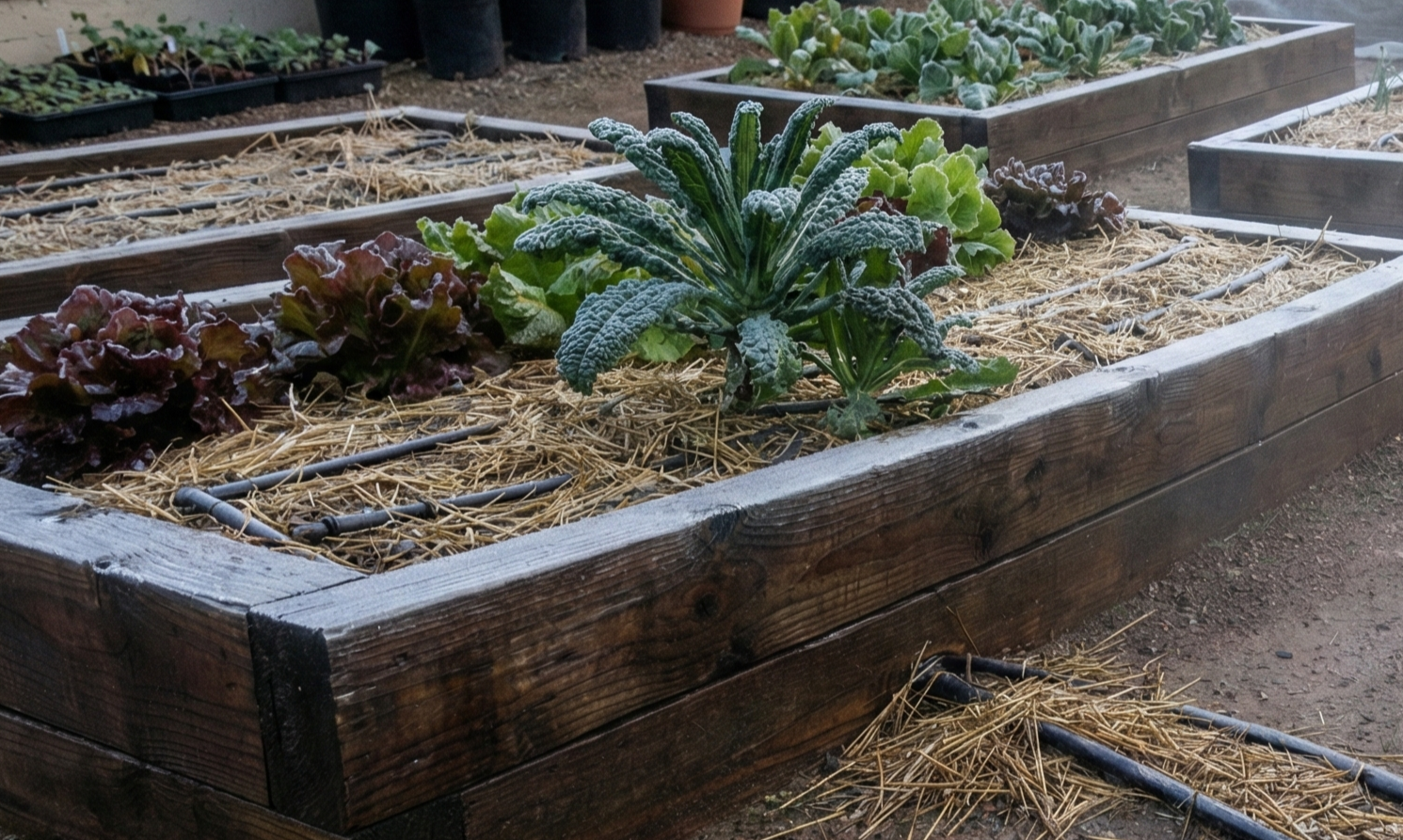
Any time gophers are on your property, hardware cloth is the answer. Use 1/2-inch, 19-gauge galvanized hardware cloth for lining the bottom of raised beds before filling with soil. For individual trees or shrubs, form gopher baskets by shaping hardware cloth into an open-topped bowl at least 15 inches deep and wide enough for the root ball to grow for several years.
In Santa Cruz, where heavy clay soil keeps gophers active year-round, the upfront cost of hardware cloth pays for itself with the first fruit tree it saves. For extra longevity in our wet winter soil, look for hot-dipped galvanized rather than electro-galvanized mesh.
The Bottom Line for Santa Cruz Gardeners
Do not waste money on chicken wire for gopher control. Invest in 1/2-inch galvanized hardware cloth and line every raised bed and planting hole from the start. In Santa Cruz County, gophers are not a possibility; they are a certainty. The $30 to $60 you spend now will prevent the heartbreak of losing a mature tomato plant or young fruit tree overnight.
This week: Before you plant anything new, cut a piece of 1/2-inch hardware cloth to fit the bottom of your raised bed and secure it with staples or screws to the frame.
For more on building productive raised beds, check out our free Raised Bed Planning Guide at Your Garden Toolkit.
Keep Reading
- Raised Beds vs. In-Ground Gardens
- Gopher Baskets vs. Raised Beds: Which Keeps Rodents Out?
- Grafted vs. Own-Root Fruit Trees
- Cover Crops vs. Mulch
Frequently Asked Questions
Can gophers get through chicken wire?
Yes. Chicken wire has one to two inch openings that gophers can chew through or squeeze past, so it does not stop burrowing pests. Half-inch galvanized hardware cloth is the dependable choice underground.
Does chicken wire still have a place in the garden?
It does for above-ground jobs like lightweight seedling covers, protecting tree trunks from deer, and simple visual barriers. It is inexpensive and flexible, just not built for digging pests.
How should I line a raised bed to keep gophers out?
Line the bottom with half-inch, 19-gauge galvanized hardware cloth before adding soil, and for individual plants shape it into baskets at least 15 inches deep and wide. In our area gophers are a near certainty, so this upfront step is well worth it.
