
Growing Beets and Root Vegetables: Direct Seed for a Fall and Winter Harvest
Root vegetables are some of the most rewarding crops for California gardeners, especially in the cooler months when many summer crops have finished. Beets, turnips, and radishes can all be direct-seeded into your garden beds in late summer and fall, then harvested through winter and into early spring. They take up minimal space, tolerate light frost (which actually improves their sweetness), and give you both roots and edible greens from a single planting.
The key to success with root vegetables is direct sowing. These crops develop taproots that do not transplant well, so skip the seed trays and plant them right where they will grow. Loose, well-amended soil free of rocks and clumps is essential. If your soil is heavy clay, work in compost to a depth of at least 8 to 10 inches, or grow in raised beds where you control the soil structure.
Best Varieties for Santa Cruz County
Beets: Detroit Dark Red is the reliable standard with deep red roots and excellent flavor. Chioggia (the candy-stripe beet) adds visual interest to salads when sliced raw. Golden beets are milder in flavor, do not stain like red varieties, and grow well in our coastal conditions.
Turnips: Hakurei (a Japanese salad turnip) is mild enough to eat raw and matures in just 35 to 40 days. Purple Top White Globe is a classic storage variety that handles cool weather beautifully.
Radishes: Cherry Belle matures in as little as 25 days. French Breakfast is a slightly milder elongated variety. For a winter crop, try Watermelon Radish, which takes 50 to 60 days but produces stunning pink-centered roots.
Planting and Growing Tips
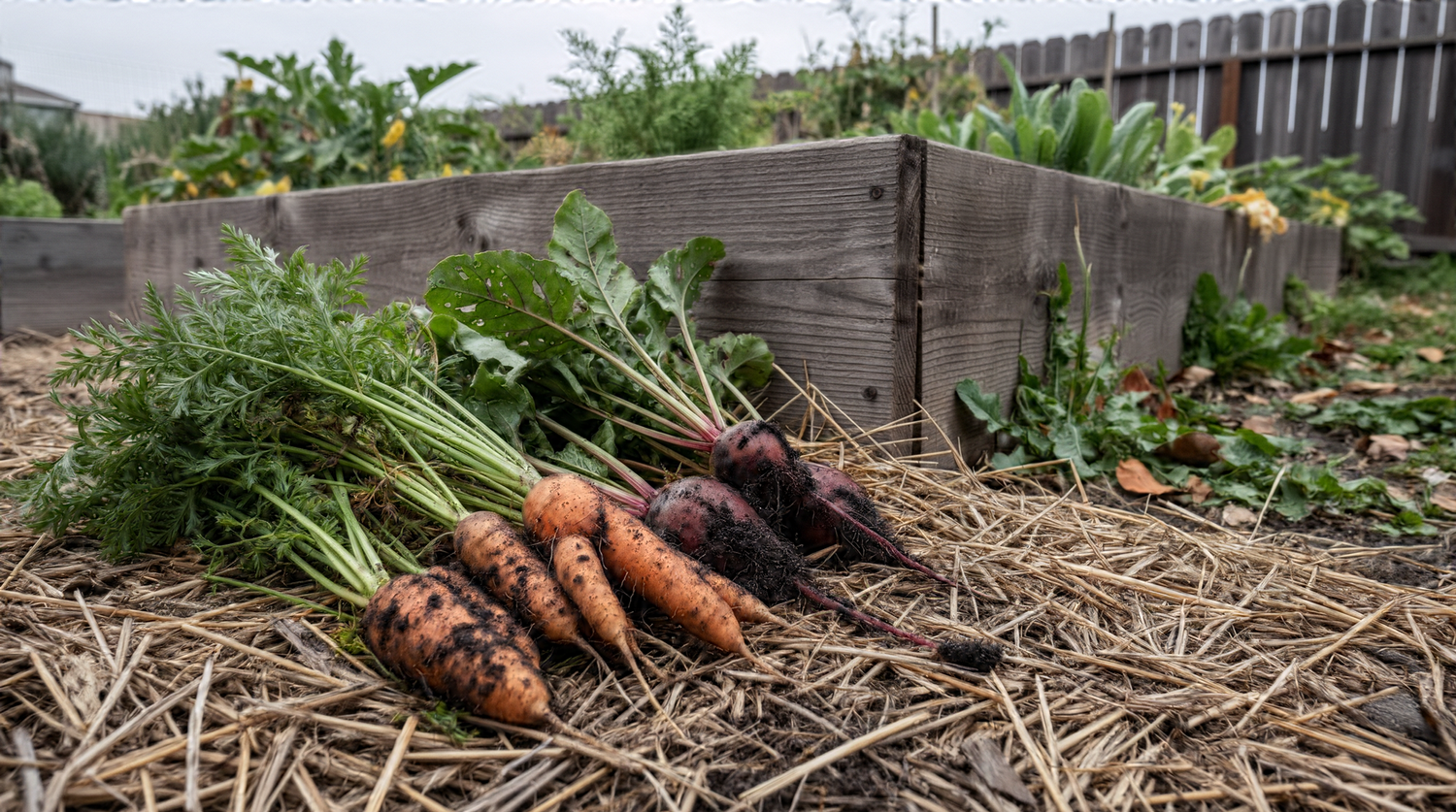
Sow beet seeds about 1 inch apart and half an inch deep, then thin to 3 to 4 inches apart once seedlings are a couple of inches tall. Each beet "seed" is actually a cluster containing multiple seeds, so thinning is not optional. Use the thinnings as microgreens in salads. For turnips and radishes, thin to 2 to 3 inches apart. Carrots need the finest soil preparation of any root crop and should be thinned to 2 inches apart.
Keep the soil consistently moist during germination, which can take 7 to 14 days for beets and up to 3 weeks for carrots. A thin layer of vermiculite or fine compost over the seeds helps retain moisture without forming a crust. Once established, water deeply once or twice a week rather than frequent light watering, which encourages shallow roots.
For a continuous harvest, succession plant every 2 to 3 weeks rather than sowing everything at once. In coastal Santa Cruz, you can plant beets and radishes nearly year-round. Inland and mountain gardeners should focus on spring and fall plantings, avoiding the hottest summer months when beets become woody and radishes turn pithy and bitter.
Harvesting and Storage
Pull beets when they are 2 to 3 inches in diameter for the best texture and sweetness. Larger beets become tough and fibrous. Twist off the greens (do not cut) leaving about an inch of stem to prevent bleeding during cooking. Beets store well in the refrigerator for 2 to 3 weeks, or leave them in the ground and harvest as needed through winter. A light frost or two will concentrate their sugars.