

Are Beer Traps Really the Best Slug Control?
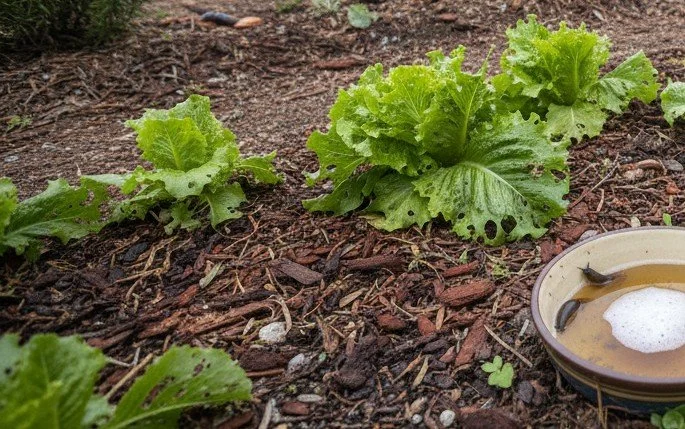
Beer traps can catch slugs, but they are not a complete control plan. Keep one if it is useful and you can maintain it. You do not need to replace it automatically with pesticide bait.
A cup full of slugs is a visible result. The more useful result is a row of seedlings that still has its leaves the next morning. In a damp Santa Cruz garden, watch those plants as closely as you watch the trap.
What a beer trap can do
UC IPM describes beer traps as attracting slugs and snails from only a few feet away. They need checking and replenishing to keep working. That limited reach does not support a claim that a trap draws an invading population from across the neighborhood.
Oregon State Extension includes beer traps among several garden-control methods. Fermentation odors attract the pests; the liquid catches those that enter. If you use a trap, check it daily, remove the catch, replenish as needed, and prevent pets from accessing the beer. Do not leave an open cup where an animal can drink it.
Start with the damaged plants
Before changing tactics, confirm what is feeding. Look for slime trails and check plants after dark; holes alone can have other causes. Note which seedlings are losing new growth and where the damage is concentrated.
Then look nearby. Pots, loose boards, weeds, and damp debris can provide daytime shelter. Reduce unnecessary hiding places around vulnerable crops and adjust irrigation so surfaces do not stay wet longer than needed. Morning watering or a suitable drip system can help without depriving plants of water.
Hand removal or a shelter trap that you empty regularly may fit a small bed. Choose a routine you will actually repeat. Our Managing Slugs and Snails in Coastal Gardens covers the broader job. For another common remedy, see whether crushed eggshells deter slugs.
When bait is worth considering
If confirmed feeding continues to damage vulnerable plants, bait can be one part of the management program. It is not a replacement for checking shelter and moisture.
Choose a product currently labeled for the pest and the site, including the crop where applicable. Read its active ingredients and follow its directions for rate, placement, timing, and precautions. Use the label rate rather than guessing at a light scattering, and do not pile pellets into heaps.
The National Pesticide Information Center explains the risks of iron phosphate. Lower risk does not mean harmless: pets can become ill after eating bait. Keep products secured and prevent children and animals from accessing them as directed by the label. Different formulations can contain additional ingredients, so a familiar brand name is not enough.
For related decisions, read Organic Pest Control That Actually Works. Judge any treatment by its suitability and directions, not simply by an organic claim.
Frequently asked questions
Do beer traps reduce slug damage?
They can remove some pests, but their limited attraction area and maintenance needs matter. Compare fresh damage over time. A full trap does not show how many slugs remain or prove that the seedlings are protected.
Can a beer trap make the problem worse?
UC IPM describes local attraction, not a proven increase in the garden's overall slug population. Avoid judging the whole garden from trap counts alone. If plants keep losing leaves, reassess the other conditions rather than assuming you need more beer.
What works better than beer traps?
There is no universal winner. UC IPM recommends a combination of approaches. Match the effort to confirmed damage, maintain traps or hand removal, and consider a labeled bait when warranted. A product that is lower risk than metaldehyde still needs careful handling.
This week: inspect the affected bed after dark and choose one manageable change. Recheck the seedlings for fresh feeding before buying another remedy.
Find current planning resources in Your Garden Toolkit. Our disclosure policy explains how product links are handled across the site.
